Navigating the world of real estate transactions can often feel like a complex puzzle, especially when traditional financing routes present challenges. One increasingly popular solution that brings flexibility to both buyers and sellers is seller financing, and at its heart lies the crucial document known as a seller carry back note. If you’re exploring this option, understanding and utilizing a robust seller carry back note template is absolutely essential for a smooth and secure deal.
Seller financing, also referred to as owner financing, happens when the seller of a property acts as the lender to the buyer. Instead of the buyer obtaining a mortgage from a bank or credit union, they make payments directly to the seller over an agreed-upon period. This arrangement can open up opportunities for buyers who might struggle with conventional loan approvals and offers distinct advantages for sellers too.
For both parties, having a clear, legally sound, and comprehensive document is paramount. This note outlines the terms of the loan, ensuring that all expectations are clearly defined and legally binding. It serves as a roadmap for the financial relationship between buyer and seller, protecting the interests of everyone involved throughout the loan’s duration.
Understanding the Anatomy of a Seller Carry Back Note
A seller carry back note is essentially a promissory note that details the promise made by the buyer to pay the seller a specific sum of money, under specific terms. It’s a formal agreement, often secured by the property itself through a deed of trust or mortgage, making it a powerful tool in real estate transactions. This type of financing is frequently used when buyers have good credit but perhaps lack a sufficient down payment for traditional loans, or when properties are unique and harder to finance through conventional lenders.
The scenarios in which a seller carry back note proves invaluable are diverse. Perhaps a seller wants to close a deal quickly, or they want to spread out capital gains taxes over several years. For buyers, it might be the only path to homeownership if they are self-employed, have a non-traditional income, or simply prefer more flexible terms than those offered by large financial institutions.
Because this document creates a legally binding obligation, its contents must be meticulously crafted. It’s not just a casual agreement; it’s a formal loan document that will be referenced for payments, potential defaults, and ultimately, the full repayment of the loan. A well-constructed template ensures that no critical details are overlooked, safeguarding both the buyer’s payment schedule and the seller’s investment.
Key Elements You’ll Find in a Robust Template
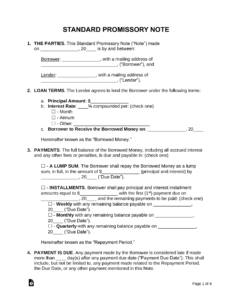
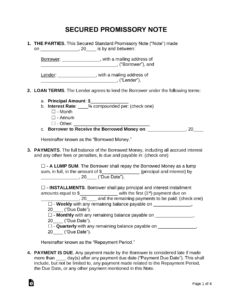
Every effective seller carry back note template will include several fundamental components that define the terms of the loan. Firstly, it will clearly identify the parties involved: the borrower (buyer) and the lender (seller), including their full legal names and addresses. This sets the stage for who is responsible for what.
Next, the principal amount of the loan, which is the portion of the purchase price the seller is financing, must be explicitly stated. Alongside this, the interest rate, whether fixed or adjustable, is a critical component, dictating how much extra the buyer will pay over the life of the loan. The payment schedule, including the frequency of payments (monthly, quarterly), the due date, and the amount of each payment, is also precisely laid out.
The term of the loan, or the period over which the loan will be repaid, along with the maturity date, which is when the entire loan balance is due, are other essential details. Some notes might include a balloon payment clause, meaning a large lump sum payment is due at the end of the term.
Furthermore, a comprehensive template addresses what happens in case of late payments. This includes late payment penalties and grace periods. More importantly, it outlines default clauses, specifying what constitutes a default (e.g., missed payments, failure to maintain insurance) and the remedies available to the seller, such as the ability to accelerate the loan or initiate foreclosure proceedings.
Finally, details about how the loan is secured, typically through a deed of trust or mortgage on the property, are crucial. Prepayment options, allowing the buyer to pay off the loan early without penalty, and clauses regarding property taxes and insurance responsibilities, often managed through an escrow account, complete the robust framework of a reliable seller carry back note template. The governing law of the state where the property is located is also specified, ensuring legal enforceability.
Weighing the Advantages and Potential Pitfalls of Seller Financing
Seller financing, facilitated by a well-structured note, presents a unique set of advantages for both sides of a real estate transaction. For sellers, it can significantly broaden the pool of potential buyers, making a property more attractive, especially in a tight credit market. It can also lead to a faster sale and potentially a higher selling price, as the seller might be willing to offer more flexible terms in exchange for a premium. Furthermore, sellers can enjoy a steady stream of passive income from the interest payments and may benefit from certain tax deferral strategies by spreading out the capital gains over several years.
Buyers, on the other hand, often find seller financing to be a lifeline. It can offer an easier path to property ownership, particularly for those who do not qualify for traditional bank loans due to credit history, self-employment, or other unique financial situations. The qualification process is typically less stringent and faster than with conventional lenders. Buyers can also benefit from more flexible down payment options, interest rates, and loan terms, which can be negotiated directly with the seller, potentially leading to lower closing costs.
- For Sellers: Attracts a wider range of buyers.
- For Sellers: Potential for a higher sales price and recurring interest income.
- For Buyers: Easier qualification and quicker closing process.
- For Buyers: Potentially more flexible terms and lower closing costs.
However, it’s important to approach seller financing with caution and a clear understanding of the risks. For sellers, the primary concern is the risk of buyer default. If the buyer stops making payments, the seller must undertake the potentially costly and time-consuming process of foreclosure to regain ownership of the property. For buyers, while the terms can be flexible, they might sometimes face higher interest rates compared to traditional mortgages, and the terms may not always be as favorable without careful negotiation.
Ultimately, a carefully prepared seller carry back note is the cornerstone of a successful seller financing arrangement. It provides clarity, outlines obligations, and protects the interests of all parties involved, ensuring that the agreement is legally sound and understood. Customizing a template to fit the specific needs of your transaction and obtaining professional legal advice is always a wise step to navigate the nuances of real estate law and secure your investment.
By diligently crafting this crucial document, both buyers and sellers can move forward with confidence, knowing their financial agreement is clearly defined and enforceable. This approach allows for creative and flexible solutions in the dynamic real estate market, fostering successful transactions that might otherwise be out of reach.