Navigating the world of financial agreements can often feel like a complex puzzle, especially when you’re looking for solutions that offer both flexibility and foresight. Whether you’re planning for your estate, structuring a family loan, or arranging the sale of a business, the standard promissory note might not always provide the specific provisions you need for unique circumstances. You might be seeking a way to ensure a debt gracefully extinguishes under certain conditions, providing peace of mind for all parties involved.
This is where a specialized instrument like a self cancelling installment note comes into play. It’s a remarkably clever tool designed to address very particular scenarios, offering a structured way to manage debt repayment while incorporating a built-in “expiration date.” If you’re looking for a reliable self cancelling installment note template, understanding its core mechanics and legal implications is the crucial first step.
Such a note is far more than just a simple promise to pay; it’s a strategic financial document with significant implications for estate planning and tax considerations. It allows for a debt to automatically disappear upon the occurrence of a specified event, most commonly the death of the lender. This built-in feature makes it a powerful asset for those looking to manage future financial obligations with precision and forethought.
What Exactly Is a Self Cancelling Installment Note and How Does It Work?
At its heart, a Self Cancelling Installment Note, often abbreviated as SCIN, is a promissory note that includes a special provision: the remaining balance of the debt is automatically canceled or extinguished upon the occurrence of a specific event. The most common triggering event is the death of the seller or lender. This unique characteristic differentiates it significantly from a standard installment note, which would typically become an asset of the lender’s estate and be subject to probate upon their passing.
The underlying principle behind a SCIN is that the cancellation feature is a part of the original terms of the agreement. This isn’t a post-mortem decision; it’s a pre-planned condition. Because of this inherent risk to the lender – the possibility that they might die before the note is fully repaid, leading to the cancellation of the remaining debt – the note typically includes a “risk premium.” This premium usually manifests as a higher interest rate or a higher principal amount compared to a conventional note for a similar transaction.
This risk premium is a critical element, not just for fairness between the parties, but also for the note’s validity in the eyes of tax authorities. The Internal Revenue Service (IRS) scrutinizes SCINs closely, and the presence of a genuine risk premium demonstrates that the cancellation provision is a legitimate, arms-length part of the deal, rather than a disguised gift or an attempt to avoid estate taxes. The premium compensates the lender for the risk of receiving less than the full principal and interest originally agreed upon.
For a SCIN to be valid and achieve its intended estate planning benefits, several key components must be explicitly and clearly included in the document. Without these, the note risks being recharacterized by the IRS, potentially negating its benefits.
Key Components of a Valid SCIN
- A clear statement that the debt cancels automatically upon a specific event, such as the seller’s death, and this cancellation is an integral part of the original note.
- A verifiable “risk premium” built into the note, reflecting compensation to the seller for the risk of cancellation. This is usually reflected in a higher interest rate or a higher selling price.
- The seller’s life expectancy must be genuinely uncertain at the time the note is created, meaning the seller should not be terminally ill or have a significantly reduced life expectancy beyond standard actuarial tables.
- The cancellation provision must be unambiguous and legally enforceable under relevant state law, not merely an informal understanding between the parties.
This instrument is particularly popular in intra-family transactions or the sale of a business where the seller wishes to transfer assets to family members or employees without burdening them with an ongoing debt obligation to the estate. It can effectively reduce the value of the seller’s taxable estate, potentially bypassing probate for that specific asset, while still providing an income stream during their lifetime.
Finding and Customizing a Self Cancelling Installment Note Template
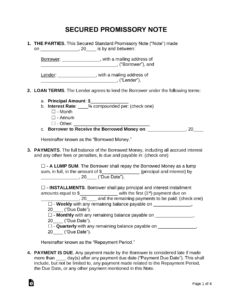
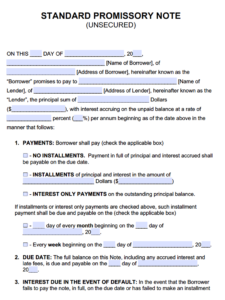
When it comes to implementing a financial tool as specific and legally nuanced as a SCIN, relying on a well-drafted self cancelling installment note template is an excellent starting point. These templates provide the foundational language and structure that legal professionals typically use, ensuring that essential clauses and provisions are not overlooked. However, it is crucial to remember that a template is just that – a starting point – and not a substitute for tailored legal advice.
You can often find such templates through legal document providers, reputable online legal resource platforms, or by consulting with an attorney specializing in estate planning and business law. The key is to select a template that is comprehensive and flexible enough to be adapted to your specific situation. Look for templates that clearly outline installment schedules, interest calculations, default provisions, and, most importantly, the exact wording of the self-cancellation clause and the risk premium justification.
Once you have a suitable self cancelling installment note template, the customization phase is vital. This involves inputting the specific details of your transaction, such as the principal amount, interest rate, repayment schedule, the identity of the borrower and lender, and the precise triggering event for cancellation. While the template offers the framework, you’ll need to fill in the unique economic terms and ensure that the language aligns with the particular circumstances and applicable state laws.
Ultimately, while a template provides a robust foundation, the complexity and significant implications of a SCIN necessitate careful consideration and often the guidance of legal and tax professionals. They can help you navigate the nuances, ensure compliance with IRS regulations, and tailor the note to perfectly fit your objectives, protecting both the lender and the borrower.
A self cancelling installment note represents a sophisticated approach to debt management and estate planning, offering a unique blend of financial strategy and foresight. It allows individuals to structure transactions with an eye toward future events, providing clarity and potential tax advantages, especially within family contexts or business succession plans. The ability for a debt to extinguish automatically under predefined conditions can offer considerable peace of mind and simplify estate administration.
However, the effectiveness and legal validity of such a note hinge entirely on its meticulous drafting and adherence to specific legal and tax requirements. Without careful attention to detail, particularly regarding the risk premium and the genuine uncertainty of the cancellation event, the intended benefits could be compromised. Therefore, while exploring this powerful financial instrument, ensure you consult with experienced professionals who can guide you through its intricacies and help you craft a document that perfectly aligns with your objectives and stands up to scrutiny.