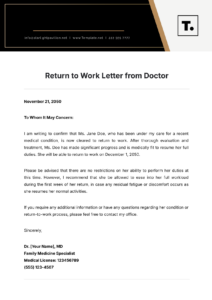
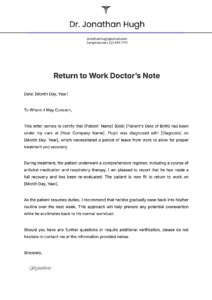
When you’re feeling under the weather and need to take a day or two off work, understanding the proper procedure is crucial for both you and your employer. For short-term illnesses, typically lasting up to seven days, a doctor’s note isn’t always required. This is where a self certification sick note template becomes an invaluable tool, allowing you to formally inform your workplace about your absence due to sickness without needing a medical appointment. It’s a straightforward process designed to streamline communication and ensure proper record-keeping.
This system is in place to make things easier for everyone involved. For employees, it means not having to rush to a doctor for a minor ailment like a cold or a headache, which might not even warrant medical attention. For employers, it provides a standardized way to track absences and ensures compliance with statutory sick pay regulations, all while reducing the administrative burden on healthcare professionals.
Navigating sick leave can sometimes feel complicated, but with a clear understanding of self-certification, you can manage your time off responsibly and efficiently. It’s about being transparent with your employer while respecting the guidelines set out for short-term illness. This approach fosters trust and ensures that you can focus on your recovery without unnecessary stress about workplace formalities.
Understanding Self-Certification for Sickness Absence
Self-certification is a formal declaration by an employee that they have been absent from work due to illness. In most countries, particularly the UK, employees can self-certify their sickness absence for periods of up to seven calendar days. This means that for the first week of being unwell, you don’t typically need to provide medical evidence, such as a doctor’s “fit note” (formerly known as a sick note). Instead, you simply complete a form provided by your employer, or a generic self-certification form, detailing the reasons for your absence.
The purpose of this system is multi-faceted. Primarily, it’s designed to alleviate pressure on healthcare services, preventing people from seeking doctor’s appointments for minor illnesses that will resolve on their own. It also empowers employees to manage their short-term health needs responsibly, trusting their judgment about when they are genuinely too ill to work. For employers, it provides a consistent method for recording absences, which is essential for HR and payroll purposes, especially when calculating statutory sick pay (SSP).
When you self-certify, you’re essentially signing a declaration stating that you were unfit for work due to sickness for the specified period. This declaration includes details such as the dates you were off, the general nature of your illness (e.g., flu-like symptoms, stomach upset), and your signature. It’s a formal document that forms part of your employment record, even if it doesn’t come from a medical professional.
Employers often have their own specific self-certification forms, which they will provide to you upon your return to work. These forms are usually tailored to their internal policies and may ask for specific details relevant to their HR processes. It’s always a good idea to check with your HR department or line manager about their preferred method and required documentation.
It is crucial to understand that while self-certification doesn’t require a doctor’s visit, it still necessitates honesty. Providing false information on a self-certification form can have serious consequences, potentially leading to disciplinary action. The system relies on mutual trust between the employee and the employer.
When Do You Need a Doctor’s Note Instead?
If your illness extends beyond seven calendar days, you will then be required to obtain a “fit note” from a doctor. This medical statement will explain that you are unfit for work and, if applicable, suggest ways your employer can support your return to work. The seven-day period includes weekends and bank holidays, so it’s important to count these days when assessing whether you need to see a doctor.
Sometimes, even for shorter absences, an employer might request a doctor’s note if they have specific concerns about an employee’s attendance or the nature of their illness. However, this is typically less common for standard self-certified periods and would usually be discussed directly with the employee. Adhering to these guidelines ensures you remain compliant with both your company’s policy and national regulations regarding sick leave.
How to Use a Self-Certification Sick Note Template Effectively
Using a self certification sick note template is quite straightforward, but applying it effectively involves a few key steps. First, ensure you obtain the correct template. Many employers provide their own versions, often found on their internal HR portals or available from your manager. If your employer doesn’t have a specific form, you can find generic templates online, including those provided by government health services. Once you have the template, fill it out clearly and accurately. This means stating the precise dates you were absent from work and providing a brief, honest description of your illness. There’s no need for overly graphic detail; simply stating “flu-like symptoms” or “stomach bug” is usually sufficient.
The main benefit of having a readily available template is that it streamlines the reporting process. You don’t have to worry about what information to include or how to phrase it; the template guides you. This saves time and ensures all necessary details are captured for your employer’s records, which is particularly important for statutory sick pay calculations and attendance management.
When completing your self certification sick note template, remember these critical points:
* Be prompt: Inform your employer as soon as possible about your absence, ideally on the first day.
* Be accurate: Fill in all details correctly, including dates of absence and the reason for sickness.
* Be truthful: Self-certification relies on your honesty regarding your condition and inability to work.
* Sign and submit: Ensure the form is signed and submitted according to your company’s policy, usually upon your return to work.
* Keep a copy: It’s always a good idea to retain a copy for your own records, especially if there are any future queries about your absence.
Understanding and correctly utilizing a self-certification process demonstrates professionalism and accountability. It ensures that your time off is properly documented and that you meet your responsibilities as an employee. This smooth interaction ultimately supports a positive working relationship and allows for a quicker, less stressful return to work once you’ve recovered.
Navigating short-term illness doesn’t have to be a complicated affair. The self-certification process offers a practical and efficient way for employees to report their absence and for employers to manage it effectively. By understanding the guidelines and utilizing available templates, individuals can ensure they comply with workplace policies while focusing on their recovery.
This system ultimately contributes to a healthier and more trusting work environment, where administrative burdens are minimized, and employees feel supported in taking the necessary time to recuperate from minor ailments. It’s a testament to modern HR practices that prioritize both employee well-being and operational efficiency.