Venturing into real estate or business transactions can often feel like navigating a complex maze, especially when traditional financing options aren’t the perfect fit. That’s where seller financing steps in, offering a flexible and often faster alternative for both buyers and sellers. It’s a direct agreement between the parties involved, cutting out the middleman banks and their often rigid requirements, which can be a huge relief for many.
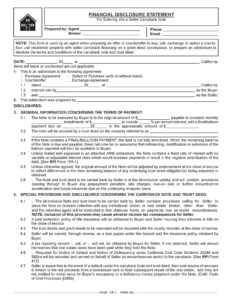
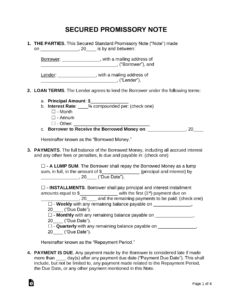
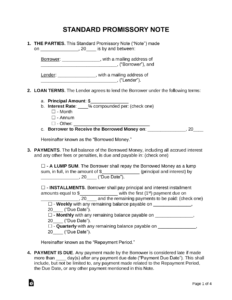
To make sure this agreement is legally sound and protects everyone’s interests, proper documentation is absolutely essential. This is where a well-crafted seller financing promissory note template becomes your best friend. It outlines the terms of the loan provided by the seller to the buyer, ensuring clarity and enforceability, and it’s the backbone of any successful seller-financed deal. Without it, you’re essentially operating on a handshake and a prayer, which is a recipe for potential disputes and headaches down the road.
This kind of note essentially formalizes the loan, detailing who owes what, how much, and when. It provides a clear roadmap for repayment and offers a sense of security for both parties involved, making the transaction smoother and more trustworthy. Understanding its components and knowing how to use a template effectively can save you time, money, and a great deal of stress.
Understanding the Core Components of a Seller Financing Promissory Note
A promissory note, in its simplest form, is a written promise to pay a specified sum of money on a particular date or in installments. When it comes to seller financing, this document becomes the legal instrument that binds the buyer to repay the seller the agreed-upon amount for the property or business. It’s more than just a piece of paper; it’s a legally enforceable contract detailing the exact terms of the debt, providing crucial protection for the seller and clear expectations for the buyer. It’s the cornerstone that turns a verbal agreement into a concrete financial obligation.
Every good promissory note starts by clearly identifying the parties involved: the borrower (the buyer) and the lender (the seller). You’ll need their full legal names and addresses to ensure there’s no ambiguity about who is making the promise and to whom it is being made. This initial identification is fundamental, as it establishes the legal standing for the entire agreement. Without precise identification, enforcement could become a significant challenge.
Next up are the financial specifics, which are arguably the heart of the note. This includes the principal loan amount, which is the total sum the buyer owes the seller. Crucially, it also details the interest rate that will be applied to this principal, and whether it’s a fixed rate for the duration of the loan or an adjustable one. Equally important is the payment schedule, outlining how frequently payments are due (e.g., monthly, quarterly), the exact due dates, and the amount of each payment. This section leaves no room for guesswork regarding the financial obligations.
For the seller, security is paramount. This is often addressed through collateral. In most seller financing scenarios, the property or business being sold itself serves as collateral, meaning if the buyer defaults on their payments, the seller has the right to repossess it. The note will specify the details of this collateral and how the lien is secured, typically through a mortgage or deed of trust that is recorded with the appropriate authorities. This greatly reduces the seller’s risk.
It’s also vital to include clauses that address potential issues, such as what happens if a payment is late (late fees), if the borrower defaults on the loan entirely, or if the borrower wishes to pay off the loan early (prepayment penalties or lack thereof). These clauses provide a framework for handling various eventualities, protecting both parties and offering clear recourse if the terms aren’t met. A comprehensive note anticipates problems and outlines solutions upfront.
Essential Elements to Look For
Why a Template is Your Best Friend
When you’re dealing with the complexities of seller financing, starting from scratch to draft a legal document can be daunting and incredibly time-consuming. This is precisely where a high-quality seller financing promissory note template truly shines. It provides a robust framework, ensuring that all the critical legal and financial clauses are considered and included, saving you hours of research and drafting. Think of it as a well-organized checklist that guides you through the process, preventing oversights that could prove costly later on.
While a template offers a fantastic starting point, it’s crucial to remember that it’s a generic document. Every transaction has its unique nuances, and your specific agreement will need customization to reflect those details accurately. This means filling in all the blanks with your specific terms – the loan amount, interest rate, payment schedule, and any special conditions you and the other party have agreed upon. The template ensures you don’t miss any standard elements, but your personal touch makes it truly applicable to your situation.
Ultimately, using a well-structured template simplifies the initial drafting process significantly. It helps ensure that your seller financing promissory note template is comprehensive and includes the necessary legal language. However, once you’ve tailored it to your specific deal, it’s always a wise move to have a legal professional review the document. They can spot any potential issues, ensure compliance with local laws, and guarantee that your interests are fully protected, providing peace of mind for everyone involved.
Embarking on a seller financing journey can be a game-changer for many, offering flexibility and opportunities that traditional routes might not. However, the success and security of such a deal hinge entirely on the strength and clarity of your documentation. A meticulously prepared promissory note acts as your shield, clearly defining the obligations and rights of both buyer and seller, turning potential confusion into absolute certainty.
By understanding the key components and utilizing a reliable template as your starting point, you’re well on your way to a secure transaction. Remember, an ounce of prevention is worth a pound of cure, especially when it comes to financial agreements. Taking the time to properly document your arrangement ensures a smooth process and protects your investment for years to come.