In the demanding world of athletic training, thorough and consistent documentation isn’t just a good practice; it’s absolutely crucial. Every interaction, every assessment, and every treatment plan needs to be meticulously recorded to ensure continuity of care, protect practitioners legally, and ultimately, facilitate the best possible outcomes for athletes. Imagine trying to track an athlete’s recovery over weeks or months without a clear, standardized record of their progress and interventions—it would be a chaotic and inefficient process, potentially compromising their health.
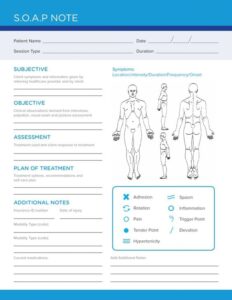
This is where the SOAP note format steps in as the gold standard for healthcare documentation, and having a reliable athletic training soap note template can be a game-changer. It provides a structured yet flexible framework that guides athletic trainers through the essential components of patient assessment and planning, making sure no critical detail is overlooked. From the moment an athlete reports an injury to their final return to play, a well-executed SOAP note captures the evolving picture of their health journey.
So, if you’re looking to streamline your documentation, enhance communication with other healthcare providers, and elevate the quality of care you provide, understanding and utilizing a robust SOAP note template is a fundamental step. Let’s dive into the core components and discover how they can empower your daily practice.
Unpacking the SOAP Note Components for Athletic Trainers
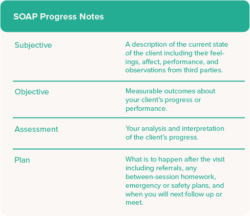
The SOAP note structure is elegantly simple yet incredibly powerful, breaking down complex clinical encounters into four distinct, logical sections: Subjective, Objective, Assessment, and Plan. Each section serves a unique purpose, contributing to a comprehensive record that tells a complete story of the athlete’s condition and your professional response to it.
Subjective “S” – The Patient’s Story
The “S” section is all about what the athlete tells you. It’s their narrative, their perception of the injury or condition. This is where you document their chief complaint, how the injury occurred, the location and quality of their pain, and any other symptoms they report. Capturing the athlete’s own words is vital, as it often provides crucial insights that objective tests might not reveal.
- Patient’s chief complaint in their own words
- Mechanism of injury or onset of symptoms
- Current symptoms including pain rating, quality, location, and radiation
- Aggravating and alleviating factors
- Relevant past medical history, previous injuries, and family history
- Social history including activity level, sport, and current goals
- Review of systems if relevant to the condition
Objective “O” – Your Clinical Findings
Following the athlete’s story, the “O” section is where you document all the measurable and observable information. This includes findings from your physical examination, special tests, and any objective data you collect. This section should be factual and reproducible, allowing another clinician to understand the athlete’s physical status at the time of the examination without ambiguity.
- Observation: Posture, gait, swelling, discoloration, deformities
- Palpation: Tenderness, warmth, crepitus, muscle spasm
- Range of motion: Active, passive, and resistive in all relevant planes
- Strength testing: Manual muscle testing grades
- Neurological testing: Dermatomes, myotomes, reflexes, sensation
- Special tests: Specific tests performed with results (positive/negative and description)
- Functional tests: Hop tests, balance tests, sport-specific movements
- Vital signs and other measurements: Blood pressure, heart rate, girth measurements
Assessment “A” – Your Professional Judgment
The “A” section is where you synthesize the information from the Subjective and Objective sections to form your clinical impression. This is your professional interpretation and diagnosis based on the evidence collected. It might include a primary diagnosis, differential diagnoses, a problem list, and an evaluation of the athlete’s progress toward their goals.
- Primary diagnosis based on S and O findings (e.g., Ankle Sprain Grade II)
- Differential diagnoses considered
- Problem list, if multiple issues are present
- Prognosis and current status (e.g., improving, worsening, stable)
- Impact of the injury on participation and daily activities
- Justification for the diagnosis drawing connections between S and O data
Plan “P” – The Road Ahead
Finally, the “P” section outlines the course of action you intend to take based on your assessment. This is your strategy for managing the athlete’s condition, including immediate interventions, therapeutic exercises, modalities, referrals, patient education, and follow-up plans. It should be clear, actionable, and align with the athlete’s goals.
- Treatment interventions: Therapeutic exercises, modalities, manual therapy
- Referrals: Physician, physical therapist, imaging studies, nutritionist
- Medications: Over-the-counter or prescribed by a physician
- Patient education: Home exercise program, activity modifications, warning signs
- Goals: Short-term and long-term, specific, measurable, achievable, relevant, time-bound
- Follow-up plan: Next visit schedule, criteria for re-evaluation, return to play progression
By diligently filling out each of these sections, an athletic trainer creates a comprehensive and easily digestible record. The interconnectedness of S, O, A, and P ensures that the documentation tells a coherent story, detailing not just what happened, but why, what was done, and what will happen next, which is invaluable for patient care.
Benefits of a Standardized SOAP Note Template
Utilizing a standardized SOAP note template brings a multitude of advantages to the athletic training setting. Firstly, it significantly boosts efficiency. Instead of wondering what information to include or how to structure it, the template provides clear prompts, guiding the athletic trainer through each essential step. This not only saves time during documentation but also ensures that all critical data points are consistently captured, leading to more complete and accurate records.
Beyond efficiency, a well-designed athletic training soap note template drastically improves communication among healthcare professionals. When every note follows the same format, other clinicians, physicians, or even legal entities can quickly grasp the athlete’s status, the interventions provided, and the ongoing plan. This clarity is paramount for coordinated care, legal protection in case of disputes, and facilitating insurance reimbursement, as payers often require structured documentation to justify services rendered.
Moreover, standardized templates aid in tracking an athlete’s progress over time, identifying trends, and refining treatment protocols. The consistency allows for easier comparison between visits, making it simpler to evaluate the effectiveness of interventions and adjust plans as needed. This systematic approach not only enhances the quality of individual patient care but also contributes to a larger body of data that can be used for quality improvement initiatives and even research within the athletic training profession.
Adopting a structured documentation method like the SOAP note is more than just a bureaucratic task; it’s a cornerstone of professional practice in athletic training. It solidifies the foundation for excellent patient care by ensuring that every detail, from the athlete’s subjective complaints to the objective findings and the subsequent treatment plan, is meticulously recorded and easily accessible.
Ultimately, a commitment to thorough and systematic documentation empowers athletic trainers to provide higher quality, more informed care. It supports critical decision-making, fosters clear communication within the healthcare team, and serves as a testament to the comprehensive and compassionate care provided to every athlete.