In the demanding world of behavioral health, effective documentation isn’t just a regulatory requirement; it’s a cornerstone of quality client care. Every session, every interaction, holds valuable information that contributes to a client’s journey towards well-being. Capturing these details accurately and efficiently ensures continuity of care, facilitates communication among providers, and supports sound clinical decision-making.
However, the process of documenting progress can often feel time-consuming, pulling practitioners away from direct client engagement. This is where a well-designed behavioral health progress note template becomes an invaluable asset. It provides a structured framework, guiding clinicians to capture all necessary information systematically, leading to clearer, more comprehensive records.
Utilizing a standardized template helps ensure that vital aspects of a client’s progress, interventions, and future plans are consistently addressed. It streamlines workflows, reduces the chances of oversight, and ultimately allows practitioners to focus more of their energy on what matters most: helping their clients thrive.
The Anatomy of an Effective Progress Note Template
Understanding what goes into a good progress note is the first step towards appreciating the power of a template. It’s not just about filling in blanks; it’s about telling a concise, yet comprehensive story of the client’s experience and the therapeutic process. A robust template acts as a guide, ensuring that every significant detail, from the client’s self-reported feelings to the therapist’s clinical observations and future plans, is consistently documented. This structured approach is fundamental for tracking progress over time and adapting treatment strategies as needed.
Key Components of a Standard Progress Note
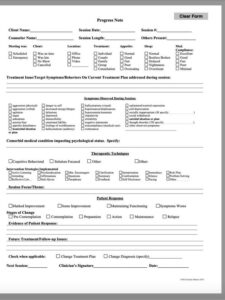
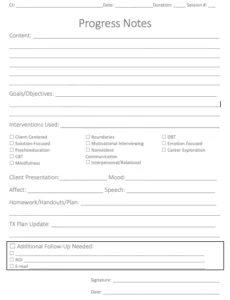
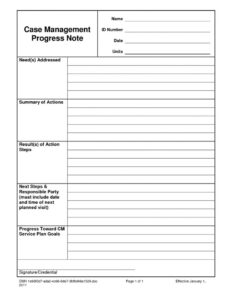
While specific formats like SOAP (Subjective, Objective, Assessment, Plan), BIRP (Behavior, Intervention, Response, Plan), or DAP (Data, Assessment, Plan) notes vary, they all aim to capture a similar set of crucial information. A comprehensive behavioral health progress note template will typically include:
- Client Information: Date, time, client identifier, and therapist name to ensure proper attribution and context.
- Subjective: The client’s self-report, their chief complaints, feelings, symptoms, and their perception of their progress or challenges since the last session. This section captures the client’s voice directly.
- Objective: The therapist’s direct observations during the session. This might include the client’s appearance, affect, mood, behavior, level of engagement, and any observable responses to interventions.
- Assessment: The clinician’s professional analysis, integrating subjective and objective data. This includes an updated clinical formulation, progress toward treatment goals, any changes in diagnosis, and an analysis of presenting problems.
- Interventions: Specific therapeutic techniques or strategies employed during the session, along with the rationale for their use.
- Risk Assessment: Any discussion or assessment regarding safety concerns, such as suicidal or homicidal ideation, self-harm, or other high-risk behaviors.
- Plan: Outlining the next steps, including homework assignments, agreed-upon actions, medication adjustments, follow-up appointments, and any adjustments to the overall treatment plan or discharge considerations.
The “Subjective” section gives voice to the client, capturing their lived experience and perspective, which is crucial for person-centered care. It allows for direct quotes or summaries of what the client expressed, reflecting their current state and concerns. This contrasts with the “Objective” data, which relies on the clinician’s trained eye and ear to document observable behaviors and non-verbal cues. For instance, a client might report feeling “much better” (subjective), but the therapist observes slumped posture and hesitant speech (objective), prompting further inquiry.
The “Assessment” phase is where clinical expertise truly shines. Here, the therapist synthesizes the subjective and objective information, interpreting it within the context of the client’s history, diagnosis, and treatment goals. It’s an opportunity to note patterns, evaluate the effectiveness of past interventions, and formulate an updated understanding of the client’s progress or stagnation. This section directly informs the strategic direction of therapy.
Finally, the “Plan” ensures forward momentum. It details the agreed-upon strategies for the period between sessions, reinforcing client agency and accountability. A well-articulated plan connects directly to the established treatment goals, making it clear how each step contributes to the client’s overall therapeutic journey. This structure ensures that every session builds upon the last, fostering consistent and goal-oriented care.The Unseen Advantages of Consistent Documentation
Beyond simply meeting regulatory demands, the consistent use of a standardized template for progress notes brings a cascade of benefits that profoundly impact both the practitioner and the client. One of the most immediate advantages is the significant boost in efficiency. Imagine the time saved when you’re not constantly reinventing the wheel for each note, but rather quickly navigating a familiar structure. This streamlined process allows clinicians to complete documentation more quickly, freeing up valuable time that can be redirected toward client care or professional development.
Furthermore, a well-structured template inherently improves the quality of clinical communication. When all providers, whether within the same agency or across different disciplines, are using a consistent format, notes become easier to read, understand, and extract key information from. This clarity is paramount for multidisciplinary teams collaborating on a client’s care, ensuring everyone is on the same page regarding progress, challenges, and treatment strategies. It minimizes misinterpretations and fosters a cohesive approach to client support.
Crucially, adopting a standardized approach also strengthens professional accountability and adherence to ethical guidelines. It acts as a safeguard, ensuring that all necessary information is collected and that the reasoning behind clinical decisions is transparent and well-documented. This practice is invaluable not only for internal reviews and supervision but also in safeguarding against potential audits or legal inquiries. A robust behavioral health progress note template is therefore not just a tool for documentation but a strategic asset for ethical practice and superior client outcomes.
- Enhanced Clarity and Readability: Uniform structure makes notes easier to follow for anyone reviewing them.
- Facilitates Supervision and Peer Review: Provides clear data points for discussion and feedback, promoting professional growth.
- Supports Billing Accuracy: Detailed notes provide strong justification for services rendered, crucial for reimbursement.
- Promotes Goal-Oriented Treatment: Regularly documenting progress against goals keeps therapy focused and measurable.
Adopting a systematic approach to documentation, guided by a robust behavioral health progress note template, is more than just good practice; it’s a commitment to excellence in client care. It empowers practitioners to create clear, concise, and comprehensive records that illuminate the path of therapeutic progress, ensuring every step is thoughtfully considered and effectively communicated.
Ultimately, the goal is to enhance the therapeutic process, making it more impactful for clients while simultaneously supporting the clinical efficiency and professional integrity of the providers. This thoughtful approach to documentation lays a strong foundation for both individual client success and the overall quality of mental health services provided.