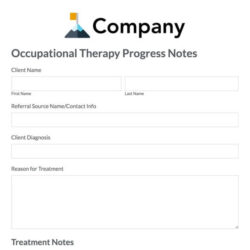
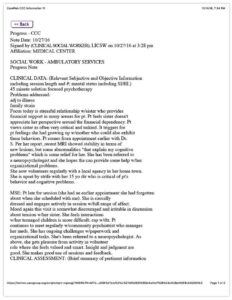
In the demanding world of physical therapy, accurate and efficient documentation isn’t just a regulatory requirement; it’s the backbone of effective patient care. Every session, every exercise, every observation contributes to a patient’s journey towards recovery, and capturing these details precisely ensures continuity, clear communication among healthcare providers, and justifies the necessity of your interventions. Without proper notes, it becomes incredibly challenging to track progress, make informed clinical decisions, or even get reimbursed for services.
This is where a robust physical therapy soap note template becomes an invaluable tool in your daily practice. It streamlines the documentation process, ensuring that all critical information is consistently recorded in a structured format. By standardizing your notes, you not only save precious time but also enhance the quality and clarity of your clinical records, making them easy to understand for anyone who needs to review them.
So, whether you are a seasoned physical therapist looking to refine your documentation process or a new graduate aiming for best practices from day one, understanding the components of a SOAP note and how a template can support your work is essential. We will explore each section of the SOAP note and then delve into the significant advantages a well-designed template brings to your clinic.
Understanding the Components of a Great SOAP Note
A SOAP note is a structured method for documenting patient information, standing for Subjective, Objective, Assessment, and Plan. Each section plays a crucial role in painting a complete picture of the patient’s condition, the treatment provided, and the next steps. Mastering each component ensures that your notes are comprehensive, logical, and defensible.
The “S” in SOAP refers to Subjective information. This is where you record everything the patient tells you about their condition, pain, symptoms, functional limitations, and how they are feeling since their last visit. It is often the most personal part of the note, capturing the patient’s voice and perspective directly.
S Subjective
This section is all about the patient’s narrative. It includes their chief complaint, current symptoms, pain levels, relevant medical history they report, and their response to previous treatments or home exercise programs. Remember to use quotes when documenting direct patient statements.
- Patient’s reported pain level (e.g., “My knee pain is a 6/10 today, which is better than yesterday’s 8/10”).
- Comments on functional limitations (e.g., “I’m still having trouble climbing stairs, especially going down”).
- Compliance with home exercises (e.g., “I did my exercises every day like you told me to”).
- Changes in symptoms since last session (e.g., “The stiffness in my neck feels worse in the mornings”).
- Medications taken and their perceived effect.
Next, we move to the “O” or Objective findings. This is where you document all the measurable, observable, and verifiable data collected during the session. It’s the evidence-based core of your note, detailing what you, as the therapist, observed and performed.
O Objective
This section includes all quantitative and qualitative data gathered through examination and intervention. This might involve vital signs, results from special tests, measurements, observations of posture and gait, and a detailed description of the therapeutic interventions performed during the session.
- Range of motion measurements (e.g., “L knee flexion increased from 100 degrees to 110 degrees”).
- Strength grades (e.g., “R shoulder abduction 4/5”).
- Palpation findings (e.g., “Mild tenderness noted at medial epicondyle”).
- Special test results (e.g., “Positive anterior drawer test for ACL laxity”).
- Interventions performed (e.g., “Performed 15 minutes of manual therapy to lumbar spine, followed by 3 sets of 10 repetitions of core stabilization exercises”).
- Patient’s response to interventions (e.g., “Patient tolerated exercises well with no increase in symptoms”).
Following the objective data, the “A” stands for Assessment. This is your professional interpretation of the subjective and objective findings. It’s where you synthesize the information, provide a clinical diagnosis or working hypothesis, discuss the patient’s progress, and explain the rationale for your treatment plan.
A Assessment
In this section, you will outline your clinical reasoning. This includes the patient’s current functional status, a summary of their progress (or lack thereof), your professional opinion on their prognosis, and how their current presentation correlates with their initial presentation and goals. This is also where you justify the need for continued physical therapy services.
Finally, the “P” represents the Plan. This section details the future course of action based on your assessment. It outlines specific interventions, treatment frequency, discharge planning, and any consultations or referrals.
P Plan
The plan should be clear, concise, and reflective of the patient’s ongoing needs and goals. It outlines the strategy for the next treatment session and beyond, providing a roadmap for continued care.
- Future interventions planned (e.g., “Continue with strengthening exercises, incorporate proprioceptive training”).
- Frequency and duration of future visits (e.g., “Continue PT 3x/week for 2 more weeks”).
- Home exercise program modifications or additions.
- Recommendations for referrals or consultations with other specialists.
- Goals for the next session or long-term goals.
- Discussion of discharge planning or patient education provided.
The Undeniable Benefits of Using a Physical Therapy SOAP Note Template
Implementing a physical therapy soap note template into your practice offers a multitude of advantages that extend beyond mere compliance. It fundamentally changes how efficiently and effectively you manage your patient documentation, ultimately leading to better patient outcomes and a more organized practice.
One of the most immediate benefits is the significant time savings. Instead of starting from scratch with each note, a template provides a clear structure and often includes prompts or dropdown menus for common findings and interventions. This reduces the cognitive load and allows therapists to focus more on patient care during the session, knowing that documentation will be a quicker and more streamlined process post-treatment. Less time spent on administrative tasks means more time available for treating patients or for personal development.
Furthermore, templates drastically improve consistency and accuracy across all your notes and even among different therapists in a clinic. When everyone uses the same format and includes the same essential data points, it ensures that no critical information is overlooked. This standardization is invaluable for quality assurance, training new staff, and creating a cohesive record that is easy for any healthcare professional to understand, regardless of who initially documented the session. It also helps in avoiding errors that could lead to billing discrepancies or even legal issues down the line.
The use of a template also enhances communication and ensures regulatory compliance. A well-structured note makes it easy for other healthcare providers, insurance companies, and legal entities to quickly grasp the patient’s status and the rationale behind the treatment. Clear, consistent documentation is paramount for justifying the medical necessity of services for reimbursement and for standing up to audits. By systematizing your documentation, you empower your practice with a robust and reliable record-keeping system.
Embracing a structured approach to documentation through a template can transform a tedious administrative chore into an efficient and integral part of quality patient care. It fosters clarity, consistency, and compliance, allowing therapists to dedicate more of their energy to what truly matters: helping patients regain their function and improve their quality of life. By integrating a well-designed template into your daily routine, you are not just documenting; you are building a clearer, more effective pathway to recovery for every individual you treat.