In the demanding world of legal practice, precision and meticulous record-keeping are not just good habits; they are fundamental requirements. Every phone call, every meeting, every informal chat with a client or colleague about a case carries vital information that could shape the outcome of a matter. This is precisely why a well-crafted law firm attendance note template isn’t merely a convenience; it’s an indispensable tool for efficiency, compliance, and ultimately, success.
These notes serve as the memory of your firm, a detailed account of interactions that might otherwise be lost to the sands of time or the busy schedules of legal professionals. They protect against misunderstandings, provide an audit trail, and ensure that every member of a legal team remains fully informed and aligned, no matter how complex or lengthy a case becomes.
Understanding the critical role these documents play is the first step. The next is to equip your firm with the structures and practices that ensure these notes are consistently captured, comprehensive, and easily accessible. Let’s delve into why these templates are so vital and how you can develop the best ones for your practice.
Why Every Law Firm Needs a Robust Attendance Note System
In the fast-paced legal environment, details are everything. A robust system for recording attendance notes goes far beyond simple note-taking; it’s a strategic asset that underpins several critical aspects of a law firm’s operation, from compliance to client satisfaction and internal efficiency. Without a standardized approach, firms risk inconsistencies, missing information, and potential professional liabilities.
One of the primary reasons for a strong attendance note system is regulatory compliance. Legal professionals operate under strict ethical and professional conduct rules. Regulators often require firms to maintain detailed records of client communications and advice given. Well-structured attendance notes provide irrefutable evidence of due diligence, client instructions, and the advice provided, serving as a crucial defence should any queries or complaints arise regarding professional conduct or the handling of a matter. They demonstrate adherence to professional standards and protect the firm’s reputation.
Beyond compliance, these notes significantly enhance client communication and trust. When clients know that every interaction is meticulously recorded and accessible, it fosters confidence in their legal team’s professionalism and attention to detail. This transparency can prevent miscommunications about advice given or instructions received, ensuring that both the firm and the client are always on the same page. It builds a foundation of reliability, which is paramount in the attorney-client relationship.
From a practical billing perspective, attendance notes are invaluable. They provide a clear, contemporaneous record of time spent on a matter, justifying billing entries and making the invoicing process far more transparent and defensible. When a client questions a fee, a detailed attendance note can clearly demonstrate the work performed and the value provided, reducing disputes and improving the chances of prompt payment. It ensures that every minute spent is accounted for accurately and fairly.
Moreover, good attendance notes are essential for effective case management and team collaboration. In many firms, multiple fee earners might work on the same case over time. Comprehensive notes ensure a seamless handover of information, allowing any team member to quickly get up to speed on the history of interactions, decisions made, and next steps. This continuity prevents duplication of effort, saves time, and ensures that progress on a case is never stalled due to a lack of information, leading to more efficient and coordinated legal services.
Finally, these records serve as a powerful internal knowledge base. They capture the nuances of client relationships, specific client preferences, and the history of advice provided, which can be immensely valuable for future matters with the same client or for training new staff. This institutional memory strengthens the firm’s overall capabilities and ensures consistency in its service delivery, reinforcing why a well-designed law firm attendance note template is not just about today’s case but the firm’s long-term operational excellence.
Crafting Your Ideal Attendance Note Template
Developing an effective attendance note template requires careful thought to ensure it captures all necessary information without becoming overly burdensome. The goal is to create a standardized framework that prompts fee earners to record key details consistently, making the notes useful, searchable, and compliant. A good template balances comprehensiveness with user-friendliness, encouraging regular and thorough use across the firm.
When designing your template, think about the core pieces of information that are always relevant to any legal interaction. While the specific details will vary from firm to firm and practice area to practice area, there are universal elements that form the backbone of any useful attendance note. These elements ensure that the note tells a complete story, even months or years after the interaction occurred, providing vital context and specific data points.
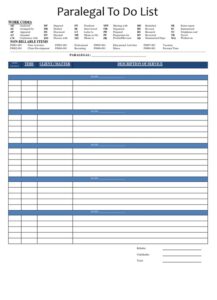
Consider including the following essential fields and sections in your law firm attendance note template to ensure all crucial information is captured efficiently:
- Date, Time, and Duration: Precisely when the interaction took place and how long it lasted.
- Attendees: A clear list of everyone present or involved, including their roles and affiliations.
- Matter Name/Client Reference: The specific case or client file the interaction pertains to, ensuring easy categorization.
- Purpose of Meeting/Call: A brief statement outlining the reason for the interaction.
- Key Discussion Points: A summary of what was discussed, including relevant facts and information exchanged.
- Advice Given: A concise record of any legal advice or recommendations provided.
- Instructions Received: A clear statement of any instructions given by the client or other parties.
- Agreed Actions/Next Steps: What needs to happen next, by whom, and by when.
- Document Reference: Mention of any documents discussed or shared during the interaction.
- Fee Earner Initials/Signature: The name or initials of the person who created the note for accountability.
By implementing a template that includes these elements, firms can ensure a high standard of record-keeping. It transforms the act of note-taking from an individual chore into a structured process that contributes significantly to the firm’s overall professionalism and operational integrity. Regularly reviewing and updating your template based on feedback and evolving regulatory requirements will ensure it remains a dynamic and effective tool for all legal professionals within your practice.
Adopting and consistently using a well-designed attendance note template is a foundational step towards operational excellence in any legal practice. It doesn’t just streamline administrative tasks; it safeguards client interests, enhances professional compliance, and builds a robust internal knowledge base. The effort invested in creating and maintaining an effective system for recording interactions pays dividends in terms of efficiency, risk mitigation, and unwavering client confidence, ultimately contributing significantly to the firm’s long-term success and reputation in the legal community.