In the fast paced world of financial guidance, keeping track of every client interaction is not just good practice; it is essential. You juggle numerous client relationships, intricate financial plans, and a constant stream of information. This is precisely where a well-structured meeting note template for advisers becomes an invaluable asset, ensuring no detail slips through the cracks and every conversation leads to a productive next step.
Imagine having a clear, concise record of every discussion, decision, and action item, instantly accessible when you need it most. Such a system empowers you to provide tailored advice, maintain continuity across multiple meetings, and demonstrate diligence should any compliance questions arise. It transforms fleeting conversations into permanent, actionable data points that enhance your professional service.
Beyond compliance and clarity, effective note-taking strengthens client relationships. When you consistently recall specific details from past conversations, clients feel heard, valued, and confident in your ability to manage their financial future. Let’s explore how a thoughtfully designed template can elevate your practice and simplify your daily operations.
The Core Components of an Effective Adviser Meeting Note Template
Building a robust meeting note template starts with understanding the essential information you need to capture from every interaction. This isn’t just about jotting down thoughts; it is about creating a structured document that serves as a comprehensive historical record and a forward-looking action plan. A well-designed template guides you through capturing all critical data points, ensuring consistency across all client engagements.
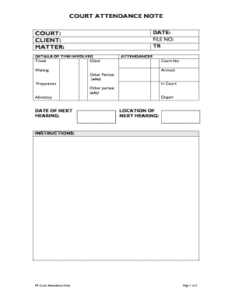
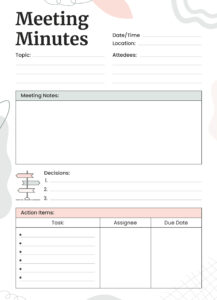
First and foremost, every note should clearly identify the basics: the client’s name or account, the date of the meeting, the attendees, and the type of meeting (e.g., initial consultation, quarterly review, follow-up on specific advice). This foundational information seems simple, yet it is crucial for easy retrieval and context when reviewing notes weeks or months later.
Next, dedicate a section to the meeting’s agenda and discussion points. Before the meeting, you might pre-fill this with topics you intend to cover. During the meeting, you can use it to track what was actually discussed, making sure you hit all key items and noting any diversions or new topics introduced by the client. This ensures a comprehensive overview of the conversation flow.
A critical part of any adviser client meeting involves decisions and recommendations. Your template should have a dedicated space to record these. What advice was given? What options were presented? What decisions did the client make or defer? Clearly documenting these moments is vital for future reference, compliance, and demonstrating the value you provide.
Equally important are the action items. A conversation without clear next steps is just a conversation. This section should detail who is responsible for what and by when. This includes actions for you, the client, or even third parties. A good meeting note template for advisers will make these action items immediately visible and easy to track post-meeting, preventing tasks from being forgotten.
Finally, consider a section for follow-up schedules and next steps. When is the next touchpoint? What topics need to be revisited? This ensures continuity and proactive client management. Having this structured approach embedded in your note-taking process transforms your notes from mere records into dynamic tools for ongoing client relationship management and business development.
Practical Tips for Maximizing Your Meeting Notes
Once you have a solid template in place, the next step is to integrate it seamlessly into your workflow and optimize your note-taking process. Whether you prefer digital tools or physical notebooks, consistency is key. Digital templates offer advantages like searchability, easy sharing, and integration with CRM systems, while a physical template might feel more natural for some during a live conversation. Choose the method that best supports your focus during client interactions.
Remember that your notes are living documents. After each meeting, take a few minutes to review and expand upon your initial scribbles. Fill in any gaps, clarify ambiguous points, and translate shorthand into full sentences. This post-meeting ritual solidifies the information in your mind and ensures the notes are truly comprehensive and understandable to anyone who might need to review them, including your future self.
Beyond just recording, think about how your notes can actively serve your practice. Use them to identify recurring client needs, track the progress of long-term goals, or even pinpoint opportunities for additional services. Your well-organized notes become a powerful resource for strategic planning, client retention, and continuous improvement of your advisory services.
- Review notes promptly after the meeting to add detail and clarity.
- Integrate notes with your client relationship management (CRM) system for easy access.
- Highlight key decisions and action items for quick reference.
- Schedule follow-up tasks directly from your notes.
- Regularly audit your note-taking process to identify areas for improvement.
Adopting a consistent and comprehensive approach to meeting notes is more than just an administrative task; it is a fundamental pillar of professional advisory service. It ensures precision, enhances client trust, and safeguards your practice against oversight.
By thoughtfully applying these strategies, you are not just taking notes; you are building a robust system that supports every aspect of your client relationships, contributing significantly to your long-term success and peace of mind.