In the demanding world of counseling, staying organized and maintaining thorough records is not just good practice; it’s absolutely essential. Whether you are a seasoned therapist or just starting your journey, having a reliable individual counseling case note template can make a significant difference in the quality of care you provide and the efficiency of your practice. These templates serve as a structured framework, guiding you to capture all the critical information from each session, ensuring no important detail slips through the cracks.
Think about the myriad details discussed in a single counseling session – client presenting issues, therapeutic interventions, client responses, progress towards goals, and plans for future sessions. Without a systematic way to record this information, recalling specifics for subsequent sessions, supervision, or even legal requirements can become a daunting task. A well-designed template simplifies this process, allowing you to focus more on your client and less on remembering what needs to be documented.
Beyond mere record-keeping, effective case notes contribute directly to better client outcomes. They provide a clear narrative of the client’s journey, highlight patterns, track progress, and ensure continuity of care, especially if another professional ever needs to step in. Moreover, robust documentation offers invaluable legal and ethical protection, demonstrating your adherence to professional standards and safeguarding your practice.
The Anatomy of an Effective Case Note Template
Understanding what constitutes a truly effective case note template is the first step toward optimizing your documentation process. It is not just about having a blank form, but about a thoughtfully structured tool that prompts you to record all pertinent information in a logical and comprehensive manner. A good template acts as a guide, ensuring consistency across all your client files.
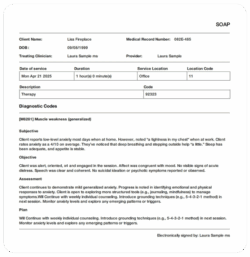
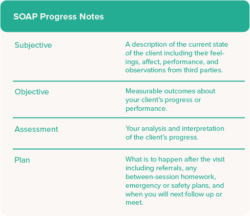
Many popular frameworks exist for structuring case notes, such as SOAP (Subjective, Objective, Assessment, Plan), BIRP (Behavior, Intervention, Response, Plan), or DAP (Data, Assessment, Plan). While the specific acronyms differ, they all aim to provide a structured way to document the session. A comprehensive template often incorporates elements from these models, tailored for the counseling environment.
Client Information and Session Details
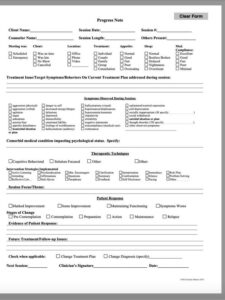
Every case note should begin with fundamental identifying information. This typically includes the client’s unique identifier or name, the date and time of the session, the session number in the therapeutic sequence, and your name as the counselor. This section ensures that each note is correctly attributed and provides immediate context within the client’s overall record. It seems like a small detail, but accuracy here prevents significant administrative headaches later on.
Presenting Issues and Client Status
This segment focuses on the client’s current state and what brought them to the session. You’ll want to document their self-reported concerns, their mood, any significant events that occurred since the last session, and their overall emotional and mental status as observed by you. This is often the “Subjective” part of a SOAP note, capturing the client’s perspective and immediate distress or triumphs.
Interventions and Counselor Observations
Here, you detail the specific therapeutic techniques and strategies you employed during the session. Did you use cognitive behavioral techniques, explore past trauma using EMDR, or facilitate a mindfulness exercise? Document what you did, the specific questions you asked, and the key themes that emerged. This section also includes your objective observations of the client’s behavior, body language, and affect during the session – essentially, the “Objective” part.
Client Response and Progress
Following your interventions, how did the client respond? Did they gain new insights, express resistance, demonstrate emotional breakthroughs, or identify new coping mechanisms? This part captures the client’s reactions to the therapeutic work and their engagement. It’s crucial for tracking their progress towards their established treatment goals and assessing the effectiveness of your chosen interventions. Look for concrete examples of changes in thought patterns or behaviors.
Future Planning and Homework
Concluding the note, this section outlines the plan for the next session. What will be the focus? Are there any specific tasks, readings, or reflections (often called “homework”) assigned to the client to work on between sessions? Any referrals made or recommended resources should also be noted here. This provides a clear roadmap for both you and the client, ensuring continuity and purpose in the therapeutic journey. Keeping notes concise yet comprehensive here is key for actionable follow-through.
Best Practices for Utilizing Your Case Note Template
Simply having an individual counseling case note template is only half the battle; knowing how to utilize it effectively is where the real value lies. Consistency and adherence to best practices transform a mere form into a powerful clinical and administrative tool. It is about integrating note-taking seamlessly into your workflow rather than seeing it as an afterthought.
One of the most crucial practices is timeliness. Notes should ideally be completed as soon after the session as possible, while the details are still fresh in your mind. Delaying note completion increases the risk of forgetting important nuances, leading to less accurate and less comprehensive documentation. Establishing a routine, perhaps dedicating 10-15 minutes after each session, can significantly improve the quality and regularity of your notes.
Beyond timeliness, ethical and legal considerations are paramount. Ensure your notes maintain client confidentiality, are stored securely, and adhere to all relevant privacy regulations (like HIPAA in the US). Notes should be objective, separating your observations from your interpretations or judgments. They should also be written in a professional tone, avoiding jargon where possible or explaining it clearly if necessary.
Here are some additional best practices to consider:
- Be timely: Complete notes as soon after the session as possible.
- Be objective: Separate observations from interpretations.
- Be concise yet comprehensive: Include all necessary details without excessive rambling.
- Maintain confidentiality: Store notes securely and adhere to all privacy regulations.
- Review regularly: Periodically check your notes for accuracy and completeness.
- Customize your template: Adapt a generic individual counseling case note template to fit your specific practice, theoretical orientation, and client population. This ensures it remains a relevant and useful tool.
Adopting a robust system for documenting your sessions is a cornerstone of professional counseling practice. A well-designed individual counseling case note template streamlines your administrative tasks, enhances the therapeutic process, and provides essential protection for both you and your clients. By meticulously capturing the journey of each individual, you build a comprehensive record that supports informed decision-making and fosters continuous improvement in your clinical work.
Embracing structured documentation is an investment in your practice and your clients’ well-being. It empowers you to provide more targeted interventions, demonstrate accountability, and maintain a clear, evolving understanding of each person’s progress. Ultimately, a strong note-taking system ensures that every interaction contributes meaningfully to a positive therapeutic outcome.