Navigating the complexities of patient care in dermatology demands precision, efficiency, and thorough documentation. This is precisely where a well-structured dermatologist dermatology soap note template becomes an indispensable tool. It provides a standardized framework that ensures every vital piece of information, from the patient’s subjective complaints to the objective findings, assessment, and treatment plan, is meticulously recorded.
Effective record-keeping is not just a matter of compliance; it significantly enhances the quality of care provided. By consistently using a detailed note structure, dermatologists can track patient progress more effectively, collaborate seamlessly with other healthcare providers, and ensure continuity of care, especially for chronic skin conditions that require long-term management.
This guide will delve into the anatomy of an ideal SOAP note tailored for dermatology, exploring how its systematic approach can streamline your practice, improve communication, and ultimately lead to better patient outcomes. We will cover each section in detail, offering insights into what information is most crucial for dermatological contexts.
Understanding the Core Components of a Dermatology SOAP Note
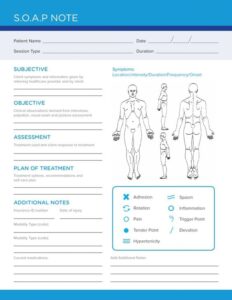
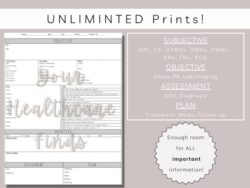
A SOAP note, standing for Subjective, Objective, Assessment, and Plan, is a universally recognized method of documentation in healthcare. For dermatology, each section takes on specific nuances that reflect the unique nature of skin conditions and their management. Implementing a robust template ensures consistency across all patient encounters, making past notes easy to interpret and future care plans clearer.
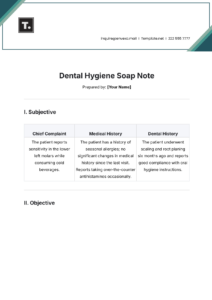
Subjective
This initial section captures the patient’s own story. It begins with the chief complaint, stated in their own words, describing why they sought help. Following this, you would document the history of the present illness, including onset, duration, location, character, aggravating and alleviating factors, associated symptoms, and previous treatments tried. In dermatology, this might involve details about a rash’s itchiness, pain, or any changes in its appearance over time. Relevant past medical history, surgical history, family history of dermatological conditions, social history (e.g., sun exposure, occupation, hobbies, smoking, alcohol use), and a review of systems (ROS) are also critical here, providing a holistic view of the patient’s health that might influence their skin condition.
Objective
The objective section is where all measurable and observable data are recorded. For a dermatologist, this primarily involves a thorough skin examination. You would detail the location, size, shape, color, configuration, and distribution of any lesions or rashes. Specific dermatological terms for primary and secondary lesions are crucial here (e.g., macule, papule, plaque, nodule, vesicle, bulla, pustule, scale, crust, erosion, ulcer, lichenification, scar). Beyond the skin, this section also includes findings from hair, nails, and mucous membranes. Any relevant vital signs, lab results (e.g., biopsy reports, cultures), or imaging studies are also documented in this part, providing concrete evidence to support the assessment.
Assessment
Based on the subjective complaints and objective findings, the assessment section outlines the most probable diagnosis or a differential diagnosis list. This is where the dermatologist’s clinical reasoning comes into play. You might list primary diagnoses first, followed by secondary or less likely possibilities. It is important to also note the severity, acuity, and stage of the condition. For chronic conditions, you would typically comment on the progress or changes since the last visit. This section often includes the rationale for the chosen diagnosis, supported by the data from the subjective and objective sections.
Plan
The plan section details the course of action for managing the patient’s condition. This includes any prescribed medications (topical or systemic), procedures (e.g., biopsies, excisions, cryotherapy, laser treatments), patient education provided (e.g., sun protection, skin care regimen, medication usage instructions), and follow-up instructions. You would also note any referrals to other specialists, recommended lifestyle modifications, and return-to-clinic instructions. Clarity and specificity are paramount in this section to ensure the patient understands their role in the treatment process and to guide future care effectively. A comprehensive plan ensures continuity and minimizes ambiguity.
Utilizing these core components systematically not only structures your thoughts but also creates a comprehensive, legally sound patient record. It’s an invaluable asset for every dermatology practice.
Practical Tips for Implementing a Dermatologist Dermatology SOAP Note Template
Adopting a specialized dermatologist dermatology soap note template within your practice can profoundly enhance both efficiency and the quality of patient care. It brings a level of standardization that ensures no critical detail is missed, fostering a consistent approach to documentation across all practitioners in a clinic. This consistency is vital for tracking chronic conditions, evaluating treatment efficacy over time, and ensuring that any provider can quickly grasp the patient’s history and current status.
One of the greatest advantages is the ability to streamline your workflow. Instead of starting from scratch with each patient, a template guides you through the necessary fields, prompting you for information you might otherwise overlook in a busy clinical setting. This saves valuable time during and after appointments, allowing you to focus more on patient interaction and less on the mechanics of note-taking. Furthermore, a well-implemented template can significantly improve communication among healthcare team members, making it easier for colleagues, residents, or nurses to understand the patient’s journey and contribute effectively to their care plan.
When incorporating a new template, consider customizing it to best fit your specific practice needs and common dermatological conditions you encounter. While the core SOAP structure remains, adding specific sections or prompts relevant to common skin ailments, such as lesion descriptions or specific risk factors for skin cancer, can make the template even more powerful. Remember to periodically review and update your template to reflect new guidelines, best practices, or changes in your clinic’s workflow.
- Be Specific and Descriptive: Use precise dermatological terminology for lesions, locations, and descriptions. Avoid vague language.
- Document Patient Education: Clearly state what information was provided to the patient regarding their condition, treatment, and self-care.
- Ensure Clarity for Follow-Up: Explicitly state the timing and purpose of future appointments or procedures.
- Maintain Conciseness: While thorough, strive for brevity and clarity, avoiding redundant information.
- Integrate with EHR Systems: Leverage electronic health record (EHR) systems to digitally store and manage templates, enhancing accessibility and security.
Continuously striving for excellence in documentation is a hallmark of high-quality dermatological care. By embracing a structured approach to your clinical notes, you empower your practice with consistency, clarity, and an undeniable commitment to patient well-being. The benefits extend beyond individual patient encounters, contributing to a more organized and effective healthcare system as a whole, ensuring that every detail is captured and utilized for optimal outcomes.