Navigating the world of patient documentation can sometimes feel like a maze, especially when you’re aiming for thoroughness and efficiency. That’s where a well-structured dental hygiene soap note template becomes an absolute game-changer for dental professionals. It’s more than just a form; it’s a systematic approach to recording patient encounters, ensuring every crucial detail, from their chief complaint to your treatment plan, is meticulously captured.
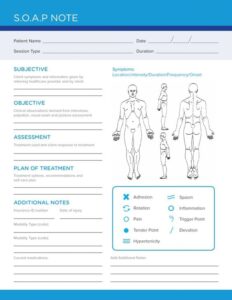
A SOAP note, standing for Subjective, Objective, Assessment, and Plan, is a universally recognized method of documentation used across various healthcare fields. In the context of dental hygiene, it provides a clear, concise, and comprehensive overview of each patient visit. It helps you organize your thoughts, track patient progress, and communicate effectively with other members of the dental team.
Think of it as your reliable assistant for every appointment, guiding you through the essential information you need to gather and record. This structured format not only streamlines your workflow but also significantly enhances the quality of care you provide by ensuring no stone is left unturned in assessing a patient’s oral health needs.
Understanding Each Section of Your Dental Hygiene SOAP Note
When you sit down to document a patient encounter using a dental hygiene SOAP note, you’re essentially telling a story about their visit, backed by clinical evidence and professional judgment. Each letter of SOAP represents a vital chapter in that story, ensuring a holistic record.
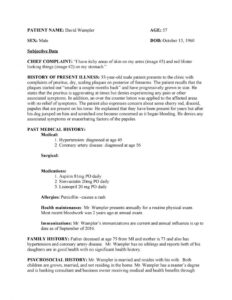
The "S" stands for Subjective. This is where you record what the patient tells you directly. It includes their chief complaint, any symptoms they’re experiencing, their stated medical history updates, concerns, and even their lifestyle habits that might impact their oral health. For example, if a patient mentions sensitivity to cold or a dry mouth, or if they report their last dental visit was five years ago, all of that goes into the subjective section. It’s their narrative, in their own words or paraphrased accurately.
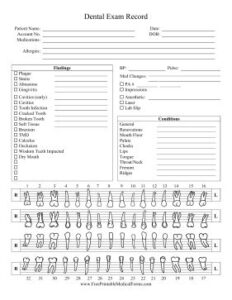
Moving on to "O," which is for Objective. This section is all about what you, the dental hygienist, observe and measure clinically. It’s the concrete evidence you gather during the examination. This includes vital signs, extraoral and intraoral findings, results from any radiographic interpretations, comprehensive periodontal charting, caries detection, existing restorations, and any other clinical data you collect. Think about everything you can see, feel, hear, or test—the bleeding points, probing depths, plaque index, calculus presence, and even the shade of their teeth.
Next, we arrive at "A" for Assessment. This is your professional interpretation and diagnosis based on the subjective information the patient provided and the objective findings you gathered. Here, you connect the dots. You might identify a diagnosis like generalized chronic periodontitis, or perhaps a high risk for caries. The assessment section also includes identifying risk factors, noting the patient’s oral hygiene compliance, and determining their educational needs. It’s where your clinical reasoning comes into play, synthesizing the data into a coherent picture of the patient’s current oral health status.
Finally, "P" stands for Plan. This section outlines what you intend to do for the patient during the current appointment and for their future care. It details the specific dental hygiene treatment provided, such as scaling and root planing, fluoride application, or sealant placement. The plan also includes home care instructions given to the patient, any referrals made to specialists (like an orthodontist or periodontist), prescriptions recommended, and the recall schedule for their next appointment. It’s your action plan, laying out the steps for achieving optimal oral health for your patient.
A well-detailed plan ensures continuity of care and provides a clear roadmap for both the patient and any other dental professional who might review the record. It reflects a comprehensive approach to addressing the patient’s needs identified in the assessment, based on the subjective and objective data. Maintaining a thorough and consistent dental hygiene soap note template across all patient encounters truly elevates the standard of care.
Streamlining Your Practice with an Effective SOAP Note Template
Adopting a standardized dental hygiene soap note template isn’t just about ticking boxes; it’s about building a foundation for consistent, high-quality patient care and efficient practice management. When every team member utilizes the same format, it fosters clarity and reduces the chances of miscommunication or overlooked details. This consistency is invaluable, especially in busy practices where multiple hygienists might see the same patient over time.
Beyond daily efficiency, a robust template serves as a critical legal document. In the unfortunate event of a legal inquiry, detailed and consistent SOAP notes provide an indisputable record of the care provided, the patient’s condition, and all communications. This level of meticulous documentation protects both the practitioner and the practice, demonstrating a commitment to professional standards and patient safety.
Furthermore, a well-implemented template significantly aids in tracking patient progress and outcomes. By comparing notes from visit to visit, you can easily identify trends, assess the effectiveness of treatment plans, and make necessary adjustments to home care instructions or follow-up procedures. This iterative process is fundamental to achieving and maintaining long-term oral health for your patients. Consider the myriad benefits:
- Improved Patient Care: Ensures a holistic approach by covering all aspects of the patient’s condition and treatment.
- Enhanced Communication: Facilitates clear information exchange among the dental team, specialists, and other healthcare providers.
- Solid Legal Documentation: Provides a comprehensive and defensible record of all patient encounters.
- Efficient Workflow: Standardizes the documentation process, saving time and reducing administrative burden.
- Effective Progress Tracking: Allows for easy monitoring of treatment efficacy and patient compliance over time.
Implementing a consistent SOAP note template empowers you to maintain a higher standard of care, ensuring that every patient receives personalized attention and every detail of their oral health journey is meticulously recorded for their benefit and for the integrity of your practice.
Accurate and complete patient records are more than just a regulatory requirement; they are the cornerstone of excellent patient management. By embracing a structured approach to your daily documentation, you enhance your ability to provide outstanding care, manage complex cases with greater ease, and foster a more organized and professional environment for everyone involved.