Losing your home or personal belongings to a fire, flood, or another major disaster is an incredibly overwhelming experience that no one is ever truly ready for. In the aftermath of such a tragedy, you are suddenly faced with a mountain of paperwork and the daunting task of recalling every single item you once owned while dealing with the emotional weight of the situation. This is where using a total loss inventory list template becomes an essential part of your recovery journey because it provides a structured and organized way to document your possessions for insurance purposes. Having a clear plan in place can take some of the heavy lifting off your shoulders during a time when you need to focus on your family and your mental well-being.
Most insurance companies will require a detailed breakdown of everything that was damaged or destroyed before they can process your claim and issue a payout. Without a proper list, you might find yourself struggling to remember the small things like kitchen utensils, linens, or holiday decorations, which can actually add up to thousands of dollars in value over time. By taking a systematic approach to your inventory, you ensure that you are maximizing your claim and getting the financial support needed to rebuild your life from scratch. It is all about being thorough and making sure the insurance adjuster sees the full picture of what you have lost so that they can compensate you fairly according to your policy.
How to Organize Your Itemized Property List
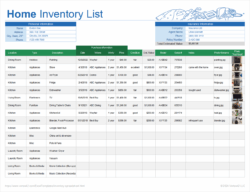
Creating a comprehensive record of your belongings is not something that happens in a single hour. It is a slow and deliberate process that requires a lot of patience and a bit of detective work on your part. When you start building your list, you should try to visualize each room of your house exactly as it was before the incident occurred. It is often best to start with one room at a time to keep from feeling completely overwhelmed by the sheer volume of items you need to record. Think about the big pieces first, like sofas, electronics, and beds, and then slowly work your way down to the contents of your drawers, closets, and cabinets.
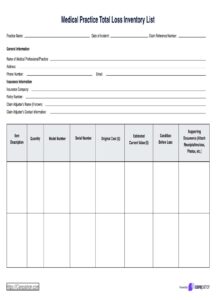
For each item you list, there are several key pieces of information that the insurance company will be looking for to verify your claim. You generally want to include the name of the item, a brief description of its condition, where you originally bought it, and how much it cost at the time of purchase. If you have any digital records, such as emailed receipts, bank statements, or credit card histories, those can be incredibly helpful in proving the value of your more expensive possessions. Even if you do not have the exact receipt for everything, providing an estimated age of the item and the current replacement cost can help the insurance company calculate the fair market value more accurately.
Documentation is your best friend during this difficult process. If you have any photos or videos of your home from before the loss, those are absolute gold mines for information. You can go through your phone or your social media accounts to find background shots of your rooms that might show things you have forgotten about. Sometimes a simple family photo from a birthday or holiday can reveal the brand of a television, the quality of a rug, or the specific type of furniture that you might have otherwise missed. Every bit of visual evidence helps build a stronger case for your claim and reduces the chances of your settlement being undervalued by the adjuster.
It is also important to remember that a total loss inventory list template should be flexible enough to handle all different types of property. You should categorize your items to make the list easier for the insurance company to read and process. Common categories include home electronics, clothing and accessories, furniture, kitchen appliances, and personal keepsakes. By grouping similar items together, you show that you are organized and thorough, which can sometimes help speed up the review process. A well-organized list demonstrates that you have put in the effort to be accurate, making it much harder for the insurance company to dispute your findings or ask for endless clarifications.
- Item name and a detailed description of the product
- Estimated date of purchase or the year you acquired it
- Original purchase price including any taxes paid
- Current replacement cost in today s market
- Brand name and model number if you can remember them
- The specific room where the item was located
Mastering the Insurance Recovery Steps
Once your list is compiled, the next major step involves communicating effectively with your assigned insurance adjuster. They are the person responsible for evaluating your loss and determining how much the company is willing to pay based on your specific policy limits. It is a very good idea to keep a detailed communication log of every phone call, email, and meeting you have with them throughout the life of the claim. Being proactive and providing your itemized list early on can set a positive tone for the entire process and shows that you are prepared to cooperate fully to get the matter resolved quickly.
Understanding the difference between actual cash value and replacement cost is also vital when you are filling out your documentation. Actual cash value takes depreciation into account, which means you get paid what the item was worth at the moment it was destroyed based on its age and wear. Replacement cost, on the other hand, is intended to give you enough money to buy a brand new version of that item at current market prices. Knowing which type of coverage you have in your policy will change how you approach your inventory and what kind of expectations you should have for your final settlement check from the insurance company.
Do not feel pressured to rush the process of finalizing your list too quickly. It is very common for survivors of a major disaster to remember more items weeks or even months after the initial event took place. You might be out shopping and see a specific brand of kitchen tool that reminds you that you had one just like it in your pantry. Most insurance companies allow you to submit supplemental lists as you remember more things over time. Keep a notepad or a digital file on your phone handy so you can quickly jot down these items the moment they pop into your head so you do not forget them again.
Recovering from a total loss is a long and difficult road, but having the right tools can make the journey a little bit smoother for you and your family. A reliable total loss inventory list template serves as the essential foundation for your insurance claim, ensuring that no small detail is overlooked and no value is lost in the shuffle of the paperwork. While it may feel incredibly tedious to list out every single book, towel, and piece of cutlery, the cumulative effect of these items is significant to your overall financial recovery and your ability to eventually start fresh in a new space.
Take it one step at a time and do not be afraid to ask for help from friends or family members who might remember things about your home that you have temporarily forgotten due to stress. Your main goal is to be as accurate and as complete as possible so that you can move forward with peace of mind. With a solid and detailed inventory in hand, you are much better positioned to get the settlement you deserve and finally begin the process of rebuilding your home and your life. Remember that this is just a temporary phase, and being organized now will lead to a much better outcome for your future.