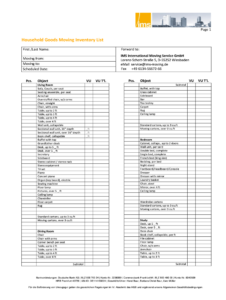
Ever found yourself wondering what exactly is inside every box after a big move, or panicking at the thought of cataloging everything you own for insurance purposes? You’re not alone. Many people face this daunting task, but it doesn’t have to be overwhelming. The good news is, with a proper house contents inventory list template, you can transform a chaotic chore into a manageable and incredibly useful project for your home and peace of mind.
Creating a comprehensive inventory of your home’s contents might seem like a huge undertaking, something often pushed to the bottom of the to-do list. We tend to think of it only in the face of an emergency, like a natural disaster or a burglary, when it’s already too late and stress levels are at their peak. But preparing beforehand offers an invaluable safety net.
This article will guide you through the process, highlighting why an inventory is crucial and how a well-structured template can simplify everything. Whether you’re moving, settling insurance claims, planning your estate, or just want a better handle on your possessions, having an organized list is a smart move for every homeowner or renter.
Why Creating a Home Inventory is More Important Than You Think
You might be thinking, “Do I really need a list of every single item in my house?” The short answer is yes, and for several compelling reasons that extend far beyond simply knowing what you own. A detailed home inventory is a powerful tool, a safety net that protects your financial interests and provides peace of mind in unexpected situations. It’s not just about listing items; it’s about safeguarding your future.
Navigating Insurance Claims with Ease
Perhaps the most critical reason for maintaining an up-to-date home inventory is for insurance purposes. In the unfortunate event of a fire, theft, flood, or any other damage to your home, filing an insurance claim can be a complex and often emotionally draining process. Without a clear record, remembering every single item you’ve lost, its approximate value, and proof of ownership becomes incredibly difficult, leading to lower payouts or even rejected claims. An inventory provides concrete evidence, speeding up the claim process and ensuring you receive fair compensation for your losses, helping you rebuild your life much faster.
Streamlining Your Next Move
Moving house is famously one of life’s most stressful events. Amidst the packing, loading, and unpacking, items can easily get misplaced, broken, or even go missing. A detailed inventory acts as your master checklist. You can easily cross-reference boxes and items as they leave your old home and arrive at your new one, immediately identifying any discrepancies. This organized approach minimizes stress, reduces the chances of loss, and ensures everything arrives safely, letting you settle into your new space with confidence.
Beyond the Practical: Peace of Mind
Beyond the immediate practical benefits, having a comprehensive home inventory simply offers incredible peace of mind. Knowing exactly what you possess, where it is, and its value, removes a layer of subtle anxiety that many people carry without realizing it. It’s a proactive step towards responsible homeownership, allowing you to feel more secure about your belongings and better prepared for whatever life throws your way. It also serves as an excellent resource for estate planning, simplifying the distribution of assets for your loved ones during difficult times.
What to Include in Your Template and How to Get Started
Embarking on the creation of your home inventory might still feel like a big project, but a robust house contents inventory list template breaks it down into manageable steps. The key is to be thorough but also practical in what you record. Think about what information would be most useful to you or an insurance adjuster if something were to happen.
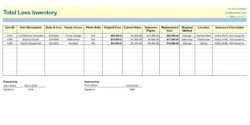
When filling out your inventory, aim for clarity and detail. For each item, you’ll want to note its description, where it’s located in your home, its estimated value, and ideally, its purchase date. For electronics, appliances, and other high-value items, including serial numbers and model numbers is absolutely vital. Consider taking photos or even a video walkthrough of each room. These visual records provide undeniable proof of ownership and condition, which can be invaluable for insurance claims or even simply remembering where you packed something.
Getting started is often the hardest part. The best approach is to tackle your home room by room. Don’t try to do it all at once; even dedicating an hour a week to one specific area can yield significant progress over time. Begin with a less cluttered space, like a bedroom, to build momentum, then move on to more complex areas like the living room or kitchen. Remember to store your completed inventory in a safe place, preferably off-site or digitally in a cloud service, so it’s accessible even if your physical home is compromised.
Some essential fields to include in your inventory list are:
Taking the time to compile a detailed house contents inventory is an investment in your financial security and peace of mind. It might seem like a chore now, but in a world full of uncertainties, being prepared offers a level of comfort that is truly priceless. It’s a proactive step that empowers you and protects your assets for years to come.
Start today, even if it’s just with one room or one category of items. You’ll be surprised how quickly you can build a comprehensive record of your possessions. This valuable document will serve you well in various life situations, ensuring that you’re always one step ahead, whether you’re facing a move, an insurance claim, or simply organizing your valuable belongings.