Navigating the complexities of fire safety in any building can feel like a daunting task. From understanding intricate alarm systems to ensuring swift emergency responses, a clear and organized approach is absolutely essential. This is precisely where a well-structured fire alarm zone list template becomes an invaluable asset, transforming potential chaos into a manageable, highly effective safety protocol. It’s more than just a document; it’s a critical tool for preparedness.
Every building, regardless of its size or purpose, benefits immensely from a comprehensive understanding of its fire alarm system’s zones. These zones act as distinct segments within the building, allowing for pinpoint accuracy when an alarm is triggered. Imagine the difference between a general “fire alarm” and knowing precisely which floor or even which wing of a large facility is affected. This clarity is not just for facility managers, but for everyone involved in maintaining safety and, most importantly, for emergency responders.
This article will guide you through the significance of understanding your fire alarm zones, what makes a really effective zone list, and how you can develop or refine your own template to enhance safety, streamline maintenance, and ensure compliance. We’ll explore the practical aspects that turn a simple list into a powerful safety tool.
Understanding the Crucial Role of a Fire Alarm Zone List
A fire alarm zone list isn’t just a bureaucratic formality; it’s a cornerstone of effective fire safety management. At its heart, a fire alarm zone refers to a specific area of a building that is monitored by a group of interconnected fire detectors and manual call points, all reporting back to the main control panel as a single unit. When an alarm activates within a particular zone, the control panel immediately identifies that specific area, rather than just signaling a generic “fire.” This immediate identification is paramount in an emergency.
The benefits of having a clear understanding and a detailed list of these zones are multi-faceted. Firstly, it dramatically speeds up the identification of the fire’s location. This precious time saved can be the difference between a minor incident and a major catastrophe, allowing for quicker evacuation, more targeted response from staff, and a more efficient attack on the fire by emergency services. It also helps prevent widespread panic by confining the immediate focus to a specific area.
Furthermore, a well-defined zone list plays a significant role in routine maintenance and troubleshooting. When a detector in Zone 7 is faulty, your team knows exactly where to go, rather than having to search the entire building. This efficiency reduces downtime, lowers maintenance costs, and ensures the system remains fully operational at all times, a critical factor for ongoing safety and compliance.
From a regulatory standpoint, many building codes and safety standards either explicitly or implicitly require a clear understanding and documentation of fire alarm zones. Adhering to these requirements isn’t just about avoiding penalties; it’s about demonstrating a commitment to safety that can also impact insurance premiums and liability. It shows due diligence in protecting occupants and property.
For first responders, a fire alarm zone list is an invaluable piece of intelligence. Upon arrival, emergency personnel can quickly consult the list, understand the building layout in relation to the zones, and rapidly deploy resources to the exact location of the threat. This prevents wasted time searching and allows them to execute their strategies with precision, enhancing their effectiveness and safety.
Finally, the adaptability of a zone list makes it incredibly powerful. While core principles remain the same, the specifics of a zone list template can be tailored to fit various building types – a sprawling industrial complex will have different zoning needs than a multi-story residential building or a busy commercial office block. This customization ensures that the template serves the unique safety requirements of each environment.
Crafting Your Own Effective Zone List
Now that we appreciate the critical importance of understanding and utilizing fire alarm zones, let’s talk about the practical steps involved in creating a truly effective zone list for your facility. It’s not just about filling in blanks; it’s about a systematic approach that ensures clarity, accuracy, and usability. The initial step involves a thorough walk-through of your building with your fire alarm system blueprints in hand, meticulously identifying each zone as designated by your fire panel.
Once you’ve identified all the physical zones and their corresponding panel numbers, the next phase is to detail what each zone encompasses. This means specifying the exact areas, floors, rooms, or sections of the building that fall within each zone. Clarity here is paramount; avoid vague descriptions. Think about someone who has never been in your building before – would they be able to locate the zone based on your description alone?
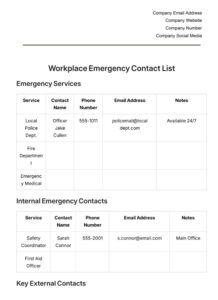
This process culminates in the creation of your definitive fire alarm zone list template. A comprehensive template should include several key pieces of information, ensuring that all vital details are readily accessible. This structured approach simplifies training, maintenance, and emergency response, making the entire fire safety system more robust.
Here’s what an effective fire alarm zone list template should typically include:
Remember, this isn’t a one-time project. Buildings evolve, layouts change, and systems are upgraded. Therefore, your fire alarm zone list template should be a living document, reviewed and updated regularly to reflect any modifications to your building or fire safety system, ensuring its continued accuracy and effectiveness for years to come.
A well-documented and easily accessible fire alarm zone list is an indispensable tool for any facility manager, safety officer, or building owner. It simplifies maintenance, enhances emergency preparedness, and ultimately contributes significantly to the safety and well-being of everyone within the building. By investing time and effort into creating and maintaining a clear and detailed template, you’re building a stronger foundation for your entire fire safety strategy, ready for any situation.