Workplace safety is paramount, and being prepared for unforeseen events is not just good practice—it’s essential. In moments of crisis, every second counts, and having immediate access to critical information can make all the difference. This includes swiftly reaching emergency contacts for your employees and key personnel.
A well-organized workplace emergency contact list template serves as a vital tool for any business, regardless of its size or industry. It ensures that in the event of an accident, health issue, or other critical incident, the right people can be informed without delay. This guide will walk you through the importance of such a list and how to create an effective one for your organization.
Understanding the components of a robust emergency contact system is crucial for business resilience and employee well-being. We will explore why having this document is non-negotiable, what essential information it should contain, and provide a clear sample to help you get started.
Why A Comprehensive Emergency Contact List Is Essential For Businesses
Every workplace faces potential risks, from minor incidents to major emergencies. A well-maintained emergency contact list is a cornerstone of effective incident management. It allows for swift, coordinated responses that can mitigate harm and ensure the safety of everyone on site.
Beyond immediate safety concerns, a robust system demonstrates a company’s commitment to its employees’ welfare. It fosters a secure environment, building trust and peace of mind among staff. This proactive approach to safety contributes significantly to a positive work culture.
Ensuring Rapid Response And Employee Safety
During a workplace emergency, such as a medical incident, fire, or natural disaster, quick action is critical. Having readily available emergency contact details for each employee enables management or first responders to notify family members promptly. This immediate communication can be crucial for medical decisions or simply to alleviate concern.
Timely notification of an employee’s emergency contact can also facilitate a smoother transition of care or provide vital information to medical professionals. For instance, if an employee has a pre-existing condition, their contact may provide essential health details. This readiness significantly improves the chances of positive outcomes in critical situations.
Meeting Legal And Compliance Requirements
Many jurisdictions and regulatory bodies, such as OSHA in the United States, mandate that employers have certain safety protocols in place. While specific requirements for emergency contact lists may vary, having one is a fundamental aspect of general workplace safety and compliance. It demonstrates due diligence in protecting employees.
Implementing a comprehensive emergency contact system helps businesses meet their ethical and legal obligations. It shows a commitment to providing a safe working environment and adhering to best practices in human resources. This foresight can prevent potential legal issues and maintain a company’s good standing.
Maintaining Business Continuity During Crises
Emergencies don’t just affect individuals; they can disrupt entire operations. In the event of a significant incident, such as a building evacuation or system outage, key personnel may need to be reached urgently. A complete list includes contacts for essential staff and management.
This ensures that critical decisions can still be made and communication channels remain open, even if regular operations are interrupted. A well-structured workplace emergency contact list template is therefore vital for business resilience. It minimizes downtime and helps the organization recover more quickly.
Key Elements Of An Effective Emergency Contact List
Creating an emergency contact list isn’t just about jotting down names and numbers. It requires thoughtful consideration of what information is truly necessary and how it can be accessed efficiently. A well-designed list is clear, concise, and comprehensive.
The effectiveness of your list hinges on the accuracy and completeness of the data it holds. Regular review and updates are just as important as the initial setup. This ensures that your preparedness remains robust over time.
Critical Employee Information
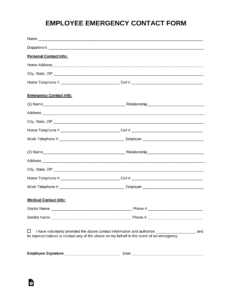
For each employee, the list should capture essential personal and emergency contact details. This ensures that in a crisis, their designated contacts can be reached quickly and efficiently. Privacy considerations are also important when collecting this data.
- Employee Full Name: Clearly identify the individual.
- Position/Department: Helps in identifying roles and responsibilities during an emergency.
- Employee Work/Mobile Phone: Primary contact number for the employee.
- Emergency Contact Name: The individual to be contacted in an emergency.
- Relationship to Employee: Specifies the relationship (e.g., spouse, parent, sibling).
- Emergency Contact Phone Number(s): At least one, preferably two, reliable phone numbers.
- Notes/Special Instructions: Any critical medical information (allergies, conditions) or specific instructions provided by the employee, with their consent.
Organizational And External Contacts
Beyond individual employee contacts, a comprehensive list also includes vital organizational and external contacts. These are crucial for managing the emergency itself and ensuring external support can be quickly mobilized. This section aids overall crisis management.
- Key Management/Leadership Team: For decision-making and overall coordination.
- First Responders: Local police, fire department, ambulance services (non-emergency numbers for context, 911/999/112 for direct emergency).
- Building Management/Landlord: For structural issues, utilities, or access.
- Utility Companies: Gas, electricity, water suppliers for outages or leaks.
- IT Support/Crisis Communication Team: For technological issues and public relations during a major incident.
- Nearest Medical Facility: Hospital or clinic information.
Accessibility And Regular Updates
An emergency contact list is only useful if it’s easily accessible to authorized personnel when needed most. It should be stored in multiple, secure locations, both physically and digitally. Ensuring its availability in an emergency is paramount.
Furthermore, contact information can change frequently. Employees move, change phone numbers, or update their emergency contacts. A system for regular review and updates, at least annually or as circumstances change, is vital. Reminders to employees to update their information will maintain accuracy and preparedness.
Sample Workplace Emergency Contact List Template
Implementing a standardized format makes your emergency contact information clear and actionable. The following table provides a basic yet comprehensive structure for a workplace emergency contact list template. This format is easily adaptable to different business needs and can be kept physically or digitally.
Using a template like this ensures consistency and helps to gather all necessary data points efficiently. It acts as a ready-to-use framework, saving time and reducing errors during setup. Customize the fields to best suit your specific organizational requirements and employee privacy policies.
| Employee Name | Position | Employee Phone | Emergency Contact Name | Relationship | Emergency Contact Phone | Notes/Special Instructions |
|---|---|---|---|---|---|---|
| Jane Doe | Marketing Manager | (555) 123-4567 | John Doe | Spouse | (555) 765-4321 | Allergic to penicillin |
| Mark Smith | Sales Associate | (555) 234-5678 | Sarah Smith | Mother | (555) 876-5432 | Type 1 Diabetes (insulin dependent) |
| Emily White | HR Coordinator | (555) 345-6789 | David White | Brother | (555) 987-6543 | No known medical issues |
| Robert Green | Operations Lead | (555) 456-7890 | Laura Green | Spouse | (555) 098-7654 | Asthma |
Having a current and accessible workplace emergency contact list is a non-negotiable component of modern business operations. It’s a proactive step that protects your most valuable asset—your employees—and safeguards your organization’s continuity during unexpected events. Investing time in creating and maintaining such a list reflects a strong commitment to safety and preparedness.
Don’t wait for an incident to highlight the need for proper emergency protocols. Take the initiative today to implement or update your own comprehensive emergency contact system using a reliable workplace emergency contact list template. Ensure peace of mind for everyone involved by prioritizing this essential aspect of workplace safety.