Starting a journey in couples counseling is a significant step for any relationship, and for the therapist guiding them, maintaining clear, concise, and comprehensive records is paramount. This is where a well-designed couples counseling progress note template becomes an invaluable tool. It helps track the intricate dynamics of two individuals, their shared goals, and the unique challenges they face, ensuring that every session builds effectively on the last. Without a structured approach to documentation, it’s easy for crucial details, progress points, or even subtle shifts in communication patterns to get lost in the shuffle.
Unlike individual therapy, couples counseling involves navigating the narratives, emotions, and goals of two distinct people who are deeply intertwined. Their interaction patterns, spoken and unspoken agreements, and individual contributions to the relationship’s health are all part of the therapeutic landscape. This complexity demands a documentation system that can capture the interplay between partners, their collective journey, and each person’s progress within the relational context.
Good documentation isn’t just about record-keeping; it’s about enhancing the therapeutic process itself. It provides a roadmap, highlights areas of stagnation or growth, and offers valuable insights for future interventions. For therapists, it ensures accountability, supports clinical reasoning, and streamlines the often-daunting task of session preparation and review.
Why a Specialized Progress Note Template Matters for Couples Counseling
When you’re working with couples, you’re essentially dealing with a system, not just two separate individuals. Each partner brings their own history, expectations, and communication style to the table, creating a unique dynamic that is constantly evolving. A standard individual therapy progress note often falls short in capturing this intricate dance, making a specialized template not just helpful, but truly essential for effective practice. It ensures that the specific nuances of relational work are adequately documented and easily accessible.
Imagine trying to track a conversation where one partner is expressing frustration about communication, while the other is feeling unheard, and both are struggling with intimacy issues. A good template allows you to record these multifaceted observations, linking individual statements to the broader relationship patterns and the overarching therapeutic goals. It helps you zoom in on specific interactions while simultaneously keeping the big picture of the relationship’s health in view.
Capturing Relational Dynamics
A specialized template provides dedicated sections for observing and documenting the interaction between partners. This includes not only what they say but how they say it: their body language, tone of voice, nonverbal cues, and the emotional impact they have on each other. It allows you to note shifts in power dynamics, moments of connection or disconnection, and recurring conflict cycles. These observations are crucial for understanding the core issues and tailoring interventions effectively.
Tracking Goals, Both Shared and Individual
In couples counseling, there are typically shared relationship goals, such as improving communication or resolving conflict, but also individual goals each partner might have within the context of the relationship, like setting boundaries or expressing needs more effectively. A robust couples counseling progress note template allows for the clear documentation and tracking of both types of goals, ensuring that progress is monitored comprehensively and that interventions align with all objectives.
Legal and Ethical Safeguards
Beyond clinical utility, thorough and accurate notes serve vital legal and ethical functions. They provide a documented history of treatment, which can be invaluable for ethical reviews, legal proceedings, or insurance audits. In a field as sensitive as couples counseling, having a clear record of interventions, client responses, and any safety concerns is not just good practice, it’s a professional necessity that protects both the clients and the clinician.
Furthermore, a consistent template streamlines the documentation process, making it less time-consuming after sessions. Instead of starting from scratch each time, you have a structured framework that prompts you to record all relevant information systematically. This consistency not only saves time but also improves the quality and completeness of your notes, ensuring that you don’t overlook critical details. It also makes it easier for other professionals, should there be a need for collaboration or referral, to understand the trajectory of the couples’ work.
Essential Components of an Effective Couples Counseling Progress Note Template
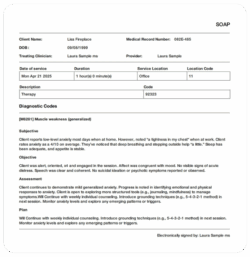
When crafting or choosing a couples counseling progress note template, it’s important to think about the breadth of information you need to capture to truly reflect the complexity of a couple’s journey. While various formats exist, such as SOAP (Subjective, Objective, Assessment, Plan) or BIRP (Behavior, Intervention, Response, Plan), the key is to adapt these to suit the unique requirements of working with two clients simultaneously within a shared dynamic. The template should be flexible enough to accommodate both individual expressions and relational interactions.
An effective template goes beyond merely jotting down what was discussed. It prompts you to record observations of how the couple interacts, the specific interventions you employed, and their immediate and anticipated responses. This comprehensive approach ensures that your notes are rich with clinical detail, providing a clearer picture of the session’s impact and guiding your planning for future sessions. It’s about creating a narrative of change and challenge that is easy to follow and reference.
Here are some key components that an effective template should include, ensuring you capture all the vital aspects of a couples counseling session:
- Client Information: Full names of both partners, date of session, session number.
- Presenting Issues: A brief summary of the main concerns brought up by the couple or individual partners at the start of the session.
- Observed Dynamics: Detailed notes on interaction patterns, communication styles, emotional expressions, nonverbal cues, and power dynamics between partners.
- Interventions Used: Specific therapeutic techniques or strategies employed during the session (e.g., reframing, active listening exercises, psychoeducation, conflict resolution skills training).
- Client Responses: How each partner responded to interventions, including insights gained, emotional shifts, resistance, or collaboration.
- Progress Towards Goals: Assessment of movement toward both shared relationship goals and individual goals. Note any breakthroughs, setbacks, or new challenges.
- Homework/Between-Session Tasks: Any specific assignments given to the couple or individuals to work on before the next session.
- Next Steps/Plan: Outline for the next session, including specific topics to address or skills to practice, and the scheduled follow-up date.
- Clinician’s Assessment: Your professional interpretation of the session, including your hypotheses about underlying issues, observed progress, and any adjustments to the treatment plan.
Choosing the right progress note template can significantly enhance your practice, making documentation more efficient and clinically valuable. It ensures that every session builds logically upon the last, providing a clear trajectory for the couple’s progress and offering invaluable insights for future interventions. Ultimately, a well-structured template supports better client care and contributes to the overall effectiveness of your therapeutic work.