In the demanding world of therapy, thorough and efficient documentation isn’t just a recommendation; it’s a cornerstone of effective practice. Progress notes serve as a detailed roadmap of each client’s journey, crucial for tracking interventions, monitoring progress, and ensuring continuity of care. They are vital for clinical decision-making, ethical responsibilities, and sometimes, for legal and insurance purposes.
When working with couples, the complexity of documentation increases significantly. You’re not just tracking the insights and behaviors of one individual, but the intricate dance between two people, their shared dynamics, and their individual contributions to the relationship’s challenges and growth. This is precisely where a well-designed couples therapy progress note template becomes an invaluable asset, streamlining your workflow and enhancing the quality of your records.
Having a specialized template means you can focus more on the therapeutic process itself during sessions, confident that your note-taking afterwards will be structured, comprehensive, and less time-consuming. It helps ensure that all critical aspects of the session are captured consistently, from each partner’s perspective to the overall relational patterns observed.
Why a Specialized Couples Therapy Progress Note Template is a Game Changer
Therapy with couples presents a unique set of challenges compared to individual sessions. You are balancing two distinct perspectives, tracking two sets of goals, and observing a dynamic interplay that constantly shifts. Documenting all of this effectively, while maintaining a clear and concise record, can feel overwhelming without the right tools. A generic progress note often falls short, struggling to capture the nuances of relational work.
A dedicated couples therapy progress note template, however, is designed to address these specific needs. It provides a structured framework that guides you through the essential elements of each session, ensuring consistency in your documentation practices. This consistency not only saves you precious time post-session but also improves the quality and readability of your notes, making it easier to track long-term progress and inform future interventions. It helps you stay organized and keeps the focus on both individual and relational growth.
Beyond efficiency, a specialized template ensures thoroughness. It prompts therapists to consider specific areas relevant to couples work, such as communication patterns, conflict resolution strategies, intimacy issues, and shared goals. By having these prompts, you’re less likely to overlook important details that could significantly impact the therapeutic process, ultimately leading to better outcomes for your clients.
Essential Elements to Look For
When choosing or designing your couples therapy progress note template, certain elements are crucial for capturing the richness of relational work. These components ensure that your notes are comprehensive, informative, and truly reflect the complexities of the couple’s journey.
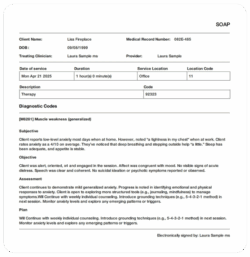
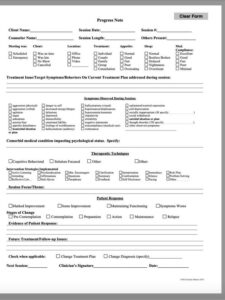
A robust template will typically include sections for:
* Date and Session Number
* Couple’s Identifying Information (ensuring confidentiality is maintained)
* Presenting Issues or Chief Complaint for the current session, highlighting what brought them in today.
* Goals of Therapy, both short-term and long-term, distinguishing between individual goals within the relationship context and shared relational goals.
* Interventions Implemented by the Therapist, detailing specific techniques or strategies used.
* Couple’s Response to Interventions, noting how each partner reacted and the overall couple dynamic observed.
* Progress Towards Goals, offering both objective and subjective observations of their movement forward.
* Homework Assigned, including any tasks or reflections for the couple to work on between sessions.
* Treatment Plan Adjustments, documenting any shifts in the therapeutic approach or focus.
* Next Session Plan, outlining the agenda or focus for the upcoming meeting.
By systematically documenting these aspects, you create a rich narrative of the couple’s progress, making it easier to recall details, collaborate with other professionals if necessary, and demonstrate the effectiveness of your therapeutic approach. It helps connect the dots between sessions and ensures that treatment remains focused and goal-oriented.
Streamlining Your Workflow with an Effective Template
The primary benefit of a well-crafted couples therapy progress note template extends far beyond just ticking boxes. It acts as a powerful tool to streamline your entire clinical workflow. Imagine leaving a session and knowing exactly what information you need to record, in what order, and with specific prompts to jog your memory about the nuances of the interaction. This reduces the mental load of note-taking, freeing up valuable time and energy that can be redirected towards client care or personal well-being.
Moreover, a standardized template supports ethical practice and legal compliance. By consistently capturing all necessary information, such as observed behaviors, reported feelings, interventions, and safety considerations, you establish a clear and defensible record. This is vital for accountability, especially in cases of supervision, consultation, or if ever faced with a legal challenge. It ensures that no critical details are missed, providing a thorough account of the therapeutic process.
Finally, an effective template is not a rigid cage but a flexible framework. While it provides structure, it should also allow for customization to fit your specific theoretical orientation and practice style. Whether you lean towards Gottman Method, emotionally focused therapy, or a systemic approach, your template can be adapted to highlight the aspects most relevant to your work. This personalization makes the documentation process feel more intuitive and aligned with your clinical identity, ultimately enhancing both your efficiency and the quality of your therapeutic services.
Having a robust system for documentation means you can offer the best possible care to your clients, secure in the knowledge that your administrative tasks are well-managed and effectively support your clinical work. It fosters a sense of preparedness and professionalism that benefits everyone involved in the therapeutic journey.