In the demanding field of social work, accurate and well-organized documentation is not just a best practice, it’s an ethical imperative. Every interaction, every assessment, and every intervention tells a part of a client’s story, and these details are crucial for continuity of care, professional accountability, and ultimately, the client’s well-being. Without clear, concise notes, the intricate mosaic of client services can quickly become muddled, leading to potential gaps in support and increased risk for both clients and practitioners.
This is where a robust social work case note template becomes an indispensable tool. It provides a structured framework that guides social workers through the documentation process, ensuring that all vital information is captured systematically. By standardizing the format, a template helps streamline workflow, reduces the chances of overlooking critical details, and makes it easier for other professionals to understand the client’s journey and ongoing needs. It transforms what can sometimes feel like a daunting administrative task into an efficient and effective part of client management.
Beyond mere organization, using a consistent template significantly enhances the quality of your case notes. It encourages objectivity, prompts reflective practice, and supports evidence-based decision-making. Whether you’re a seasoned professional or just starting out, adopting a well-designed template can elevate your practice, improve communication within multidisciplinary teams, and ensure that your documentation truly serves the best interests of those you support.
Crafting the Core: Essential Elements for Your Case Note Template
When building a reliable social work case note template, the goal is to create a blueprint that is both comprehensive and easy to use, capturing the nuances of client interactions without becoming overly cumbersome. Think of it as developing a standardized narrative arc for each client engagement, ensuring that every significant piece of information finds its proper place. This structure is fundamental for clarity, compliance, and effective service delivery, providing a clear historical record that can be reviewed, analyzed, and utilized by various stakeholders.
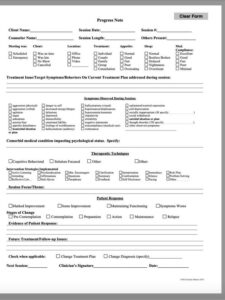
A truly effective template starts with the basics: clear identification. This includes the client’s full name, unique identification number, the date and time of the contact, and the specific location where the interaction occurred. These seemingly simple details are vital for accurate record-keeping and ensuring that notes are correctly attributed and easily retrievable. Without these foundational elements, even the most detailed narrative can lose its context, creating confusion down the line.
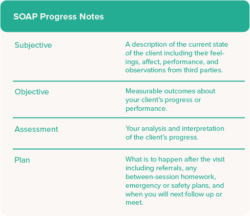
Next, the template should prompt you to detail the purpose of the contact. Was it a scheduled follow-up, an emergency intervention, a consultation, or something else entirely? Articulating the “why” immediately frames the entire interaction. Following this, the body of the note focuses on the “what” and “how.” This section demands an objective summary of the interaction, including factual observations, direct quotes from the client (when appropriate), and a clear description of the worker’s actions and interventions during the session. It’s crucial here to differentiate between objective reporting and subjective interpretation.
Moving beyond the interaction itself, a good template will then guide you into the assessment phase. This is where your professional expertise comes into play, as you analyze the information gathered, identify key issues, assess risks, and formulate your professional opinion regarding the client’s current situation and needs. This section often links back to the client’s treatment plan or goals, demonstrating how the current contact contributes to their overall progress. It is in this part that the worker’s clinical reasoning and analytical skills are most evident, bridging the gap between raw data and informed decision-making.
Finally, every effective case note template culminates with a clear plan and articulation of next steps. This includes any agreements made, referrals initiated, appointments scheduled, and the overall strategy moving forward. It’s essential to document who is responsible for what, by when, and any contingency plans. The note concludes with the social worker’s signature, date, and professional credentials, signifying accountability and authorship. This comprehensive approach ensures that each note is a complete snapshot of an interaction, contributing to a coherent and actionable client record.
- Client Demographics (Name, ID, Date of Birth)
- Date and Time of Contact
- Location and Type of Contact (In-person, phone, virtual)
- Purpose of Interaction
- Summary of Interaction (Client statements, Worker observations, Worker actions)
- Assessment of Situation (Worker’s professional analysis, risk factors, strengths)
- Plan and Next Steps (Goals, tasks, referrals, follow-up schedule)
- Worker’s Signature and Credentials
Adapting Your Template to Diverse Social Work Environments
While a core social work case note template provides an excellent foundation, the diverse landscape of social work demands a degree of flexibility. What works perfectly in a child welfare setting might need significant adjustments for a medical social worker or someone in a community mental health agency. The key is understanding the unique regulatory requirements, client populations, and service delivery models inherent to each environment, and then tailoring your template to meet those specific demands.
For instance, a template used in a child protection agency might include dedicated sections for documenting suspected abuse indicators, safety plans, legal mandates, and court dates. In contrast, a template for a hospital social worker would likely emphasize medical diagnoses, discharge planning, interdisciplinary team communications, and resource acquisition for post-hospital care. Similarly, mental health settings often require specific fields for mental status exams, crisis intervention protocols, and adherence to specific therapeutic modalities. The universal elements remain, but the specialized sections ensure that context-specific information is not overlooked.
Continuously evaluating and refining your template is a sign of good practice. As policies change, new best practices emerge, or your agency’s needs evolve, your template should adapt accordingly. Soliciting feedback from colleagues, attending relevant training, and staying informed about professional standards can all contribute to creating a living document that truly supports effective and compliant documentation across various social work domains. This iterative process ensures that your templates remain relevant and maximally useful.
Consistent and high-quality documentation is the bedrock of ethical and effective social work practice. By embracing the structure and guidance offered by a well-designed template, social workers can ensure that every client interaction is meticulously recorded, contributing to a holistic and accurate client record. This diligence not only protects the practitioner and the agency but, most importantly, enhances the continuity and quality of care provided to vulnerable individuals and families.
Investing time in developing or customizing a robust documentation framework is an investment in professional excellence and client well-being. It empowers social workers to focus more on direct client engagement, secure in the knowledge that their administrative responsibilities are being met with precision and thoroughness, ultimately fostering better outcomes for everyone involved.