In the demanding field of obstetrics and gynecology, precise and comprehensive documentation is not just a regulatory requirement, it is the cornerstone of excellent patient care. Every visit, every consultation, and every procedure needs to be meticulously recorded to ensure continuity of care, facilitate accurate diagnoses, and support effective treatment plans. Without a clear and consistent system, vital information can be missed, leading to potential complications or less-than-optimal patient outcomes.
This is precisely where an effective ob gyn progress note template becomes an invaluable tool. It provides a structured framework that guides healthcare professionals through the essential elements of each patient encounter, ensuring that no critical detail is overlooked. From initial symptoms to final treatment plans, a well-designed template helps streamline the documentation process, saving precious time while simultaneously enhancing the quality of recorded information.
Adopting a standardized approach to progress notes can significantly improve workflow efficiency and reduce the burden of administrative tasks. It helps ensure consistency across different providers within a practice, makes information easily accessible for subsequent visits or consultations, and ultimately contributes to a safer and more organized healthcare environment for both patients and practitioners.
The Anatomy of an Effective OB GYN Progress Note Template
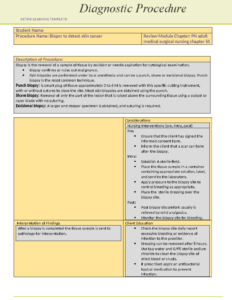
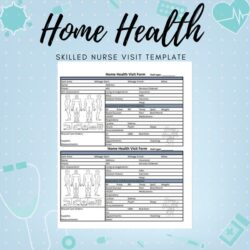
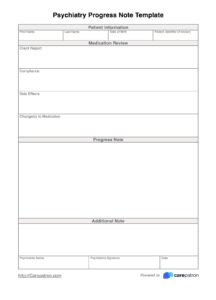
Crafting a comprehensive progress note is crucial, and an excellent ob gyn progress note template typically follows a well-established structure, often based on the SOAP format (Subjective, Objective, Assessment, Plan). This systematic approach ensures that all relevant aspects of a patient visit are captured in a logical and easily retrievable manner. Each section plays a vital role in painting a complete picture of the patient’s condition and the care provided.
The “Subjective” section is where the patient’s own story takes center stage. This part of the note should meticulously document their chief complaint, expressed in their own words, along with any accompanying symptoms, their duration, severity, and any alleviating or exacerbating factors. For OB/GYN patients, specific details like their last menstrual period (LMP), estimated due date (EDD), gravidity and parity, history of previous pregnancies, or specific gynecological concerns are paramount. It is also important to record any relevant social history, current medications, allergies, and review of systems as reported by the patient.
Key Subjective Elements to Consider:
Following the subjective details, the “Objective” section provides factual, measurable, and observable data gathered by the clinician. This includes vital signs, physical examination findings specific to the OB/GYN context (e.g., abdominal exam, pelvic exam findings, fetal heart tones), and results from any diagnostic tests performed or reviewed during the visit. Laboratory results, imaging reports, and screening outcomes (like Pap smear results) are all integral components here, offering empirical evidence to support the assessment.
The “Assessment” section is where the clinician synthesizes the subjective and objective data to formulate a professional opinion. This includes primary diagnoses, differential diagnoses, and a summary of the patient’s overall status. For obstetric patients, this might involve assessing fetal growth, risk factors for complications, or progress of labor. For gynecological patients, it could be the diagnosis of a specific condition or the evaluation of treatment efficacy. This section demonstrates the clinician’s thought process and interpretation of the collected information.
Finally, the “Plan” section outlines the course of action. This is where the clinician details the proposed management strategy, including further diagnostic tests, medications prescribed or adjusted, referrals to specialists, patient education provided, and specific follow-up instructions. In an OB/GYN setting, this might involve prenatal vitamin recommendations, advice on diet and exercise during pregnancy, contraceptive counseling, or scheduling the next antenatal visit or surgical procedure. A well-articulated plan ensures clear communication with the patient and other healthcare providers.
Streamlining Your Workflow with a Digital OB GYN Progress Note Template
The evolution of healthcare technology has brought digital solutions to the forefront, and incorporating a digital ob gyn progress note template into your electronic health record (EHR) system can dramatically enhance practice efficiency. Moving beyond paper forms, digital templates offer a host of advantages, from improved legibility and accessibility to robust search functions and seamless integration with other patient data. This transition can transform how patient information is managed and utilized within a busy OB/GYN practice.
Digital templates allow for easy customization and pre-population of data, reducing repetitive entries and the chances of human error. Clinicians can create specific templates for different types of visits—such as initial prenatal appointments, routine follow-ups, post-partum checks, or specific gynecological complaints—ensuring that the most relevant information is prompted for each scenario. This adaptability means that the template truly serves the diverse needs of an OB/GYN practice, encompassing everything from preventative care to complex disease management.
Furthermore, a digital ob gyn progress note template facilitates better collaboration among healthcare teams. Notes can be instantly shared with referring physicians, specialists, or other members of the care team, ensuring everyone is working with the most current information. This not only improves coordination of care but also reduces the likelihood of duplicated tests or conflicting advice, ultimately leading to a more cohesive and patient-centered approach to healthcare delivery.
Adopting a structured and consistent approach to progress notes is more than just a matter of compliance; it is a fundamental aspect of delivering high-quality, patient-centered care. By ensuring every detail is captured accurately and efficiently, healthcare providers can build a comprehensive record that supports clinical decision-making and fosters trust with their patients. This diligent documentation safeguards both the patient’s well-being and the integrity of the medical practice.
Investing time in developing or selecting the right templates and training staff on their effective use will undoubtedly pay dividends in terms of improved workflow, enhanced patient safety, and reduced administrative burden. The clarity and thoroughness of your notes reflect directly on the quality of care provided, ensuring that every patient receives the attention and precision they deserve throughout their obstetric and gynecological journey.