In the demanding world of dentistry, meticulous record-keeping isn’t just a good practice; it’s an absolute necessity. Every procedure, every patient interaction, and every decision made needs to be documented with precision and clarity. This is particularly true for scaling and root planing (SRP) procedures, which are foundational treatments for periodontal disease. Without a robust system for documentation, crucial details can be missed, leading to potential complications in patient care, insurance claims, or even legal matters.
Imagine trying to recall specific pocket depths, calculus levels, or the exact areas treated for dozens of patients over months or even years. It’s an impossible task for even the most seasoned dental professional. This is where a well-designed scaling and root planing note template becomes an invaluable tool, transforming a potentially chaotic task into a streamlined, efficient, and highly accurate process. It ensures consistency, covers all necessary information, and ultimately supports better patient outcomes.
By standardizing your approach to clinical notes, you not only save precious chairside time but also enhance the quality of your documentation. A comprehensive template acts as a guide, prompting you to capture all relevant details, from pre-treatment assessments to post-procedure instructions, ensuring that nothing important is overlooked. This consistency is vital for tracking patient progress, facilitating communication among dental team members, and providing robust evidence for insurance submissions or audits.
The Anatomy of a Comprehensive Scaling and Root Planing Note Template
Creating detailed and accurate clinical notes for scaling and root planing is more than just ticking boxes; it’s about painting a clear, concise picture of the patient’s condition, the treatment rendered, and the plan moving forward. A well-structured template guides dental professionals through the critical elements of documentation, ensuring that every significant detail is captured. This not only supports excellent patient care but also serves as a legal document, providing a comprehensive record of the services provided.
Such a template typically begins by establishing the patient’s identity and relevant medical history, which can significantly influence treatment decisions. It then moves into the specifics of the periodontal assessment, including crucial data like probing depths, recession, bleeding on probing, and mobility. Capturing this baseline information is essential for evaluating the effectiveness of the treatment and monitoring the patient’s periodontal health over time. Without these initial measurements, it’s challenging to objectively assess improvement or detect potential issues.
Patient Information and Medical History
Every note should start with accurate patient demographics, including their name, date of birth, and date of the visit. A concise summary of their relevant medical history, allergies, and current medications is paramount. This section ensures patient safety by highlighting any contraindications or necessary precautions that might impact the SRP procedure, such as anticoagulant use or specific heart conditions.
Pre-Treatment Assessment
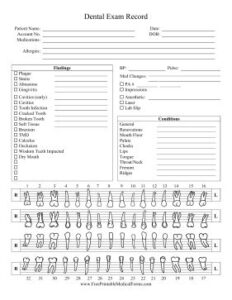
This is where the objective data about the patient’s periodontal health is recorded. It includes a detailed periodontal charting with measurements for all teeth, identification of calculus levels (supragingival and subgingival), and any signs of inflammation or infection. Radiographic findings that indicate bone loss or other pathologies should also be noted. This comprehensive assessment forms the basis for the diagnosis and treatment plan.
Treatment Details
This section is the core of the clinical note, describing the actual procedure performed. It should be highly specific and include details such as the type and amount of local anesthetic administered, the specific teeth or quadrants treated, the instruments used (e.g., ultrasonic scalers, hand curettes), and any adjunctive therapies applied (e.g., localized antimicrobials, laser therapy). Any challenges encountered during the procedure, such as difficult access or patient discomfort, should also be documented. The goal is to provide enough detail that another clinician could understand exactly what was done and why.
- Date and time of treatment
- Anesthesia used (type, amount, location)
- Areas treated (e.g., Quadrant 1, teeth #3-5)
- Calculus level removed (light, moderate, heavy)
- Instrument types utilized (ultrasonic, manual curettes, files)
- Irrigation solution used (e.g., chlorhexidine)
- Any adjunctive therapies provided (e.g., Arestin, PerioChip)
- Patient tolerance and any adverse events
Post-Treatment Instructions and Follow-up Plan
Before the patient leaves, clear post-operative instructions are vital for their recovery and the success of the treatment. This includes advising on pain management, oral hygiene practices (e.g., gentle brushing, flossing), dietary recommendations, and what to expect in terms of healing. Equally important is the outlining of the follow-up plan, including the date of the next periodontal recall appointment and any referrals to specialists. This ensures continuity of care and helps maintain the improved periodontal health achieved through SRP.
Leveraging a Digital Scaling and Root Planing Note Template for Efficiency
The transition from paper charts to digital records has revolutionized dental practices, offering unprecedented levels of efficiency, accuracy, and accessibility. For complex procedures like scaling and root planing, utilizing a digital scaling and root planing note template within your practice management software can significantly enhance workflow and compliance. No longer are you flipping through pages or deciphering handwritten notes; instead, information is readily available, consistently formatted, and easy to update.
Digital templates allow for greater standardization across the entire practice. With dropdown menus, checkboxes, and auto-fill features, the risk of missing critical information is drastically reduced. This ensures that every clinician, regardless of their individual note-taking style, captures all the essential data required for a comprehensive SRP note. Moreover, the ability to integrate these notes directly with patient charts, imaging, and billing systems streamlines administrative tasks and improves overall data management.
The benefits of moving to a digital system extend beyond just note-taking. It significantly enhances security, allowing for controlled access and robust backup systems, safeguarding sensitive patient information. Furthermore, digital notes are easily searchable and retrievable, which is incredibly useful for reviewing patient history, preparing for recall appointments, or responding to insurance inquiries. This embrace of technology transforms documentation from a burdensome necessity into a powerful asset for any modern dental practice.
A well-implemented template streamlines the entire process, freeing up valuable time for dental professionals to focus more on patient care and less on administrative burdens. It empowers the practice to deliver consistent, high-quality care while maintaining impeccable records, ultimately contributing to a thriving and compliant dental practice.