The final phase of any building project can feel like a marathon where the finish line keeps moving further away just as you think you are about to cross it. You have spent months or even years getting every structural element and major system in place, but as the deadline approaches, those tiny details start to pile up. This is exactly where a reliable punch list template for construction becomes your best friend and your most important tool for project closure. It acts as a detailed roadmap to ensure that every loose screw, paint chip, or missing outlet cover is addressed before you officially hand over the keys to the owner. Without a clear system, these small items can turn into massive headaches that delay your final payment and leave the client feeling frustrated with the quality of your work.
Think about the last time you walked through a job site right before completion. It is incredibly easy to spot the big things like a missing door or an unpainted wall, but the small stuff often blends into the background when you are tired. A punch list is essentially a formal to-do list of items that do not meet the contract specifications or simply need a bit of extra polish to be considered perfect. By formalizing this process, you create a clear line of communication between the general contractor, the subcontractors, and the client. It takes the guesswork out of the final inspection and provides a professional way to wrap up the project on a high note. This article will help you understand how to structure your close out process so you can finish every job with confidence and excellence.
Breaking Down the Components of a Successful Completion Plan
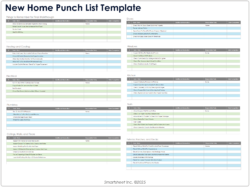
To get the most out of your walkthrough, you need to understand that a punch list is more than just a random collection of notes on a piece of scrap paper. It should be a structured document that provides clear instructions for everyone involved. A great list starts with a thorough inspection of every room and exterior area. You want to look at the project through the eyes of the owner, who will likely be looking for perfection. This means checking the functionality of every window, the smoothness of every drawer, and the consistency of the finish on every surface. When you document these items, you need to be as specific as possible so there is no confusion later on about what needs to be fixed.
Communication is the heartbeat of a successful construction project, and the final list is the ultimate communication tool. Each item on the list should be assigned to a specific person or subcontractor who is responsible for the fix. If you simply write down that a wall needs touch up paint without saying which wall or who should do it, the task will likely remain unfinished. You also need to include a priority level and a deadline for each task. Some items might be minor aesthetic issues, while others could be functional problems that prevent the building from being occupied. Setting clear expectations helps everyone manage their time and ensures that the most critical tasks are handled first.
Another vital part of the process is the verification step. Once a subcontractor claims they have finished a task on the list, someone needs to go back and verify that the work meets the required standards. This prevents the back and forth that often happens during the final days of a project. By having a column in your document for initials and dates of completion, you create a paper trail that protects everyone involved. It shows the client that you are diligent and organized, which builds trust even if there were many items to address initially. This level of detail turns a potentially stressful situation into a manageable series of small victories.
While every project is different, there are several common categories that you should always include in your final inspection. Organizing your thoughts by trade or by room can make the process much faster and more efficient. Here are some of the standard areas you should focus on during your final walkthrough:
- Interior wall finishes and paint consistency across all rooms
- Functionality of all electrical outlets and light switches
- Proper installation and operation of plumbing fixtures and faucets
- Alignment and hardware operation for all doors and windows
- Cleanliness of floors and removal of any construction debris
- Verification that all appliances are installed and working correctly
- Checking the exterior siding and trim for gaps or damage
Transitioning from Manual Methods to Digital Efficiency
In the past, many contractors relied on a physical clipboard and a pen to manage their final inspections, but the industry is moving toward more streamlined solutions. While a paper version can work for very small residential jobs, using a digital punch list template for construction allows you to share updates instantly with your entire team. Imagine taking a photo of a scratched floor and immediately uploading it to a shared document where the flooring subcontractor can see it on their phone. This eliminates the need for repeated phone calls and ensures that everyone is looking at the same information in real time. Digital tools also make it easier to track progress over several days or weeks.
The beauty of a modern template is its ability to hold people accountable without the need for constant micromanagement. When a task is updated in a digital system, it can trigger a notification to the project manager, allowing them to schedule the final walkthrough as soon as the last item is checked off. This speed is essential for maintaining a positive relationship with the client. Most owners are eager to move in or start using their new space, and every day saved in the punch list phase is a day that adds to their overall satisfaction. Transitioning to a more organized digital format also allows you to analyze data over time to see if certain subcontractors consistently leave the same types of errors.
Ultimately, the goal of using a structured template is to create a sense of finality and professionalism. It gives the client a clear point where they can agree that the work is finished and the final payment is due. Without this formal sign off process, projects can drag on indefinitely with small requests trickling in for months. By setting a clear start and end point for the punch list phase, you protect your profit margins and allow your team to move on to the next project with a clean slate. It is about closing the loop and ensuring that the high quality of your work is the last thing the client remembers.
Conclusion and Final Thoughts on Project Success
Completing a construction project is a massive achievement that requires coordination, skill, and a lot of patience. The final walkthrough and the subsequent list of corrections are the last hurdles you must jump to ensure the project is a total success. By using a standardized approach, you minimize the risk of disputes and ensure that nothing important falls through the cracks. A well organized process reflects the quality of your brand and tells your clients that you care about the details just as much as they do. It transforms the final weeks of a project from a chaotic scramble into a disciplined march toward completion.
As you look forward to your next project, consider how a clear system can improve your workflow and your reputation in the industry. Taking the time to set up a proper framework for your final inspections will pay dividends in the form of happier clients and fewer return trips to the job site. Construction is a difficult business, but having the right tools in place makes it much easier to handle the pressure of the finishing stages. Start implementing a more formal process today, and you will see a noticeable difference in how smoothly your projects wrap up and how quickly you can move toward your next big success.