Life has a funny way of throwing curveballs when we least expect them. Whether it is a sudden move to a new city, an unexpected natural disaster, or even just the realization that you have accumulated a lot of stuff over the years, staying organized is key. One of the smartest things you can do for your future self is to start using a personal property inventory list template to track everything you own. It might seem like a daunting task at first, but having a clear record of your belongings can save you a world of stress down the road.
Most of us do not realize how much we actually own until we have to move it or, heaven forbid, replace it. From the kitchen gadgets you use every day to the heirloom jewelry tucked away in a drawer, every item has value. Keeping a detailed log ensures that you are never left guessing about what was in that one box or how much that high-end blender actually cost when you bought it three years ago. It is about taking control of your environment and being prepared for whatever comes next.
Why Keeping a Detailed Inventory is a Game Changer
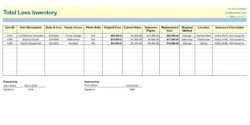
The primary reason most people start this process is for insurance purposes. If your home were ever affected by a fire, flood, or theft, your insurance company would require a detailed list of lost items to process your claim. Without a record, you are relying entirely on your memory during a very stressful time. Having a pre-made list allows you to provide documentation quickly, which often results in a smoother and faster reimbursement process. It acts as a bridge between the loss and the recovery of your assets.
Beyond insurance, an inventory is incredibly helpful for simple organization and decluttering. As you go through each room to log your items, you will likely find things you no longer need or use. This is the perfect opportunity to donate, sell, or recycle items that are just taking up space. It turns a chore into a productive home management project that leaves your living space feeling lighter and more intentional. You become more aware of your shopping habits and what items truly bring value to your life.
It is also a vital tool for estate planning or making a will. By having a clear list of your significant assets and personal items, you can easily designate who should receive what. This prevents confusion among family members and ensures that your cherished belongings end up exactly where you want them to go. It provides a level of clarity that verbal promises simply cannot match, giving you the assurance that your wishes will be respected in the future.
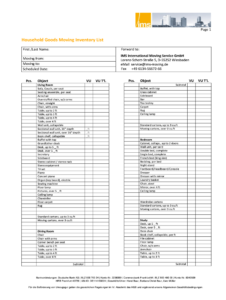
When you are filling out your personal property inventory list template, there are several key categories you should focus on to ensure nothing gets missed. Breaking it down room by room is usually the most effective strategy. Think about the big-ticket items first, then fill in the smaller details as you go. Here are some of the most common categories you might want to include in your documentation:
- Electronics like laptops, cameras, and televisions
- Furniture including sofas, dining sets, and bed frames
- Appliances such as refrigerators, washers, and dryers
- Jewelry and high-value collectibles
- Clothing and high-end fashion accessories
- Tools and outdoor equipment in the garage
Best Practices for Managing Your Property List
Once you have your template ready, the best way to start is by taking photos or videos of every room. Visual evidence is incredibly powerful and serves as a backup to your written descriptions. Capture close-ups of serial numbers on electronics and any brand names or labels on furniture. These visuals provide undeniable proof of ownership and the condition of the items at the time the inventory was created. It is much easier to remember the brand of a television when you have a photo of the model number sitting in your digital files.
Documentation is another critical layer of a good inventory. If you still have receipts, scan them or take a photo and attach them to the corresponding item in your list. For older items where a receipt is long gone, try to estimate the purchase date and price. While it might not be perfectly accurate, it gives a baseline for value. You should also consider getting professional appraisals for high-ticket items like fine art or vintage jewelry to ensure their true value is documented properly for your records.
Finally, remember that your inventory is a living document. As you buy new things or get rid of old ones, take a few minutes to update your records. Many people find it helpful to set a reminder on their calendar to review their list once or twice a year. Keeping your data in a cloud-based storage system is also a smart move, as it ensures you can access the information from anywhere, even if your physical computer or home is inaccessible. This constant maintenance keeps the document relevant and useful at all times.
Taking the time to create a comprehensive list of your belongings might feel like a big project, but the peace of mind it offers is truly priceless. You are essentially creating a safety net for your household, protecting your financial interests and your memories all at once. It turns the “what ifs” of life into manageable situations because you have the data and the documentation to back you up. Instead of worrying about what you might lose, you can focus on enjoying the things you have.
Start small if you have to, maybe just one room or even one closet at a time. The most important step is simply getting started and making progress. Once you see how much easier it makes your life and how much more organized you feel, you will wonder why you did not do it sooner. Protect your investments and simplify your life by taking control of your personal property documentation today. It is a gift of security and clarity that you can give to yourself and your family.