Bringing a construction project to a close is an exciting time, but it’s also one of the most critical phases to ensure everything meets the highest standards. This is where a robust construction project punch list template becomes an indispensable tool. It helps you systematically identify, track, and rectify any outstanding items or deficiencies before handing over the keys, ensuring that every detail is perfect and client expectations are not just met, but exceeded.
Without a structured approach, the final stages of a project can quickly devolve into chaos, leading to forgotten tasks, delayed payments, and potentially strained relationships with clients and subcontractors. Imagine the frustration of discovering a crucial detail missed weeks after the project was declared complete, necessitating costly rework and impacting your reputation.
A well-designed template simplifies this complex process, providing a clear roadmap to a flawless finish. It acts as a standardized checklist, ensuring consistency across all your projects and leaving no stone unturned in the pursuit of perfection. This proactive approach not only saves time and money but also fosters trust and satisfaction among all stakeholders.
What Makes a Great Construction Project Punch List Template?
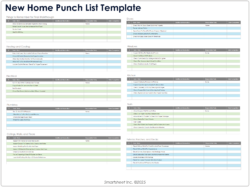
A punch list, at its core, is a document generated near the end of a construction project that itemizes work that is not in compliance with contract documents, or is incomplete. It lists small tasks, adjustments, and corrections needed before final project acceptance. A great template goes beyond a simple checklist; it’s a comprehensive tool designed for clarity, accountability, and efficient resolution.
The primary purpose of using a template is to standardize the identification and resolution process. It ensures that every item, no matter how minor, is captured and assigned, preventing ambiguity and fostering a systematic approach to project closeout. This standardization is key to maintaining quality control and professional standards across all your jobs.
Key elements are crucial for any effective template. You’ll want dedicated fields for project details like the project name, location, and the date the punch list was created. Beyond that, each individual item needs its own unique identifier or item number, a clear description of the deficiency or outstanding task, and its specific location within the project – for example, “Master Bathroom – leaky faucet” or “Kitchen – scuff mark on wall near pantry door.”
Essential Fields for Clarity and Accountability
Elaborating on the “Description of the item” and “Location” fields is vital. A vague description like “fix issue” is useless. Instead, strive for highly specific language: “Paint touch-up needed on north wall of living room, approx. 1 sq ft, near ceiling molding” or “Replace cracked tile on shower floor, second row from drain.” Detailed locations help teams quickly pinpoint the problem area without guesswork. The more precise you are here, the faster the issue can be addressed.
Equally important are fields for the “Responsible Party” and “Priority Level.” Knowing exactly which subcontractor or team member is accountable for a specific item removes any room for finger-pointing and speeds up resolution. A priority level, such as “High,” “Medium,” or “Low,” guides your team on which items need immediate attention versus those that can be addressed slightly later, optimizing resource allocation.
Further tracking fields include the “Status” (e.g., open, in progress, pending inspection, complete), the “Date Identified,” the “Target Completion Date,” and the “Actual Completion Date.” These dates are critical for monitoring progress and ensuring deadlines are met. A “Sign-off” field, where the project manager or client can verify completion, closes the loop and formally documents that the item has been resolved to satisfaction.
Consider also adding space for notes and even photo attachments. A picture truly is worth a thousand words when documenting a defect. This visual evidence can prevent disputes and provide undeniable proof of the issue, making communication much clearer between all parties involved. Remember, a truly great construction project punch list template is adaptable and can be customized to suit the unique demands of different project types and sizes.
Implementing Your Construction Punch List Template Effectively
Creating the punch list is a collaborative effort, typically initiated as the project nears completion, usually during a preliminary walk-through. This inspection involves the general contractor, the project superintendent, and often the client or their representative. Subcontractors whose work is being reviewed may also be present, ensuring they understand their responsibilities firsthand. The goal is to catch all deficiencies and incomplete items before the final handover.
During the walk-through, each identified item is meticulously documented using the template. It’s not just about noting what’s wrong; it’s about providing enough detail for the responsible party to understand the exact scope of work required to fix it. This means clear descriptions, precise locations, and often, immediate photographic evidence captured on site. Good communication at this stage is paramount to avoid misunderstandings later on.
Once the punch list is compiled, it becomes a living document that needs active management. Regular meetings should be held with subcontractors to review outstanding items, assign new ones, and set realistic completion deadlines. As items are addressed, their status must be updated on the template, and completed tasks should be verified through follow-up inspections. This continuous cycle of identification, assignment, resolution, and verification ensures nothing slips through the cracks.
- Regular communication with all parties involved, ensuring everyone is aware of their assigned tasks and deadlines.
- Clear assignment of tasks, leaving no ambiguity about who is responsible for each item.
- Setting realistic deadlines for resolution, avoiding unnecessary pressure while maintaining momentum.
- Verification of completed items by the project manager or client to ensure quality and satisfaction.
- Using digital tools for efficiency, allowing real-time updates and accessibility for all team members.
Utilizing a well-structured and actively managed punch list template is more than just a procedural step; it’s a commitment to quality and client satisfaction. It streamlines the final stages of a project, transforming what could be a contentious period into a smooth, efficient process. By meticulously addressing every detail, you ensure that the project is delivered to the highest standards, reinforcing your reputation for excellence and professionalism in the industry. The thoroughness and clarity provided by a good template will not only prevent costly disputes but also lay the groundwork for future successful collaborations.