Life can throw unexpected curveballs our way, and while we all hope for smooth sailing, being prepared for emergencies is one of the most loving things you can do for your family. That is where a reliable family emergency contact list template comes into play. It acts as a safety net, ensuring that no matter what happens, everyone knows who to call, what to do, and where to find critical information. Think of it as your family’s personal emergency preparedness superpower.
The thought of an emergency can be daunting, bringing with it a whirlwind of emotions and potential chaos. During such stressful times, our minds might not be at their sharpest. Having all essential contacts and instructions laid out clearly can make a world of difference, turning panic into proactive steps. It provides peace of mind, not just for you but for every member of your household, knowing that a comprehensive plan is in place.
This article will guide you through understanding why such a list is indispensable, what crucial information it should contain, and how to effectively create and maintain one for your family. Our aim is to empower you to build a robust safety plan that is both practical and easy to use, making sure your loved ones are always connected and supported, even when you cannot be there in person.
Why a Family Emergency Contact List is Absolutely Essential
In an ideal world, emergencies would never happen. But the reality is that sudden illnesses, accidents, natural disasters, or even simple miscommunications can arise without warning. Imagine a scenario where you are at work and your child’s school needs to contact you urgently, but your phone is dead. Or a sudden storm causes a power outage, and you need to reach an elderly relative. These are the moments when a well-organized emergency contact list becomes invaluable.
During a high-stress situation, thinking clearly and remembering phone numbers, medical details, or even the name of your family doctor can be incredibly challenging. The emotional toll can cloud judgment, leading to precious time being lost. A printed or easily accessible digital family emergency contact list template removes this burden, providing instant access to all necessary information without the need to scramble or guess.
This list isn’t just for primary caregivers. It’s a critical tool for anyone who might be looking after your children, such as babysitters, grandparents, or even older siblings. If an emergency occurs while you’re away, they won’t be left wondering who to call or what medical information to relay. It empowers them to act swiftly and confidently, knowing they have your full support and guidance at their fingertips.
Furthermore, a comprehensive contact list helps bridge communication gaps if family members are separated during a widespread event, like a natural disaster. It can include out-of-town contacts who can serve as a central communication point if local lines are down, ensuring everyone can eventually reconnect and account for one another. This foresight can alleviate immense anxiety during uncertain times.
Beyond just phone numbers, a robust emergency contact list serves as a repository for other critical details. It can guide emergency responders to important medical information, alert them to allergies, or even point them to the location of important documents. This level of detail can significantly improve the speed and effectiveness of any emergency response, potentially saving lives or mitigating damage.
Ultimately, investing time in creating and maintaining a family emergency contact list is an investment in your family’s safety and your own peace of mind. It transforms potential chaos into order, allowing you to face unforeseen circumstances with a greater sense of control and preparedness.
Key Information Your Template Should Feature
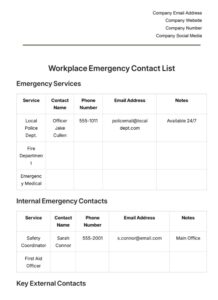
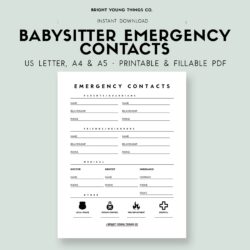
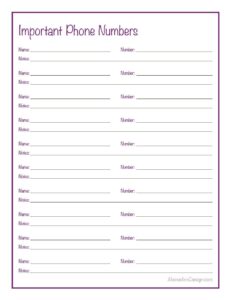
When you sit down to compile your list, think broadly about all the individuals and services you might need to contact in various scenarios. Start with the obvious: immediate family members, including their full names, primary and secondary phone numbers, and email addresses. Include out-of-town relatives or close friends who could act as an alternative contact if local communications are compromised.
Next, gather all pertinent medical information. This should encompass your family doctor’s name and number, any specialists, your preferred pharmacy, and importantly, insurance policy numbers and group IDs. Don’t forget to list any known allergies, chronic conditions, or medications each family member is taking. This data is vital for medical professionals in an emergency.
Beyond medical, think about your children’s schools or daycare centers, including their main office numbers and any specific emergency contacts they provide. If you have pets, include your veterinarian’s contact details and perhaps a trusted neighbor who could check on them if you’re unable to.
Consider including contact information for non-emergency services that might become critical during a crisis, such as your utility companies (electricity, gas, water) in case of outages or leaks. A home insurance policy number and agent contact can also be beneficial if your property is affected.
Finally, dedicate a section for critical non-contact information. This could include a designated out-of-home meeting point, the location of important documents like passports or birth certificates, or even a brief note about where spare house keys are kept. The more comprehensive your list, the more prepared you will be for any eventuality.
Crafting and Maintaining Your Emergency Information
Creating a family emergency contact list is not a one-time task; it is an ongoing commitment to your family’s safety. Once you’ve gathered all the necessary information, the next crucial step is to organize it in a clear, accessible way and establish a system for keeping it current. This living document will evolve as your family grows and circumstances change, so a regular review schedule is key.
Start by choosing a format that works best for your family. While a physical, printed copy is essential, consider a digital version as well, perhaps stored securely on a cloud service or an encrypted USB drive. The most important thing is that it is easy to read and understand, even under stress, and that it is readily available to those who might need it. Avoid overly complex designs; simplicity is your friend in an emergency.
Distribute your completed list thoughtfully. Place copies in prominent, easy-to-find locations in your home, such as on the refrigerator, near the main phone, and in your emergency go-bags. Share copies with trusted neighbors, close family members who live nearby, and anyone who regularly cares for your children. Ensure they understand its importance and how to use it effectively.
- Choose a clear and easy-to-read format for your list.
- Gather all contact and medical information meticulously.
- Print multiple physical copies to store in various accessible locations.
- Create a secure digital backup on a cloud or encrypted drive.
- Share copies with trusted friends, family, and caregivers.
- Review and update all information at least once a year, or whenever major changes occur.
Regularly updating your emergency contact list is paramount. Phone numbers change, doctors move, children switch schools, and new allergies can develop. Make it a habit to review the entire list at least annually, perhaps at the start of a new school year or during a particular season. Immediately update it when significant changes occur, such as a new job, a move, or a change in medical conditions.
By dedicating time to both creation and consistent maintenance, you are building a robust and reliable safety net for your family. This proactive approach ensures that when unforeseen circumstances arise, you have a clear roadmap to navigate the challenges, minimizing stress and maximizing your family’s ability to stay safe and connected.