Moving to a new home is an exciting adventure, but let’s be honest, it can also feel like navigating a maze blindfolded. Among the boxes, the packing tape, and the seemingly endless tasks, one tool stands out as an absolute game-changer for maintaining sanity and order: a house moving inventory list template. This isn’t just another piece of paper to add to your moving binder; it’s your personal assistant, your security guard, and your best friend throughout the entire relocation process, ensuring nothing gets left behind or lost in transit.
Imagine the peace of mind knowing exactly what’s in each box, where it’s supposed to go, and confirming everything arrives safely at your new doorstep. This level of organization transforms what could be a chaotic experience into a streamlined, manageable project. It allows you to tackle the packing and unpacking with confidence, reducing the likelihood of last-minute scrambles or frustrating searches for essential items.
Our goal here is to guide you through not just the "what" but also the "how" of using an inventory list effectively. We’ll explore why this simple document is indispensable, what crucial details you should include, and practical tips to make your next move the smoothest one yet. Get ready to embrace an organized move that allows you to focus more on the joy of settling into your new space and less on the stress of getting there.
Why a Moving Inventory List is Your Best Friend
A well-crafted moving inventory list is much more than just a tally of your possessions; it’s a strategic tool that offers a multitude of benefits, saving you time, money, and considerable stress. At its core, it brings an unparalleled level of organization to a process that often feels inherently disorganized. You might think you can remember what’s in every box, but once you hit double-digit boxes, and especially triple-digit, those memories tend to fade under the pressure.
Firstly, it acts as a comprehensive record of all your belongings. As you pack each box, listing its contents on an inventory sheet attached to a unique box number means you’ll never again open a box wondering if it contains kitchen utensils or children’s toys. This clarity significantly speeds up the packing phase, as you develop a systematic approach, and even more so during the unpacking phase, allowing you to prioritize boxes for essential items.
Beyond mere organization, an inventory list serves as a critical security measure. In the rare but unfortunate event of items going missing or being damaged during the move, your detailed list provides undeniable proof of ownership and condition. This is invaluable when dealing with moving companies, allowing you to quickly identify discrepancies and hold them accountable for any lost or damaged goods. Without such a list, disputes can become lengthy and challenging to resolve.
Furthermore, consider the insurance implications. Most homeowner’s or renter’s insurance policies offer some coverage for personal belongings during a move, but making a claim without an inventory can be incredibly difficult. A thorough inventory, especially one that includes photographs or approximate values, acts as concrete evidence for your insurance provider, streamlining the claims process and ensuring you receive fair compensation for any losses.
The ability to easily identify fragile items or boxes containing essentials like medications, important documents, or first-night necessities is another huge advantage. By clearly marking these on your inventory, you can instruct movers on special handling requirements and ensure that vital items are kept separate and easily accessible upon arrival, avoiding desperate searches through dozens of boxes after a long moving day.
Ultimately, the greatest benefit of using an inventory list is the significant reduction in stress and anxiety. Moving is notoriously stressful, but feeling in control of your possessions and knowing exactly where everything is provides a deep sense of peace. It transforms the overwhelming task of moving into a series of manageable steps, making the entire journey smoother and far more enjoyable, right up until you unlock the door to your new home.
What to Include in Your Inventory
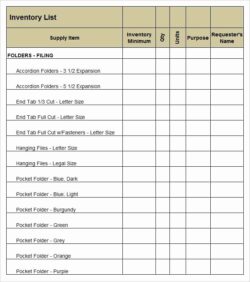
When you’re creating your inventory, think comprehensively. For each box, you’ll want a unique box number, a brief list of its main contents (e.g., "Kitchen – Pots and Pans," "Master Bedroom – Linens"), the room it belongs in at the new house, and perhaps a note on whether it’s fragile or contains essentials. For high-value items, you might even consider adding a photo or estimated value.
Categorizing Your Belongings
Grouping your items by room or type before you even start packing can save you a lot of time. Have separate lists for kitchen, living room, bedrooms, bathroom, garage, and a special "essentials" box list. This system makes it easy to cross-reference items as they come off the moving truck and direct them to the correct area in your new home.
How to Use Your House Moving Inventory List Template Effectively
Using your house moving inventory list template isn’t just about filling it out; it’s about integrating it into every stage of your moving process to maximize its benefits. Start early, even before the packing frenzy begins. Take the time to print out several copies of your chosen template or set up a digital version on your tablet or laptop. Assign a unique number to each box you plan to pack, either by writing it directly on the box with a bold marker or using pre-printed labels. This preliminary step ensures you’re ready to go as soon as the first item is packed.
As you pack, meticulousness is key. For every item or group of items that goes into a box, record it on your inventory list next to that box’s assigned number. Be descriptive but concise. Instead of "misc kitchen stuff," write "Kitchen – Dinner Plates, Bowls, Mugs." Also, note the room where the box should ideally end up in your new home. Once the box is full and sealed, mark it off on your main inventory list and physically write the box number, the room it belongs in, and a very brief content summary on at least two sides of the box itself. This redundancy helps immensely, especially if a label gets torn or obscured.
The utility of your inventory list extends far beyond the packing phase. On moving day, use it as a checklist as boxes are loaded onto the moving truck and, crucially, as they are unloaded at your new residence. You can quickly verify that every numbered box has arrived. This not only provides peace of mind but also allows you to immediately address any missing items with the moving crew. Keep a master copy of your inventory, perhaps a digital one backed up to the cloud, and a physical copy in your "essentials" box, along with other important documents.
- Take Photos: For high-value or particularly fragile items, snap a quick photo as you pack them. Note on your inventory that a photo exists.
- Color-Code Boxes: Assign a color to each room (e.g., blue for kitchen, green for master bedroom) and use color-coded labels or markers on boxes. This visual cue works wonders for movers and for you.
- Create an "Essentials" List: Designate a few boxes for items you’ll need immediately upon arrival (toiletries, a change of clothes, basic kitchen items, tools). List these separately and ensure they are clearly marked and loaded last on the truck, so they’re unloaded first.
Embarking on a new chapter in a new home should be an exciting journey, not an overwhelming ordeal. By simply incorporating a well-structured inventory list into your moving strategy, you gain an invaluable tool that streamlines every aspect of the relocation process. It empowers you with organization, protects your belongings, and significantly reduces the typical anxieties associated with such a big life event.
With everything accounted for and clearly labeled, you can transition into your new space with confidence, allowing you to quickly settle in and start enjoying your new surroundings without the headache of searching for misplaced items. This thoughtful preparation ensures that your focus remains on making new memories, rather than scrambling to find what you need.