In the demanding world of social services, accurate and timely documentation isn’t just a requirement; it’s a cornerstone of effective client care. Every interaction, every intervention, and every step in a client’s journey needs to be meticulously recorded to ensure continuity, demonstrate progress, and maintain accountability. This is where a well-structured social service progress note template becomes an invaluable tool, transforming a potentially arduous task into a streamlined, efficient process that ultimately benefits both the service provider and the individual receiving support.
Social workers and case managers juggle heavy caseloads, tight deadlines, and complex client needs, often leaving little time for administrative tasks. The pressure to provide high-quality care while simultaneously maintaining detailed records can be overwhelming, leading to burnout and, at times, overlooked details. Without a standardized approach, notes can become inconsistent, incomplete, or difficult to interpret by other team members.
Imagine having a clear, organized framework that guides you through each entry, ensuring all critical information is captured consistently. Such a system not only saves precious time but also enhances the quality of your documentation, making it easier to track client progress, comply with regulatory standards, and communicate effectively within multidisciplinary teams. It’s about working smarter, not harder, so you can dedicate more energy to what truly matters: your clients.
Why a Well-Designed Progress Note Template is Your Best Friend
Accurate documentation is the bedrock of ethical and effective social work practice. It serves multiple crucial purposes, from tracking client progress and ensuring continuity of care to meeting legal and ethical obligations. Without clear, comprehensive notes, it becomes challenging to demonstrate the impact of interventions, justify funding, or even recall specific details about a client’s history when multiple professionals are involved.
A thoughtfully designed template acts as a powerful ally in this endeavor. It provides a standardized format that prompts you to include all necessary information, reducing the likelihood of omissions or inconsistencies. Think of it as a checklist that ensures no vital detail slips through the cracks, from the client’s current mood to the specific goals discussed and the next steps planned. This level of organization not only makes your notes more thorough but also easier to review and understand by anyone who needs access to the client’s file.
One of the most immediate benefits is the significant time saving. Instead of starting from scratch with each note, you’re filling in pre-defined sections. This structured approach helps you focus on the substance of the interaction rather than the format, speeding up the documentation process considerably. This reclaimed time can then be reinvested into direct client contact or other critical tasks, boosting overall productivity and reducing administrative burden.
Beyond efficiency, consistency is another major advantage. When all team members use the same template, the agency’s documentation style becomes uniform. This uniformity makes it much simpler for supervisors to review notes, for new staff to quickly understand client histories, and for external auditors to assess compliance with agency policies and regulatory standards. It builds a cohesive record that tells a clear, chronological story of the client’s journey through your services.
Moreover, good templates often incorporate fields directly related to agency-specific requirements or funding mandates, making it easier to ensure compliance. They can guide you in documenting evidence-based practices, measurable outcomes, and client participation in their care plan. This structured data is invaluable for reporting and demonstrating accountability to stakeholders and funding bodies.
Ultimately, a robust template empowers you to tell a comprehensive and compelling story of your client’s progress, challenges, and successes. It allows for a holistic view of their journey, highlighting trends, identifying areas of stagnation, and celebrating milestones. This historical perspective is not only vital for individual client management but also contributes to the agency’s broader understanding of service effectiveness and client needs.
Key Components of an Effective Social Service Progress Note
What exactly makes a social service progress note template truly effective and user-friendly? It comes down to incorporating essential elements that capture the complete picture of a client interaction while remaining concise and actionable. A great template strikes a balance between comprehensive detail and ease of use, guiding the social worker through the necessary fields without feeling overly prescriptive or cumbersome.
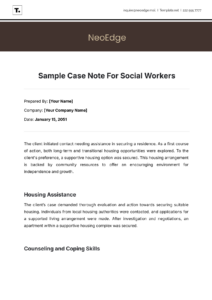
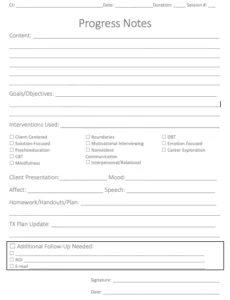
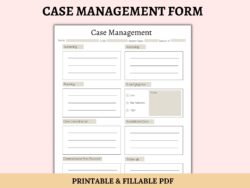
An effective template typically starts with basic client information, ensuring that the note is correctly attributed. This usually includes the client’s name, ID number, the date and time of the interaction, and the name and signature of the service provider. Beyond these foundational details, the core of the note focuses on the content of the interaction itself, often broken down into logical sections to facilitate structured reporting.
Many successful templates organize the narrative using acronyms like SOAP (Subjective, Objective, Assessment, Plan), BIRP (Behavior, Intervention, Response, Plan), or DAP (Data, Assessment, Plan). While the specific acronym might vary, the underlying goal is the same: to provide a systematic way of documenting the client’s perspective, observable behaviors, the social worker’s professional assessment, and the agreed-upon next steps. Here are some common sections you might find:
* Client’s Subjective Report: What the client expresses about their feelings, concerns, and current situation.
* Objective Observations: Factual, observable information, such as the client’s appearance, mood, or behavior during the session.
* Intervention or Service Provided: A description of the specific actions taken by the social worker or the service delivered during the interaction.
* Assessment of Progress: The social worker’s professional judgment on the client’s current status, progress toward goals, and any new challenges.
* Plan for Next Steps: Future actions, appointments, referrals, or homework assignments for the client or social worker.
* Risk Assessment: Any immediate safety concerns or risk factors identified and addressed.
The beauty of a well-designed social service progress note template is its adaptability. While a core structure remains consistent, it can be customized to fit the unique needs of different agencies, client populations, or types of services. For example, a template for family therapy might include sections for family dynamics, while one for crisis intervention would prioritize risk assessment and safety planning. The goal is always to create a tool that simplifies documentation without sacrificing the depth and nuance required for high-quality social work practice.
Embracing a standardized template for your progress notes is a transformative step towards enhancing efficiency and improving the quality of client care. It streamlines a critical administrative task, ensuring consistency, compliance, and clarity across all client records. By providing a clear framework, it empowers social service professionals to focus more on their clients and less on the mechanics of documentation.
Ultimately, the investment in developing or adopting a robust social service progress note template pays dividends not only in saved time and reduced stress for practitioners but also in the long-term well-being and successful outcomes for the individuals and communities they serve. It’s a commitment to best practices, professional excellence, and truly impactful social work.