Have you ever left a meeting feeling a little fuzzy on what was decided or who was responsible for what? It’s a common scenario, and it often leads to wasted time, misunderstandings, and even missed deadlines. That’s why having a solid meeting note template to share with team members is an absolute game-changer. It brings clarity, ensures everyone is on the same page, and transforms those fleeting discussions into concrete, actionable plans.
Think of it as your team’s collective memory, neatly organized and readily accessible. No more scrambling to remember who said what a week later, or wondering if a specific task was ever assigned. A well-designed template acts as a central repository for all critical information, ensuring nothing falls through the cracks and that progress remains consistent.
Ultimately, by standardizing how you capture and distribute meeting information, you’re investing in your team’s productivity and efficiency. It streamlines communication, reduces post-meeting confusion, and empowers everyone to contribute more effectively, knowing that their input and the outcomes of their discussions are properly documented and understood.
Crafting the Perfect Template: What Your Team Needs to See
Creating a meeting note template that genuinely serves your team isn’t just about throwing some bullet points onto a page. It’s about designing a structure that anticipates the information everyone needs to be successful, both during and after the meeting. A truly effective template fosters accountability and provides a clear historical record, becoming an invaluable resource for current projects and future reference. Let’s break down the essential components that will make your template a powerhouse of productivity.
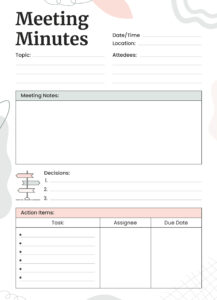
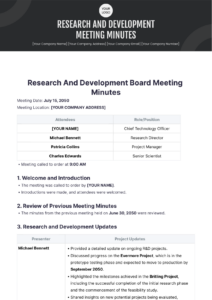
First and foremost, start with the basics: the meeting header. This section should clearly state the Date, Time, and Location of the meeting. Equally important are the Attendees. Listing who was present (and perhaps even who was absent) sets the context for the discussion and makes it easy for anyone reviewing the notes later to understand who was involved in the decisions. Don’t forget the Meeting Facilitator or Note Taker – knowing who steered the conversation or documented it can be helpful for follow-up questions.
Next, articulate the Meeting Objective or Purpose. Why are you all here? What do you aim to achieve? Stating this upfront, even if it’s just a sentence, anchors the entire discussion and helps keep everyone focused. This also makes it incredibly easy for those who couldn’t attend to quickly grasp the core intent of the gathering.
The Agenda Items are your roadmap for the meeting itself. List them out clearly, perhaps with a brief bullet point under each to indicate the main points to be covered. As the meeting progresses, the Discussion Points and Notes section is where the magic happens. This is where you’ll capture the essence of what was said, key arguments, insights shared, and any relevant data points. It doesn’t need to be a transcript, but rather a summary of the important exchanges.
Crucially, every good meeting should lead to Decisions Made. This section is paramount. Clearly outline each decision, ensuring it’s specific and unambiguous. This prevents “I thought we decided…” moments down the line. Directly following decisions are Action Items. This is where accountability truly shines. For each action item, state what needs to be done, who is responsible for doing it, and by when (a clear deadline). This prevents tasks from floating in limbo and ensures progress.
Finally, consider sections for Next Steps or Future Agenda Items and a “Parking Lot” or Open Questions. The Next Steps section helps bridge the gap between this meeting and future work, while the Parking Lot is invaluable for capturing ideas or topics that surfaced but weren’t within the scope of the current meeting, ensuring they aren’t lost but deferred for later discussion. A comprehensive meeting note template to share with team members should cover all these bases, transforming chaotic discussions into organized outcomes.
Making Your Shared Notes Work for Everyone
Having a fantastic template is only half the battle; the other half is ensuring it’s used effectively and shared in a way that truly benefits the entire team. The goal isn’t just to document; it’s to empower. Consistent application and thoughtful distribution are key to unlocking the full potential of your organized meeting notes.
Consider the platform you use for sharing. Cloud-based documents like Google Docs, Notion, or Microsoft 365 offer real-time collaboration and easy access for everyone. This allows team members to quickly review notes, add comments, or even contribute to action items directly, fostering a sense of shared ownership and transparency. It’s far more effective than emailing static attachments that can quickly become outdated.
Timing is also crucial. Aim to distribute the meeting notes as soon as possible after the meeting concludes, ideally within 24 hours. The sooner the information is shared, the fresher it is in everyone’s minds, making it easier to recall details, clarify actions, and start working on tasks. Prompt sharing reinforces accountability and maintains momentum, ensuring that the energy from the discussion translates directly into productive work.
By integrating this structured approach into your team’s routine, you’re building a culture of clarity and accountability. Every team member gains immediate access to a reliable record of discussions, decisions, and tasks, minimizing miscommunication and maximizing collective effort. It’s a simple change that yields significant improvements in how your team collaborates and achieves its goals.