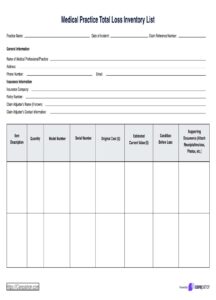
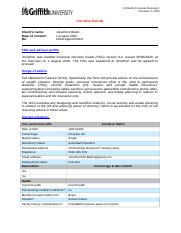
Navigating the complex world of insurance claims can often feel like trying to solve a puzzle with missing pieces. Between phone calls, emails, meetings, and a myriad of documents, it is easy for crucial details to get lost in the shuffle. This is where a well-structured insurance claim file note template becomes an invaluable tool, transforming potential chaos into clarity. It provides a consistent framework for documenting every interaction and decision, ensuring that no detail is overlooked and every step of the claim process is meticulously recorded.
Good documentation is not just about keeping records; it is about building a robust narrative for each claim. Imagine needing to recall a specific conversation from months ago regarding a policy nuance or a settlement offer. Without clear, standardized notes, you are left sifting through fragmented memories or disparate scribbles. Comprehensive file notes serve as your infallible memory, safeguarding against misunderstandings, aiding in dispute resolution, and providing an undeniable audit trail for compliance and internal review purposes.
Ultimately, implementing a standardized approach to note-taking elevates the professionalism and efficiency of your claims handling. It empowers adjusters, legal teams, and administrators to work with a unified understanding of each claim’s progression. Let’s delve into what makes an effective file note template and how it can profoundly impact your claims management process, ensuring every detail is captured and accessible when it matters most.
The Essential Components of a Robust Claim File Note
Creating a truly effective claim file note goes beyond simply jotting down information. It requires a structured approach that ensures all critical data points are captured consistently. A robust template acts as a guide, prompting you to record information systematically, making it easier to retrieve and understand later, whether for a quick review or an in-depth audit.
Capturing Core Identifiers and Timestamps
Every file note must begin with the basics: the date and exact time the note was created, and crucially, the claim number. This immediate identification links the note to the specific claim and provides a chronological anchor for all subsequent information. Knowing precisely when an interaction occurred or a decision was made can be pivotal, especially in time-sensitive situations or when establishing a timeline for review.
Detailing Parties Involved and Communication Medium
Who was involved in the interaction you are documenting? Was it a phone call with the policyholder, an email exchange with a third-party vendor, or a face-to-face meeting with legal counsel? Clearly identifying all parties involved and the method of communication—phone, email, letter, in-person—adds layers of context and verification. This helps paint a complete picture of the communication history and aids in understanding the perspective and involvement of each stakeholder.
Summarizing the Discussion and Key Decisions
This is the heart of your file note. It requires a concise yet comprehensive summary of the conversation or interaction. What were the main points discussed? Were there specific questions asked and answered? Crucially, what decisions were made, and by whom? Avoid vague language; instead, use clear, actionable statements. Documenting the rationale behind significant decisions can be particularly valuable, providing insight into the thought process at the time of the event.
Outlining Agreed Actions and Responsibilities
Every interaction in a claim process often leads to next steps. The file note must clearly outline any agreed-upon actions, who is responsible for carrying them out, and ideally, a target deadline for completion. This transforms the note from a mere record into an active management tool, ensuring accountability and preventing tasks from falling through the cracks. It also allows for easy tracking of progress and follow-up.
Referencing Supporting Documents and Future Steps
A good file note doesn’t exist in isolation. It often refers to or is supported by other documents, such as policy schedules, repair estimates, medical reports, or expert opinions. Make sure to reference these attachments or related files clearly within the note. Additionally, briefly outlining the immediate next steps or outstanding items on the claim provides a smooth transition to future actions, ensuring continuity in the claim handling process.
Leveraging Your Template for Enhanced Claim Management
Simply having an insurance claim file note template is the first step; consistently and effectively using it is where the real benefits materialize. Beyond just recording data, a well-utilized template becomes a strategic asset, streamlining workflows and bolstering the integrity of your claims department. It moves beyond a compliance checklist to become an an intrinsic part of how claims are managed and resolved.
The consistent application of a standardized template ensures uniformity across all claims, regardless of who is handling them. This not only makes internal reviews simpler but also strengthens your position in potential litigation or regulatory audits. When every note follows the same structure, it minimizes the learning curve for new team members and allows for quicker information retrieval, boosting overall operational efficiency. This systematic approach fosters an environment of meticulousness and professionalism.
Furthermore, standardizing your file notes can significantly enhance communication within your team and with external parties. When everyone knows where to find specific pieces of information and in what format, it reduces confusion and the need for repetitive inquiries. Implementing a digital version of an insurance claim file note template, perhaps integrated into your existing claims management software, takes these benefits even further by enabling instant searchability, secure storage, and easy sharing of vital information across authorized personnel.
- Ensures consistency across all claim handlers.
- Reduces the risk of overlooked details and miscommunications.
- Provides a clear, indisputable audit trail for compliance and legal matters.
- Streamlines internal reviews and training for new staff.
- Enhances the overall professionalism of claims handling.
- Facilitates quick and accurate information retrieval.
Adopting and diligently using a comprehensive template for your insurance claim file notes is more than just good practice; it’s a fundamental pillar of efficient and defensible claims management. It transforms what could be a jumble of disparate information into a coherent, easily navigable history of every claim, providing clarity and confidence at every stage.
By committing to detailed and structured documentation, your organization safeguards against potential disputes, fosters greater accountability, and ultimately delivers a more professional and transparent service to policyholders. This meticulous approach not only protects your interests but also builds trust and credibility in every claim interaction.