Navigating the complexities of waste management, especially when it involves hazardous materials, can feel like a daunting task. For businesses dealing with such waste, strict regulations are in place to ensure safe handling, transportation, and disposal. A critical part of this process is meticulous record-keeping, and that’s where a reliable hazardous waste transfer note template becomes indispensable. This document isn’t just paperwork; it’s a legal requirement that provides a detailed audit trail for every hazardous waste consignment, ensuring accountability from the point of origin to its final destination.
The purpose of these transfer notes extends far beyond mere compliance. They act as a vital communication tool, clearly detailing the nature of the waste, its quantity, and the parties involved in its movement. This clarity helps prevent misidentification, minimizes risks during transit, and ensures that the waste is handled appropriately by qualified personnel at each stage. Without accurate and complete documentation, businesses face not only potential fines but also significant environmental and safety hazards.
Understanding how to properly complete and utilize these notes is crucial for anyone involved in hazardous waste operations. This article will guide you through the essential components of a hazardous waste transfer note, explain why using a standardized template is beneficial, and help you ensure your waste transfers are always compliant and secure.
Understanding the Anatomy of a Hazardous Waste Transfer Note
At its core, a hazardous waste transfer note is a legal declaration. It certifies that the waste being transferred has been correctly identified, packaged, and is being moved in accordance with all applicable environmental regulations. Think of it as the passport for your hazardous waste, detailing its identity and journey every step of the way. It’s designed to provide clear, unequivocal information to anyone who might handle the waste, from the initial producer to the final treatment or disposal facility.
Every transfer note, regardless of the specific format, must capture certain fundamental pieces of information. These details create a continuous chain of custody, making it possible to trace any hazardous waste back to its source and track its movement through various handlers. This traceability is paramount for regulatory bodies and for ensuring that environmental obligations are met consistently.
Essential Information Every Note Must Contain
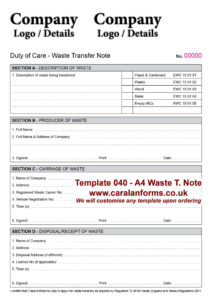
One of the most critical sections on a hazardous waste transfer note is the detailed description of the waste itself. This isn’t just a generic label; it requires specific information, including the European Waste Catalogue EWC code, its physical form (liquid, solid, sludge, gas), its key hazardous properties, and any special handling precautions. Accurate waste characterization is fundamental for appropriate treatment and disposal and prevents any misunderstandings that could lead to dangerous situations.
Equally important are the details of all parties involved in the transfer. This includes the consignor (the producer or holder of the waste), the carrier (the company transporting the waste), and the consignee (the facility receiving the waste). Full company names, addresses, and contact information, along with their relevant environmental permits or licenses, must be clearly recorded. This ensures that everyone involved is identifiable and legally authorized to handle the specific type of hazardous waste.
The quantity of the waste being transferred, typically measured in weight or volume, along with the date and time of the transfer, also needs precise recording. This information is vital for inventory management, calculating disposal costs, and for compliance reporting to environmental agencies. Any discrepancies in these figures could raise red flags during an audit.
Finally, the transfer note requires signatures from both the consignor and the carrier (and often the consignee upon receipt) to confirm that the information provided is accurate and that the waste has been transferred and accepted as described. These signatures serve as a legal declaration and demonstrate agreement on the terms of the transfer. An accurate hazardous waste transfer note template streamlines the capture of all these critical data points, minimizing the chance of oversight.
Why a Template is Your Best Friend for Compliance
In an environment governed by strict regulations, consistency and accuracy are non-negotiable. Manually creating or customizing each transfer note can be time-consuming and significantly increases the risk of human error. This is where leveraging a well-designed hazardous waste transfer note template becomes incredibly advantageous, offering a standardized approach that benefits everyone involved in the waste stream.
A template provides a clear, pre-defined structure that ensures all mandatory fields are consistently completed for every transfer. It acts as a checklist, guiding users to input all necessary information, from EWC codes to carrier license numbers. This consistency not only saves valuable time but also drastically reduces the likelihood of omitting crucial data, which could lead to compliance breaches and potential penalties.
Consider the practical benefits a template brings to daily operations. It makes staff training much simpler, as everyone learns to fill out the same form with the same expectations. It also creates a uniform audit trail, making it easier for internal teams or external auditors to review documentation and verify compliance. A well-implemented template streamlines the entire process, fostering efficiency and confidence in your waste management practices.
Using a standardized approach like a hazardous waste transfer note template is more than just good practice; it’s a strategic move towards robust waste management. It underpins a system of accountability, ensuring that hazardous waste is handled responsibly and legally throughout its journey, protecting both your business and the environment.