Navigating the daily demands of a speech-language pathologist’s role involves far more than just direct client interaction. A significant portion of the job revolves around meticulous documentation, which is crucial for tracking progress, ensuring continuity of care, and meeting billing requirements. For many SLPs, this can feel like a daunting and time-consuming task, often taking away precious minutes that could be spent on therapeutic activities or professional development.
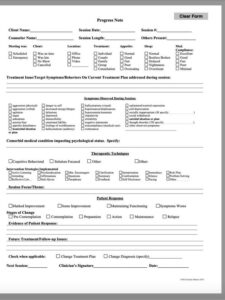
This is where a well-designed speech therapy SOAP note template becomes an invaluable asset. It’s more than just a form; it’s a structured approach that streamlines the documentation process, ensuring all essential information is captured systematically and efficiently. By providing a clear framework, templates help SLPs maintain consistency across clients and sessions, reducing the mental load of remembering every detail for every note.
Understanding the components of a SOAP note and how to effectively utilize a template can transform your documentation workflow from a chore into a seamless, integral part of your practice. Let’s delve into what makes these notes so essential and how you can leverage them to enhance your professional efficiency and client care.
Unpacking the SOAP Note Structure for SLPs
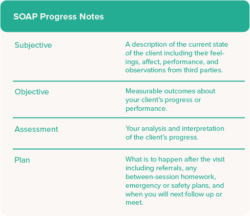
The SOAP note format, an acronym for Subjective, Objective, Assessment, and Plan, is a universally recognized method for documenting client encounters across various healthcare disciplines, including speech therapy. Each section serves a distinct purpose, collectively painting a comprehensive picture of the client’s session, progress, and future direction. Mastering each component is key to creating clear, concise, and informative notes.
The "S" stands for Subjective. This section captures information reported by the client or their caregiver. It’s about their perspective, concerns, or observations regarding their communication, swallowing, or cognitive-linguistic abilities since the last session. Examples might include a parent reporting improved speech intelligibility at home, a client expressing frustration with their voice, or a teacher noting increased participation in class discussions. While subjective, this information provides valuable context for the therapeutic session.
Next is the "O" for Objective. This section details measurable and observable data collected during the session. It includes specific tasks performed, data collected, and the client’s performance on those tasks. This is where you’d document exact scores, percentages, specific utterances produced, or specific behaviors observed. For instance, "Client accurately produced /r/ in initial position 7/10 trials" or "Client followed 2-step directions with 80% accuracy during a play activity." This data is critical for demonstrating progress and justifying interventions.
Crafting Effective Objective Statements
To ensure your objective statements are impactful, always aim for specificity and quantifiability. Instead of saying “Client improved on phonology,” state “Client reduced phonological process of fronting /k/ to /t/ from 50% to 20% occurrence in spontaneous speech.” This level of detail makes progress evident and provides a clear baseline for future comparison.
The "A" represents Assessment. In this part, you analyze the subjective and objective data, interpreting the client’s progress, response to therapy, and the factors influencing their performance. This is where you apply your clinical judgment to explain why the client performed a certain way. You might discuss the effectiveness of particular strategies, identify emerging patterns, or re-evaluate the client’s current level of function in relation to their goals. For example, "Client demonstrated improved awareness of vocal hygiene techniques, contributing to decreased vocal fatigue, suggesting continued progress towards vocal endurance goals."
Finally, the "P" is for Plan. This section outlines the proposed interventions for future sessions based on the assessment. It includes adjustments to therapy goals, specific techniques to be employed, materials needed, and any recommendations for home practice or caregiver involvement. A well-articulated plan ensures continuity of care and provides a roadmap for subsequent sessions. An example might be, "Continue targeting functional communication skills using visual supports; provide caregiver with home program for daily practice of ‘wh-‘ questions."
- Subjective: Client’s or caregiver’s report of progress or concerns.
- Objective: Measurable data and observations from the session.
- Assessment: Clinical interpretation of subjective and objective data, progress toward goals.
- Plan: Future interventions, strategies, and recommendations.
By meticulously filling out each section of a speech therapy SOAP note template, you create a comprehensive record that is invaluable for your practice, ensuring all stakeholders are well-informed and care is delivered effectively.
Benefits of Using a Standardized Template
Implementing a standardized speech therapy SOAP note template offers a multitude of advantages that extend beyond mere organizational convenience. Primarily, it significantly boosts efficiency. Think about the time saved when you don’t have to re-create the structure of your note from scratch every single time. A template provides clear prompts and sections, guiding you to include all necessary information without second-guessing, which frees up valuable time that can be redirected to client care or other crucial professional tasks.
Beyond time savings, templates ensure a remarkable level of consistency and compliance. In a field governed by strict regulatory and billing requirements, consistent documentation is not just good practice, it’s a necessity. A uniform template helps ensure that every note contains the required elements for insurance reimbursement, legal protection, and adherence to professional standards. This reduces the risk of errors or omissions that could lead to denied claims or auditing issues, giving you greater peace of mind in your practice.
Moreover, a well-structured template enhances interprofessional communication. When all notes follow the same format, it becomes easier for other healthcare professionals, supervisors, or even substitute therapists to quickly grasp the client’s status, progress, and plan. This clarity fosters better collaboration, leading to more integrated and holistic client care. It acts as a universal language, ensuring everyone involved in the client’s journey is on the same page, regardless of who originally wrote the note.
- Streamlines documentation process, saving valuable time.
- Ensures consistent data collection and adherence to professional standards.
- Improves clarity and readability for other healthcare providers.
- Reduces errors and omissions, enhancing billing and legal compliance.
- Facilitates tracking of client progress over time.
Adopting and consistently using a structured approach to your daily notes can dramatically improve your workflow and the overall quality of care you provide. It’s an investment in both your professional efficiency and the positive outcomes for your clients.
Effective documentation is truly the backbone of successful speech-language pathology practice, serving as a critical record of every interaction and every step of a client’s therapeutic journey. It not only chronicles progress and challenges but also validates the necessity and effectiveness of your interventions, ensuring continuity and accountability in care. By embracing systematic note-taking, SLPs empower themselves to provide the highest standard of service while managing their professional responsibilities with greater ease.
Ultimately, robust documentation practices safeguard both the client’s best interests and the professional integrity of the therapist. It provides a clear, defensible record that supports clinical decisions, demonstrates value to payers, and most importantly, ensures that every client receives individualized, evidence-based care tailored to their unique communication needs.