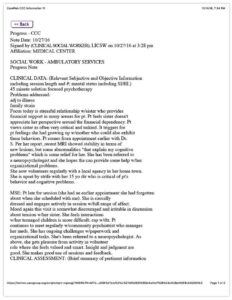
In the demanding world of healthcare, therapists juggle a myriad of responsibilities, from direct patient care to meticulous documentation. Every interaction, every intervention, and every patient response needs to be accurately recorded, not just for legal compliance but also to ensure continuity of care and effective communication within the healthcare team. It’s a critical part of the job that often feels like a puzzle to fit into an already packed schedule.
Effective documentation is the backbone of quality occupational therapy services. It demonstrates the medical necessity of interventions, tracks patient progress, justifies billing, and provides a clear roadmap for future treatment. A well-designed occupational therapy progress note template can dramatically simplify this essential task, transforming a time-consuming chore into a streamlined process that supports better patient outcomes and therapist efficiency.
Imagine a tool that guides you through every necessary detail, ensuring nothing important is missed while still allowing for the individuality of each patient’s journey. This is precisely the power of a standardized, yet flexible, template. It provides a structured framework that enhances clarity, consistency, and comprehensiveness in your daily documentation.
Crafting an Effective Occupational Therapy Progress Note Template
An effective occupational therapy progress note template is much more than just a blank form; it’s a strategic tool designed to capture the nuanced progress and specific interventions provided during each therapy session. It should be intuitive, comprehensive, and adaptable enough to serve a diverse caseload while maintaining the highest standards of professional documentation. The ultimate goal is to create a clear, concise, and clinically relevant record that truly reflects the patient’s journey and the skilled therapy provided.
Think about the various audiences for these notes: other therapists, physicians, insurance companies, and even the patients themselves. Each group has different needs, but all benefit from clear, objective, and consistent information. A good template acts as a guide, prompting therapists to include all essential data points, from subjective reports to objective measurements and professional assessments, ensuring that the notes tell a complete story of the session.
Key Sections to Include for Comprehensive Documentation
To ensure your documentation is robust and informative, consider these fundamental components for your template. These sections help organize information logically and prevent oversight of critical details.
- Patient Identification and Session Details:
- Client Name
- Date of Service
- Time In/Time Out
- Therapist Signature and Credentials
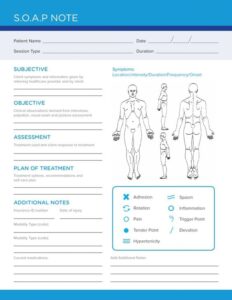
- Subjective Information (S):
- Patient’s primary complaint or statement regarding progress since the last session.
- Caregiver observations or reports.
- Quotes from the patient about their feelings, challenges, or successes.
- Objective Information (O):
- Observable, measurable data.
- Interventions performed during the session.
- Patient’s response to interventions (e.g., repetitions, assistance levels, time spent on task).
- Specific activities addressed and patient’s performance in functional tasks.
- Measurements (e.g., range of motion, grip strength, scores on standardized assessments).
- Assessment (A):
- Therapist’s professional interpretation of the subjective and objective data.
- Analysis of patient’s progress, strengths, and limitations.
- Explanation of skilled services provided and their impact.
- Relation to long-term and short-term goals.
- Justification for continued therapy.
- Plan (P):
- Goals for the next session or future treatment.
- Anticipated frequency and duration of therapy.
- Recommendations for home programs or adaptive equipment.
- Communication with other healthcare providers.
The structure should encourage detailed yet succinct entries, focusing on functional outcomes and the therapeutic reasoning behind each intervention. It’s about demonstrating value and showing how occupational therapy contributes to meaningful changes in a patient’s life.
Leveraging Standardized Templates for Enhanced Clinical Practice
Adopting a standardized occupational therapy progress note template across a practice or facility offers numerous advantages that extend beyond mere compliance. It fosters consistency in documentation style and content among different therapists, making it easier for anyone reviewing the notes to quickly grasp the patient’s status and trajectory. This shared framework promotes a unified approach to patient care and ensures that all essential information is consistently captured, regardless of who is providing the therapy.
Furthermore, a well-implemented template significantly reduces the time therapists spend on documentation, allowing them to dedicate more energy to direct patient care and clinical reasoning. Instead of staring at a blank page, trying to recall every detail and structure their thoughts, therapists can efficiently fill in predetermined sections, ensuring all critical aspects of the session are addressed. This efficiency is invaluable in busy clinical settings.
The benefits of utilizing such a template are far-reaching and impactful:
- Improved Clarity and Readability: Standardized language and structure make notes easier to understand for all stakeholders.
- Enhanced Compliance: Ensures all regulatory and payer requirements are consistently met, reducing the risk of audits or denials.
- Better Communication: Facilitates seamless information exchange among interdisciplinary team members.
- Streamlined Billing and Reimbursement: Clear documentation supports the medical necessity of services, simplifying the billing process.
- Data Collection and Outcomes Tracking: Consistent data points allow for easier tracking of patient progress and program effectiveness over time.
Ultimately, a thoughtfully designed template elevates the quality of documentation, making it a powerful asset in delivering exceptional occupational therapy services. It’s an investment in efficiency, accuracy, and superior patient care.
Embracing a structured approach to progress notes through a well-crafted template empowers therapists to focus more on their primary role: helping individuals achieve their highest level of independence and participation in meaningful daily activities. It transforms a necessary administrative task into an opportunity to reinforce the value and impact of occupational therapy, ensuring that every patient’s progress is thoroughly and accurately recorded for their benefit and for the continuity of their care journey.