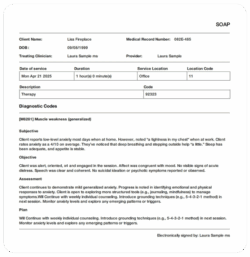
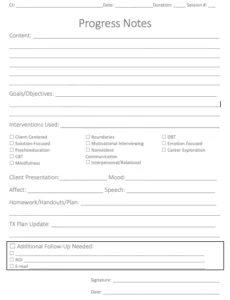
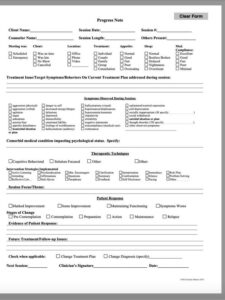
In the demanding world of therapy, meticulously tracking client progress and group dynamics is not just good practice; it’s absolutely essential. We all understand the vital role documentation plays in ensuring continuity of care, meeting ethical guidelines, and providing a clear record of the therapeutic journey. Especially within a group setting, where multiple narratives unfold simultaneously, keeping precise and comprehensive notes can feel like a monumental task.
That’s where a well-designed group therapy progress note template truly shines. It transforms what could be a chaotic scribbling session into a structured, efficient, and informative process. Imagine being able to quickly capture key interventions, observe individual member participation, and note the overarching group themes without feeling overwhelmed. This isn’t just about ticking boxes; it’s about refining your ability to reflect on and articulate the complex interactions that make group therapy so powerful.
Utilizing a standardized framework for your notes ensures consistency across sessions and provides an invaluable resource for treatment planning, supervision, and even future reference. It helps therapists maintain focus on core objectives while still allowing room for the spontaneous and nuanced moments that often define therapeutic breakthroughs in a group environment.
Why a Structured Template Makes All the Difference in Group Therapy Notes
When you’re facilitating a group, your attention is divided in countless ways – tracking verbal and non-verbal cues, managing conflict, encouraging participation, and reflecting on the group’s collective energy. Trying to remember every significant detail to write notes after the session can be incredibly taxing and often leads to gaps in documentation. A structured template acts as your co-pilot, guiding you through the essential information you need to capture, ensuring no critical aspect is overlooked. It helps you shift from simply recording events to analytically documenting therapeutic processes and outcomes.
Beyond mere recall, a template fosters a more analytical approach to your note-taking. Instead of just writing “client spoke about xyz,” you’re prompted to consider the intervention used, the client’s response, their progress towards specific goals, and how their participation influenced the group dynamic. This level of detail is crucial for demonstrating clinical effectiveness and justifying treatment decisions, which is particularly important in today’s healthcare landscape. It also provides a clear narrative for other professionals who might review the client’s file, ensuring everyone is on the same page regarding therapeutic direction.
Furthermore, a consistent structure significantly reduces the administrative burden on therapists. When you know exactly what information you need to record for each session, the note-taking process becomes more streamlined and less time-consuming. This frees up valuable time and mental energy that can then be reinvested into client care, supervision, or professional development, rather than struggling with unwieldy paperwork. It’s about working smarter, not harder, to maintain high standards of ethical and clinical documentation.
Key Components of an Effective Group Therapy Progress Note Template
A robust group therapy progress note template isn’t just a blank page; it’s designed with specific sections that prompt you to document all relevant information. It should be comprehensive enough to cover the intricate layers of group work, yet flexible enough to adapt to the unique flow of each session. Thinking about these components upfront ensures that your notes are not only complete but also truly reflect the therapeutic work being done.
Here’s a breakdown of essential elements you’ll want to include:
- Date and Time of Session: Always the starting point for accurate record-keeping.
- Group Name/Type: Clearly identify the specific group.
- Facilitator(s) Name: Who led the session.
- Attendance: A clear list of who was present and absent, perhaps with brief reasons for absence if known.
- Group Theme/Topic: What was the primary focus or agenda for the session?
- Group Process & Dynamics: Observations on the overall mood, energy, communication patterns, conflicts, or significant interactions within the group.
- Individual Member Participation/Interventions: Document specific client contributions, key insights, challenges, and your interventions for each relevant member.
- Client Progress Towards Goals: How individual members demonstrated movement (or lack thereof) relating to their established treatment goals.
- Facilitator Observations & Plan: Your professional assessment of the session, any significant takeaways, and immediate plans for subsequent sessions.
- Next Session Plan: A brief outline of what will be addressed in the following group meeting.
By consciously incorporating these sections into your template, you’re building a comprehensive record that not only fulfills administrative requirements but also serves as a valuable clinical tool. It helps you track both individual journeys and the collective evolution of the group, enhancing your ability to provide targeted and effective therapy.
Streamlining Your Documentation Process
Embracing a group therapy progress note template is a powerful step towards a more organized and less stressful professional life. Think about it: instead of staring at a blank page after a long, emotionally engaging group session, you have a clear roadmap. This pre-structured format significantly reduces decision fatigue and helps you recall vital information more efficiently, ensuring that your documentation is both thorough and timely. It’s about leveraging efficiency so that your energy can be focused where it matters most: with your clients.
The benefits extend beyond just saving time; a standardized template also enhances the quality and consistency of your notes. When all group therapy progress notes follow a similar format, it becomes much easier to identify patterns, track long-term progress for individual members, and review the overall trajectory of the group. This consistency is invaluable for supervision, team collaboration, and even for demonstrating accountability to funding bodies or insurance providers. It creates a robust, professional portfolio of your therapeutic work that stands up to scrutiny.
Ultimately, adopting and adapting a well-thought-out template allows you to step away from administrative worries and fully immerse yourself in the therapeutic moment. It ensures that the critical details of each session are captured systematically, freeing up your mental space to be more present and effective as a facilitator. This systematic approach contributes significantly to both your professional well-being and the quality of care you provide, fostering a more sustainable and impactful practice.
Using a consistent method for documenting your group sessions is more than just an administrative task; it’s an integral part of ethical and effective practice. It allows you to honor the hard work and progress made within the group, while also providing a clear narrative for ongoing treatment. By carefully crafting and utilizing such a tool, you ensure that every significant moment, every intervention, and every step of client growth is thoughtfully acknowledged and recorded, contributing to a truly comprehensive care experience.