In the demanding world of mental health care, efficient and accurate documentation is not just a professional obligation, it is a cornerstone of effective patient management and continuity of care. Clinicians often juggle complex patient histories, evolving treatment plans, and the need to capture nuanced observations, all while striving to dedicate maximum time to direct patient interaction. This delicate balance highlights the critical need for tools that streamline the administrative burden without compromising the quality of information recorded.
This is precisely where a well-designed psychiatric follow up note template becomes invaluable. Such a template offers a structured framework that guides practitioners through the essential elements of a follow-up visit, ensuring consistency, comprehensiveness, and clarity across all patient records. It helps to standardize the note-taking process, making it easier to track patient progress, identify trends, and ensure that all necessary information for future care is readily available.
By adopting a standardized approach, mental health professionals can significantly reduce the time spent on documentation, minimize the risk of missing critical details, and improve communication among the care team. This article will delve into the benefits of using such a template and explore the key components that make it an indispensable asset in modern psychiatric practice.
Why a Standardized Psychiatric Follow Up Note Template is a Game Changer
Implementing a standardized psychiatric follow up note template can revolutionize daily practice for mental health professionals. One of the most immediate benefits is the immense boost in efficiency. Imagine no longer having to decide what to include in each note or where to put it. A template provides a clear roadmap, allowing clinicians to focus on the patient during the session, confident that the documentation process will be swift and thorough afterward. This consistency also ensures that every patient receives the same high standard of record-keeping, regardless of which clinician they see within a practice.
Beyond just saving time, a consistent template dramatically enhances the quality of patient care. When notes are uniformly structured and comprehensive, it becomes far easier to track a patient’s journey, including their response to medication, their engagement in therapy, and any new symptoms or life events. This clarity is crucial for making informed clinical decisions, adjusting treatment plans effectively, and recognizing potential risks or improvements promptly. Better notes mean better insights, which in turn leads to more personalized and effective interventions.
Furthermore, standardized notes are a tremendous asset for compliance and billing. In an increasingly regulated healthcare environment, accurate and complete documentation is essential for satisfying insurance requirements, demonstrating medical necessity, and protecting against audits. A well-designed template helps ensure that all necessary fields for billing and regulatory compliance are routinely captured, reducing administrative headaches and potential financial penalties. It also aids in interdisciplinary communication, allowing other healthcare providers to quickly grasp the patient’s psychiatric status and treatment plan.
Key Components of an Effective Follow-Up Note
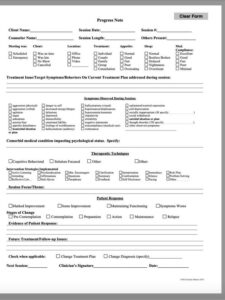
An effective psychiatric follow up note template typically includes several core sections, each designed to capture specific types of information:
- Patient Demographics and Visit Information: This usually covers the patient’s name, date of birth, medical record number, the date and time of the visit, and the type of visit (e.g., in-person, telehealth).
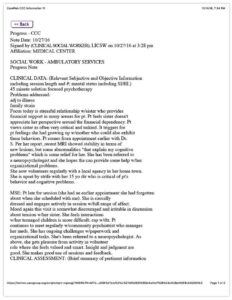
- Subjective Report: This section captures the patient’s own words regarding their chief complaint, how they have been feeling since their last visit, any new symptoms, medication adherence, side effects, and changes in their life circumstances or stressors.
- Objective Findings: Here, the clinician records their observations, including the Mental Status Examination MSE findings, vital signs if taken, and any relevant laboratory results or collateral information from family members or other providers.
- Assessment: This part synthesizes the subjective and objective information, detailing the patient’s current diagnosis or diagnostic considerations, their progress toward treatment goals, risk assessment for suicidality or homicidality, and any significant changes in their clinical presentation.
- Plan: The plan outlines the next steps in treatment, such as medication adjustments, referrals for psychotherapy or other specialists, orders for lab tests, psychoeducation provided, and the schedule for the next follow-up appointment.
Each of these sections plays a vital role in painting a complete picture of the patient’s condition and the ongoing treatment strategy. The structured format ensures that no critical piece of information is overlooked, facilitating thorough record-keeping and supporting high-quality care.
Having a template does not mean sacrificing individuality in patient care. Instead, it provides a flexible framework that can be adapted to each patient’s unique circumstances. While the core sections remain consistent, the specific details within each can vary greatly, allowing for comprehensive yet personalized documentation.
Implementing and Customizing Your Template
Integrating a psychiatric follow up note template into your practice does not have to be an arduous task. Many electronic health record systems offer built-in template functionalities that can be tailored to your specific needs. The key is to start with a robust base, perhaps a commonly used template or one provided by your professional organization, and then iteratively refine it based on your practice’s workflow and the unique needs of your patient population. It is often beneficial to involve the entire clinical team in this process to ensure buy-in and gather diverse perspectives on what works best in a real-world setting.
Customization is crucial for maximizing the template’s utility. While a generic template provides a good starting point, specific patient demographics or clinical focuses might require unique fields or sections. For example, a practice specializing in child and adolescent psychiatry might need more detailed sections on school performance or family dynamics, while an addiction treatment center might focus more on substance use history and relapse prevention strategies. The beauty of a template lies in its adaptability, allowing you to create a tool that truly serves your specific clinical environment.
Regular review and updates are also vital to ensure the template remains effective and relevant. As clinical guidelines evolve, or as your practice identifies new areas for improvement in documentation, the template should be adjusted accordingly. This iterative process ensures that your psychiatric follow up note template continues to be a living document that supports optimal patient care and administrative efficiency over time, always reflecting best practices and the most current understanding of mental health treatment.
Embracing a standardized psychiatric follow up note template is a proactive step toward enhancing the efficiency, accuracy, and overall quality of mental health documentation. It empowers clinicians to streamline their administrative tasks, ensuring that every detail is captured consistently, thereby freeing up more time and energy to focus on what truly matters: providing compassionate and effective care to their patients.
By adopting this structured approach, practices can foster better communication among care teams, improve compliance with regulatory standards, and most importantly, contribute to superior patient outcomes. It is an investment in both professional well-being and the continuous improvement of mental healthcare delivery.