Working in an intensive care unit is a demanding environment where every second counts. Clinicians are constantly making rapid decisions, managing complex conditions, and monitoring patients who are often at their most vulnerable. Amidst this high-stakes pressure, effective communication and meticulous documentation are absolutely paramount to ensure continuity of care and optimal patient outcomes.
The challenge lies in capturing all the crucial information – physiological changes, interventions, responses, and future plans – in a clear, concise, and comprehensive manner, often under significant time constraints. This is where a well-structured system becomes invaluable, helping busy healthcare professionals streamline their workflow and avoid missing vital details.
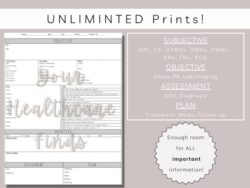
One of the most effective tools for achieving this level of documentation excellence is a well-designed critical care progress note template. It provides a standardized framework that guides clinicians through the essential components of a patient’s daily assessment, ensuring consistency across shifts and providers, and ultimately enhancing patient safety.
Why a Structured Critical Care Progress Note Template is Essential
Imagine walking into a critical care shift, needing to quickly get up to speed on multiple complex patients. A well-organized progress note is your lifeline, offering a snapshot of the patient’s journey, current status, and the plan moving forward. Without a standardized approach, notes can vary wildly in quality and completeness, making handover difficult and increasing the risk of miscommunication or oversight.
These templates aren’t just about ticking boxes; they are powerful tools for critical thinking. By prompting clinicians to systematically review each body system, consider recent lab results, imaging, and procedures, and then formulate a cohesive assessment and plan, they subtly reinforce a thorough approach to patient evaluation. This structured thought process is invaluable, especially for trainees and new staff, helping them develop robust clinical reasoning skills.
Beyond direct patient care, a well-documented progress note offers significant benefits from a legal and administrative perspective. In the event of an audit or a legal review, comprehensive and consistent documentation provides a clear record of the care provided, the rationale behind decisions, and the patient’s response. This protects both the individual clinician and the institution.
Furthermore, accurate and detailed notes are crucial for proper billing and coding. Healthcare systems rely on precise documentation to justify the level of care provided, ensuring appropriate reimbursement for the intensive resources utilized in critical care settings. A complete critical care progress note template helps capture all the necessary data points to support these administrative functions efficiently.
Ultimately, the consistent use of a structured template helps reduce cognitive load on busy clinicians. Instead of having to remember every single category to cover for each patient, the template serves as a reliable checklist. This allows more mental energy to be dedicated to complex problem solving and direct patient interaction, rather than struggling with documentation format.
Key Sections to Include in Your Template
- Patient Identification and Demographics: Essential for confirming the correct patient.
- Brief History and Overnight Events: A concise summary of the patient’s primary reason for admission and any significant changes or events since the last note.
- System-Based Review:
- Neurological: Mental status, GCS, pupil exam, sedation.
- Cardiovascular: Hemodynamics, rhythm, inotropes, pressors.
- Respiratory: Ventilator settings, oxygenation, work of breathing, chest imaging.
- Gastrointestinal: Abdominal exam, nutrition, bowel regimen.
- Genitourinary: Urine output, renal function, fluid balance.
- Integumentary: Skin integrity, wounds, lines, drains.
- Endocrine/Metabolic: Glucose control, electrolytes, fever workup.
- Labs and Imaging Review: Relevant daily labs, cultures, and recent imaging results.
- Assessment: A synthesized summary of the patient’s current status, problem list, and differential diagnoses.
- Plan: A clear, organized, system-based plan for the next 24 hours, addressing each problem.
- Family Discussion: Documentation of communication with family regarding goals of care, prognosis, and updates.
- To Do List: Specific tasks and orders for the upcoming shift.
Tips for Customizing and Implementing Your Template
While a critical care progress note template offers a fantastic starting point, it is rarely a one-size-fits-all solution. Every intensive care unit, whether it is a medical ICU, surgical ICU, or cardiac ICU, has its own unique patient population, protocols, and workflow. Therefore, it is important to tailor the template to meet the specific needs and nuances of your particular unit. Consider what information is most critical for your patients and what sections could be streamlined.
A truly effective template is one that is embraced by the entire team. Involving a multidisciplinary group – including physicians, advanced practice providers, nurses, and even residents – in the design and refinement process can lead to greater buy-in and a more practical tool. Gather feedback on what works, what is missing, and what might be redundant. This collaborative approach ensures that the template genuinely serves the needs of all users.
When implementing the template, consistent training is key. Ensure that all new staff and rotating members are familiar with its structure and purpose. Whether you opt for a paper-based system or integrate it into an electronic health record, clear guidelines on its use will help maintain standardization. Regular review sessions and the willingness to make adjustments based on user experience will foster continuous improvement and optimize its utility for ongoing patient care.
The systematic approach to documentation provided by a well-designed template greatly enhances the quality and efficiency of critical care notes. This consistency minimizes errors, improves communication among care teams, and ensures that vital information is readily accessible. Ultimately, better documentation translates directly into improved patient safety and more coordinated, high-quality care, reinforcing the commitment to excellence inherent in critical care medicine.