Planning a yard sale can be an exciting way to declutter your home and earn some extra cash, but it often comes with the challenge of organizing and pricing everything. This is where a well-designed yard sale price list template becomes an absolute lifesaver. Instead of scribbling prices on individual stickers or trying to remember what you wanted to charge for each item, a structured template offers a clear, consistent, and efficient way to manage your inventory and pricing, ensuring you’re prepared for every potential buyer who stops by.
A good pricing strategy is crucial for the success of your sale. Overprice items, and they might sit unsold. Underprice them, and you could be leaving money on the table. Finding that sweet spot requires a bit of thought and organization. It’s not just about slapping a price tag on things; it’s about understanding what your items are worth, how to present them, and how to make the entire process smooth for both you and your customers.
The beauty of using a systematic approach, like a dedicated template, is that it takes much of the guesswork and stress out of the equation. It allows you to focus on the fun parts of the sale – interacting with buyers and watching your unwanted items find new homes. Let’s dive into how you can effectively price your items and leverage a template to make your next yard sale your most profitable one yet.
Mastering Your Yard Sale Pricing Strategy
One of the biggest hurdles when preparing for a yard sale is deciding on the right price for each item. It’s easy to get sentimental about things you’ve owned for years, but yard sale shoppers are typically looking for bargains. A realistic approach to pricing is key. Start by thinking about what you would be willing to pay for the item if you were buying it at a similar sale. Is it brand new, gently used, or showing significant wear and tear? These factors heavily influence its potential value.
Research can be your best friend here. Before settling on a price, take a quick look online at sites like eBay, Facebook Marketplace, or even local consignment shops to see what similar items are selling for. While you won’t typically get retail prices, this gives you a baseline for fair market value in a used condition. Remember, your goal is to sell, so aiming slightly below these online averages might incentivize a quick purchase.
Consider grouping similar items together. For instance, instead of pricing each book individually, you might offer “All paperbacks $1 each” or “Buy 3, get 1 free.” This can speed up transactions and encourage buyers to take more items. The same goes for small kitchen gadgets, toys, or craft supplies. Bundling can make an otherwise insignificant item feel like a better deal, especially for buyers who are on the fence.
The psychology of pricing also plays a role. Prices ending in .99 or .50 often feel more appealing than round numbers. So, $4.99 might feel like a better deal than $5.00, even if the difference is negligible. Also, clearly marking your prices helps. Shoppers are less likely to ask for a price if it’s not readily visible, and some might even walk away rather than inquire.
Always leave a little room for negotiation. Yard sale culture often involves a bit of haggling, and savvy buyers will almost always try to get a better deal. If you price items slightly higher than your absolute minimum, you can “come down” a bit, making the buyer feel like they’ve won a bargain, and you still get a satisfactory price. It’s a win-win scenario that adds to the fun of the sale.
Don’t forget about the “free” box or deeply discounted section. Items that are difficult to sell, have minor damage, or are simply not worth much might still be valuable to someone else. Putting them in a free box can attract more people to your sale and provide a pleasant surprise, potentially leading them to browse your higher-priced items. It’s also a great way to ensure everything finds a new home rather than ending up back in your garage.
Categorizing Your Inventory for Seamless Pricing
To make the pricing process even smoother, categorize your items before you start assigning values. Create sections for household goods, clothing, electronics, toys, books, and so on. This not only helps you mentally organize your approach to pricing but also makes setting up your sale day display much easier for shoppers to navigate. A well-organized display often translates to better sales.
The Indispensable Role of a Yard Sale Price List Template
Imagine the chaos without a system: loose sticky notes flying away in the wind, forgetting what you decided to charge for that vintage lamp, or having to constantly recalculate totals for customers. This is the reality many face without a proper organizational tool. A yard sale price list template eliminates this disarray by providing a centralized and consistent method for managing all your inventory and their corresponding prices.
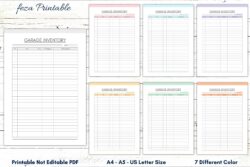
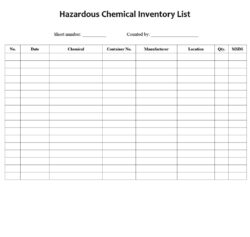
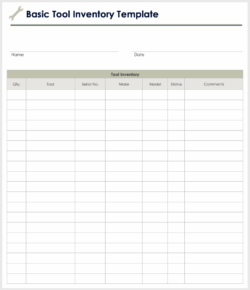
A template provides structure, allowing you to list each item, its description, your suggested price, and even a column for the actual price it sold for (useful for future sales analysis!). This level of organization ensures consistency across your items, helps you track what you have, and makes pricing multiple similar items much faster. Whether you print it out and fill it by hand or use a digital version on a tablet, it brings a professional touch to an otherwise informal event.
Beyond just listing prices, a comprehensive yard sale price list template can include fields for item category, condition, and any special notes you might have. This detailed approach not only streamlines the pricing process but also helps with inventory management. You’ll know exactly what you have, where it is, and what you’re hoping to get for it. This level of preparation reduces stress on the day of the sale and helps you focus on engaging with your buyers and making those sales.
- Item Description: A brief note to identify the item.
- Category: Helps organize your inventory (e.g., “Kitchenware,” “Kids’ Toys,” “Books”).
- Condition: New, like-new, good, fair, etc.
- Suggested Price: Your initial target price for the item.
- Actual Selling Price: To track how much it sold for.
- Notes: For specific details, defects, or negotiation wiggle room.
Adopting a structured approach to your yard sale, particularly with an organized price list, can significantly reduce the usual stress associated with such an event. By taking the time to plan your pricing and categorize your items beforehand, you set yourself up for a smoother, more enjoyable, and ultimately more profitable experience. You’ll feel more confident in your pricing decisions and better equipped to handle buyer inquiries and negotiations.
So, as you gather your treasures and prepare them for new homes, consider the immense value of a little upfront organization. A well-thought-out system not only helps you achieve your financial goals but also makes the entire process of decluttering and community engagement a truly rewarding endeavor. Happy selling!