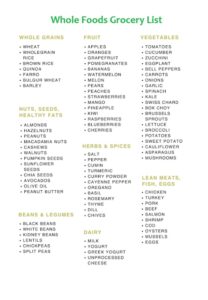
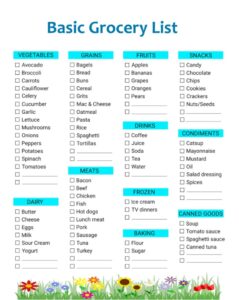
Embarking on a low carb lifestyle can feel like a delicious adventure, but sometimes the sheer volume of choices at the grocery store can be overwhelming. Knowing exactly what to buy and what to avoid is crucial for success, which is why having a well-structured low carb grocery list template can be an absolute game-changer. This simple tool will not only save you time and stress but also help you stay firmly on track with your dietary goals, ensuring your pantry and fridge are always stocked with delicious, compliant foods.
Think of your grocery list as your personal roadmap to healthier eating. Without one, it’s easy to get sidetracked by tempting, non-compliant items or simply forget essential ingredients you need for your week’s meals. A prepared list empowers you to make conscious, informed decisions right in the aisles, preventing impulse buys and reducing food waste. It transforms a potentially daunting task into an efficient and even enjoyable part of your routine.
This article will guide you through building the ultimate low carb shopping arsenal, from stocking your pantry with fundamental staples to crafting a weekly strategy that keeps your kitchen full and your carb count low. We’ll explore various food categories, offer practical tips, and help you customize a system that works perfectly for your unique needs and preferences. Get ready to streamline your shopping and savor the benefits of a well-prepared low carb kitchen!
Building Your Low Carb Pantry: Essentials for Success
Creating a successful low carb kitchen begins with stocking your pantry and refrigerator with the right foundational ingredients. This proactive approach ensures you’re always ready to whip up a healthy meal or snack without resorting to less ideal options when hunger strikes. It’s all about having the building blocks readily available, making your low carb journey much smoother and more enjoyable.
Protein Powerhouses
First and foremost, focus on your protein sources. Lean meats like chicken breasts and thighs, ground beef, steak, pork chops, and lamb are excellent choices. Don’t forget about fish and seafood; salmon, cod, shrimp, and scallops are packed with flavor and healthy fats. Eggs are another incredibly versatile and affordable protein staple, perfect for any meal of the day. For plant-based protein, consider tofu, tempeh, or edamame in moderation, paying attention to net carb counts.
Vibrant Non-Starchy Vegetables
Next, fill your cart with a rainbow of non-starchy vegetables. These are your best friends on a low carb diet, offering fiber, vitamins, and minerals without a lot of carbs. Think leafy greens like spinach, kale, and lettuce for salads. Broccoli, cauliflower, Brussels sprouts, asparagus, green beans, bell peppers, zucchini, and cucumbers are also fantastic choices that can be roasted, steamed, stir-fried, or eaten raw. Aim for variety to ensure a broad spectrum of nutrients.
Healthy Fats for Fuel
Healthy fats are crucial for satiety and energy on a low carb plan. Stock up on avocados, olive oil, avocado oil, and coconut oil for cooking and dressings. Nuts and seeds, such as almonds, walnuts, pecans, chia seeds, flax seeds, and pumpkin seeds, are great for snacking or adding to meals, but remember to consume them in moderation due to their calorie density and potential carb content. Nut butters (check for no added sugar) are also excellent.
Dairy and Dairy Alternatives
For dairy options, choose full-fat cheeses like cheddar, mozzarella, gouda, and cream cheese. Unsweetened almond milk or coconut milk are perfect for smoothies, coffee, or recipes. Plain, full-fat Greek yogurt or cottage cheese can also be enjoyed in moderation. Always check labels for hidden sugars and carb counts in all dairy products.
Low Carb Baking and Sweeteners
If you enjoy baking, you’ll want to have low carb flours on hand, such as almond flour and coconut flour. For sweeteners, erythritol, stevia, or monk fruit are popular choices that won’t spike your blood sugar. These alternatives open up a world of low carb dessert and bread possibilities, allowing you to enjoy treats without derailing your diet.
Flavorful Spices and Condiments
Finally, don’t underestimate the power of spices, herbs, and low carb condiments. Stock your pantry with a variety of salt, pepper, garlic powder, onion powder, chili powder, cumin, oregano, basil, and more to flavor your meals without added carbs. Look for sugar-free mustard, hot sauce, mayonnaise, and vinegar. Reading labels is key to ensuring these additions remain low carb compliant.
Crafting Your Weekly Shopping Strategy
Once you know what essential items generally belong on your list, the next step is to refine your weekly shopping strategy. This involves more than just writing down items; it’s about planning your meals, assessing what you already have, and making smart choices at the store. A well-executed strategy ensures you get everything you need efficiently and avoid unnecessary purchases.
Before you even start writing your specific low carb grocery list template for the week, take a moment to look through your fridge, freezer, and pantry. What ingredients do you already have that can be incorporated into upcoming meals? This step helps reduce food waste and prevents you from buying duplicates. Then, plan your meals for the week. Knowing what you intend to cook will directly inform what ingredients you need to purchase, making your list precise and purposeful.
When you’re at the grocery store, stick to your list as closely as possible. The aisles are designed to tempt you, so having a clear plan helps you resist impulse buys that might be high in carbs or simply unnecessary. Pay close attention to food labels, especially on packaged items. Look for net carb counts, hidden sugars, and undesirable ingredients. Remember that an effective low carb grocery list template is not just a collection of items, but a reflection of a thoughtful and consistent approach to your low carb lifestyle.
Equipping your kitchen with a thoughtful selection of low carb foods sets the stage for effortless meal preparation and sustained adherence to your dietary goals. By embracing the simple discipline of using a structured shopping approach, you’ll find greater satisfaction and ease in managing your daily meals. This consistent effort ensures you’re always prepared, transforming your intentions into delicious, healthy realities.