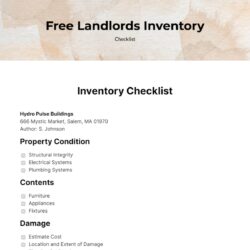
Starting a new rental journey is always an exciting time, but it also comes with a lot of paperwork and small details that are easy to overlook. Whether you are a property owner or a new tenant moving in, having a clear record of what is inside the unit is essential for a smooth experience. This is where a professional furnished apartment inventory list template becomes your best friend, acting as a neutral record of the property condition and the items included in the lease agreement. It helps everyone stay on the same page from the very first day you get the keys.
Many people think they can just remember the state of the sofa or the number of plates in the cabinet, but memory is often unreliable when a year has passed and the lease is ending. By documenting every piece of furniture, appliance, and decorative item, you create a transparent environment where disputes over security deposits are much less likely to happen. It is a simple step that saves a massive amount of time and stress during the move-out process.
What to Include in Your Inventory Documentation
When you sit down to fill out your list, you want to be as thorough as possible without making it feel like an impossible chore. Start with the big items in each room, such as the bed frame, mattress, dining table, and sofa. These are the high-value pieces that most landlords care about protecting. However, do not stop there because the smaller items often add up to a significant cost if they go missing or get damaged over time.
The kitchen is usually the area with the most individual items to track. You should count every fork, knife, and spoon, along with pots, pans, and small appliances like toasters or coffee makers. If the apartment comes with luxury linens or specific electronics like a smart TV and soundbar, these definitely need to be noted with their current working condition. Mentioning the brand or the general age of the item can also provide extra context that might be useful later.
Beyond just naming the items, you should describe their condition using clear language. Instead of just writing down chair, try writing down wooden dining chair with minor scratch on the left leg. This level of detail protects the tenant from being blamed for pre-existing wear and tear and helps the landlord keep track of when furniture might need to be refurbished or replaced. It is all about creating a fair record for both parties.
To make the process even easier, you can organize your furnished apartment inventory list template by room. This allows you to walk through the space systematically so you do not miss the towels in the bathroom or the lamp in the hallway corner. A structured approach ensures that the document is easy to read and serves as a reliable reference point throughout the duration of the tenancy. Here is a quick breakdown of what to look for in each area:
- Kitchen appliances, cutlery counts, and glassware
- Living room furniture, electronics, and remote controls
- Bedroom sets including mattresses, pillows, and wardrobes
- Bathroom accessories, mirror condition, and linen sets
- General decorative items like paintings, rugs, and vases
- Lighting fixtures, window treatments, and wall condition
Best Practices for Finalizing Your Record
Once the list is drafted, the most important step is the joint walk-through. Both the landlord and the tenant should go through the apartment together to verify the items on the list and agree on their condition. This is the perfect time to point out any small chips in the paint or stains on the carpet that might have been missed initially. When both parties participate, it builds trust and ensures that the document is seen as an accurate reflection of reality rather than a one-sided assessment.
In addition to the written list, taking high-quality photographs or even a short video of the apartment is a fantastic way to supplement your documentation. Photos provide visual proof that words sometimes cannot fully capture. You can attach these photos to your digital file or keep them in a shared folder. If a dispute ever arises about a specific mark on a wall or the state of a kitchen appliance, having a timestamped photo to look back on is incredibly valuable for resolving disagreements quickly.
Finally, make sure that both the landlord and the tenant sign and date the completed inventory document. Each person should keep a copy for their own records, whether that is a physical paper version or a digital PDF. Throughout the lease, if any items are replaced or added, you can simply update the document and initial the changes. This proactive approach keeps everything up to date and ensures that move-out day is nothing more than a quick check of the list before saying goodbye.
Having a solid system in place for tracking property items is a hallmark of professional property management and responsible renting. It might take an hour or two at the beginning of a lease, but the peace of mind it provides is worth every minute spent. By using a standardized format, you eliminate the guesswork and emotional stress that often comes with financial transactions involving security deposits and property maintenance.
Ultimately, a well-maintained inventory record fosters a positive relationship between everyone involved. It shows that the landlord cares about their property and that the tenant respects the space they are living in. When everyone knows exactly what is expected and what is accounted for, the entire rental experience becomes more enjoyable and transparent. Taking the time to do it right from the start is an investment in a hassle-free future.