Lending money to a family member can be a delicate dance, often tiptoeing the line between generosity and financial responsibility. While the intention is always good – to help a loved one through a tough spot, invest in a new venture, or assist with a significant purchase like a home or education – informal agreements can sometimes lead to unexpected complications. You want to support them, but you also need to protect your own finances and, perhaps even more importantly, the harmony of your family relationships.
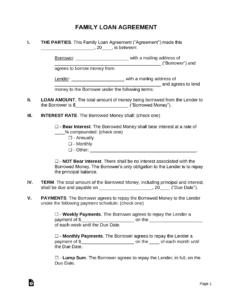
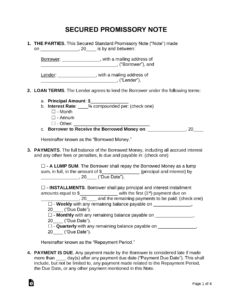
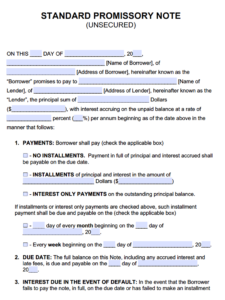
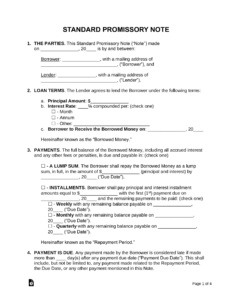
This is where the structure and clarity of a formal document become invaluable. Having a clear family member promissory note template on hand provides a tangible framework for these transactions. It transforms a casual understanding into a documented agreement, outlining the terms of the loan in a way that benefits both the lender and the borrower. Think of it as a roadmap for repayment, designed to prevent misunderstandings down the road.
By using such a template, you’re not questioning your family member’s integrity; instead, you’re embracing transparency and professionalism, which can actually strengthen your bond. It removes ambiguity about repayment schedules, interest (or lack thereof), and what happens if unforeseen circumstances arise. This proactive step helps ensure that financial matters don’t inadvertently sour personal relationships.
Why You Need a Formal Agreement Even with Family
It’s natural to feel a bit awkward about asking a loved one to sign a formal document when you’re lending them money. After all, isn’t family trust supposed to be enough? While trust is fundamental, money matters have a unique way of testing even the strongest bonds. Informal loans, made with the best intentions, often become sources of stress and resentment because the terms were never explicitly stated or were simply forgotten over time.
Imagine a scenario where you lend a significant sum, expecting repayment within a year, but your family member believes it was a more flexible, open-ended arrangement. Or perhaps they thought it was more of a gift than a loan. Without a written agreement, these differing interpretations can lead to strained conversations, hurt feelings, and a lingering sense of unfairness. A formal agreement clarifies expectations from the outset, providing peace of mind for everyone involved.
Beyond protecting personal relationships, a promissory note offers legal enforceability. While no one wants to envision a family dispute escalating to legal action, having a documented agreement provides a safety net. It serves as undeniable proof of the loan’s existence and its terms, which can be crucial for tax purposes, estate planning, or even if the borrower experiences financial difficulties and needs to prioritize creditors. It’s a professional way of handling a serious financial transaction, regardless of the personal connection.
Key Components of a Robust Family Promissory Note
So, what exactly should one of these important documents include? A comprehensive promissory note isn’t just a simple “I owe you.” It’s a detailed blueprint that covers all the critical aspects of the loan. Understanding these components is essential, whether you’re drafting one yourself or customizing a template.
Each section plays a vital role in ensuring clarity and protecting both parties. Let’s look at the elements you should always include to make sure your family loan is properly documented and understood:
- The Parties Involved: Clearly identify the lender and the borrower, including their full legal names and addresses.
- The Principal Amount: State the exact dollar amount of the loan in both numerical and written form to prevent any misinterpretation.
- Interest Rate (or lack thereof): Specify if interest will be charged and, if so, the annual percentage rate (APR). If no interest is charged, explicitly state “0% interest.” Be aware of IRS rules regarding gift taxes if charging below-market rates.
- Repayment Schedule: Detail how and when the loan will be repaid. This could be a lump sum by a certain date, monthly installments, or a flexible schedule tied to specific events. Include the due dates for each payment.
- Default Terms: Outline what happens if the borrower fails to make payments as agreed. This might include acceleration clauses (the entire balance becoming due immediately) or late fees.
- Governing Law: Specify which state’s laws will govern the promissory note, which is typically the state where the loan is made or where the lender resides.
- Signatures: Both the lender and the borrower must sign and date the document. While not always legally required, having it notarized can add an extra layer of authenticity.
By including these essential components, you create a clear, legally sound document that establishes expectations and provides a framework for resolving any issues that may arise, all while preserving the integrity of your family relationships.
Customizing Your Template for Specific Family Needs
While a family member promissory note template provides an excellent starting point, remember that it’s just that—a template. Every family situation is unique, and a one-size-fits-all approach might not address the specific nuances of your loan. The real strength of using a template comes from its adaptability, allowing you to tailor the terms to fit the exact needs and circumstances of your family members.
Consider the varying dynamics within families. For instance, a loan to a sibling might have different interest rate expectations compared to a loan to an adult child buying their first home. You might decide to include a clause that allows for temporary deferment of payments during an unexpected job loss, or perhaps link repayment to a future event like an inheritance or a business sale. The key is to think through potential scenarios and discuss them openly with your family member before finalizing the note.
Think about whether you want to include collateral, especially for larger loans, or if you prefer a simpler, unsecured note. Discuss whether any payments will be tied to specific financial milestones the borrower reaches. For example, if the loan is for a down payment on a house, perhaps the note specifies that the loan balance becomes due if the house is sold before a certain period. These types of personalized considerations are crucial for creating a document that truly serves both parties.
In the end, opting for a well-drafted promissory note when lending to family is a testament to foresight and care. It’s not about mistrust, but about ensuring clarity and respect for everyone involved, safeguarding both your financial interests and the invaluable bonds you share. This simple act of putting terms in writing can prevent untold stress and allow you to continue supporting your loved ones with confidence and peace of mind.
Taking the time to formalize these arrangements is an investment in your relationships and your financial future. Whether you choose to modify a ready-made template or consult with legal professionals, having a clear, agreed-upon document provides a solid foundation for any family loan. It truly is one of the best ways to ensure that generosity doesn’t inadvertently lead to regret.