If you have ever stared at your syllabus and felt a wave of panic wash over you, you are definitely not alone. Between lectures, group projects, and those seemingly endless reading assignments, keeping everything straight in your head is an impossible task. This is exactly where an academic to do list template comes into play, acting as your personal navigation system through the fog of a busy semester. Instead of trying to remember every single due date, you can offload that mental burden onto a structured format that lets you focus on actually learning the material.
Most students start the term with the best intentions, but by week four, the sticky notes and random notebook scribbles usually fail them. Having a centralized place to track your progress changes the game. It is not just about writing down what you need to do; it is about creating a visual roadmap that shows you exactly where your time is going. When you can see your week at a glance, you stop reacting to emergencies and start proactively managing your workload.
Building a System That Supports Your Study Goals
The biggest mistake people make with organization is treating their to-do list like a graveyard for every thought they have. If your list is fifty items long and includes everything from doing laundry to writing a thesis, you are going to feel paralyzed before you even pick up a pen. A specialized academic approach allows you to separate your life tasks from your scholarly requirements. By categorizing your tasks by subject or urgency, you can enter a flow state much faster because you are not constantly switching gears between unrelated topics.
One of the most effective ways to use your template is to incorporate the concept of time estimation. It is one thing to know you have a math problem set due, but it is another thing entirely to acknowledge it will likely take you three hours of focused work. When you add a time component to your list, you begin to see your day as a finite resource. This prevents you from over-scheduling yourself and helps you realize when you might need to start an assignment a few days earlier than originally planned.
Another layer of success involves the art of the breakdown. Most students fail because they put huge, intimidating tasks like write research paper on their list. That is not a task; it is a project. A truly functional organization system encourages you to slice that giant project into tiny, manageable pieces like find five sources or outline the introduction. When the task feels small, the resistance to starting it melts away, and you find yourself making steady progress instead of procrastinating until the night before.
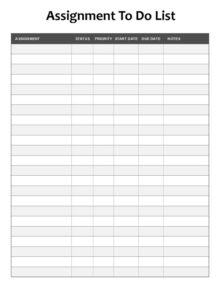
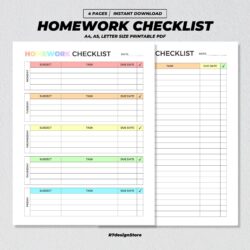
To make the most of your planning sessions, look for a format that allows for flexibility. Life happens, and sometimes a library session runs long or a sudden invitation for coffee comes up. Your system should be a guide, not a cage. If you do not finish everything on Monday, having a clear way to migrate those tasks to Tuesday without feeling like a failure is essential for long-term consistency. Here are a few elements you should look for in a high-quality academic to do list template:
- Specific columns for course names and assignment types
- Priority markers to distinguish between high-stakes exams and minor homework
- Sections for estimated time versus actual time spent
- Space for daily reflections or notes on what needs more review
- Clear checkboxes to provide that satisfying feeling of completion
When these elements come together, the result is a massive reduction in academic stress. You no longer have to wake up in the middle of the night wondering if you forgot a quiz. The list holds the stress so your brain can hold the knowledge. It transforms the way you approach your education from a series of stressful hurdles into a manageable step-by-step journey toward your degree.
Developing the Habit of Daily Planning
Having a template is a great first step, but the real magic happens when you turn it into a daily ritual. Most successful students find that spending just ten minutes every evening or morning looking at their academic to do list template makes the rest of their day significantly smoother. During this time, you are essentially acting as your own manager, deciding which tasks deserve your prime energy levels and which ones can wait until your afternoon slump. This small investment of time pays off by eliminating the decision fatigue that often leads to mindless scrolling instead of studying.
Consistency is much more important than perfection in this process. There will be days when your list stays mostly unchecked, and that is perfectly okay. The goal is to maintain visibility over your responsibilities so nothing ever catches you by surprise. When you treat your planning as a non-negotiable part of your day, you develop a sense of discipline that extends far beyond the classroom. You start to trust yourself more because you know that if something is important, it is on the list and it will get done.
Finally, remember to celebrate the small wins. Every checkmark on your page represents a bit of effort and progress toward your larger goals. It is easy to get caught up in the pressure of grades and long-term career plans, but your daily list reminds you that success is built one afternoon at a time. By focusing on the immediate tasks at hand and trusting your system, you can enjoy your free time without the nagging guilt that you should be doing something else. A well-maintained list gives you the freedom to be fully present in both your studies and your social life.
Mastering your academic schedule is one of the most valuable skills you can take away from your time in school. It is not just about getting better grades, though that is a very common result. It is about learning how to manage your energy and attention in a world that is constantly trying to distract you. By utilizing a structured template, you are giving yourself the tools to handle a heavy course load with grace and confidence. You move from being a passive participant in your education to being the driver of your own success.
As you move forward through your semesters, do not be afraid to tweak your organization methods. What works for a freshman might not be enough for a senior working on a capstone project. The most important thing is to stay committed to the process of self-improvement. With your tasks organized and your priorities clear, you will find that academic challenges become much more manageable. Take the time to set up your system today, and your future self will thank you for the clarity and peace of mind it provides.