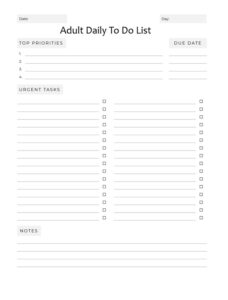
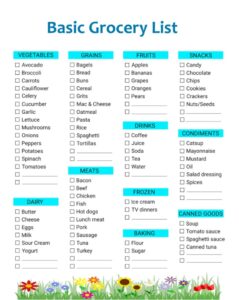
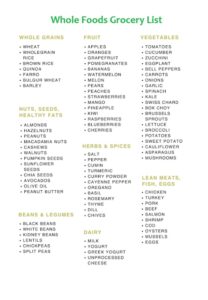
Starting a gluten free lifestyle can feel like navigating a maze without a map. Whether you are dealing with celiac disease or a personal sensitivity, the sudden need to scrutinize every single label is exhausting and time consuming. This is where a gluten free grocery list template comes in handy to save your sanity and your time at the store. Instead of wandering aimlessly through aisles hoping for the best, having a structured plan ensures you walk out with exactly what you need to stay healthy and satisfied. It simplifies the process and allows you to focus on finding high quality ingredients rather than stressing over what is safe to eat.
Most of us are used to grabbing whatever looks good on the shelf, but that habit changes quickly when gluten is off the table. A good template acts as a safety net, reminding you of the staples you cannot live without while keeping you away from the processed items that might contain hidden ingredients. It transforms a stressful chore into a streamlined process that fits perfectly into your weekly routine. By having your categories set in stone, you can easily spot where your favorites are and ensure you never run out of the basics that keep your kitchen running smoothly.
Organizing Your Shopping Trip for Success
One of the biggest challenges of shopping without gluten is the fear of cross contamination or accidentally buying something that looks safe but contains hidden wheat derivatives. When you organize your shopping list by department, you drastically reduce the chances of getting overwhelmed. You start in the produce section, move to the meats, and then hit the specialized aisles. This flow helps you stay focused on whole foods first, which are naturally gluten free and usually better for your budget. By the time you get to the middle aisles, your cart is already full of healthy options, making it easier to resist expensive or unhealthy processed snacks.
It is also important to remember that many items are naturally safe, so you do not always have to pay a premium for a special label. Fresh vegetables, fruits, eggs, and unprocessed meats are your best friends in this journey. By keeping these at the top of your list, you ensure that the bulk of your cart is filled with nutritious ingredients before you even reach the more expensive gluten free bread or cracker sections. Focusing on these whole foods not only helps your health but also keeps your grocery bill under control since specialty replacement items tend to cost much more than their standard counterparts.
Hidden gluten is a real problem in pre packaged sauces and seasonings. Many people forget that soy sauce, salad dressings, and even some frozen vegetable blends contain wheat based thickeners or malt flavorings. Having a section on your list specifically for condiments and pantry staples reminds you to check those labels every single time or stick to brands you already know and trust. Over time, you will memorize which brands are safe, but in the beginning, having that reminder on your list is vital for avoiding an accidental reaction that could set you back for days.
Finally, a well planned list helps you avoid the dreaded impulse buy. Gluten free snacks can be quite pricey, and it is easy to overspend when you are hungry and see a new cookie or chip variety that claims to be safe. If you stick to your pre written plan, you will manage your grocery budget much more effectively while still enjoying the treats you actually planned for. Using a list gives you the discipline to walk past the tempting displays and stay true to your nutritional goals and your financial limits.
- Naturally safe grains like rice, quinoa, buckwheat, and millet.
- Fresh produce including all fruits and vegetables in their natural state.
- Proteins such as fresh beef, poultry, seafood, eggs, and beans.
- Dairy and alternatives like plain milk, yogurt, cheese, and nut milks.
- Pantry essentials like olive oil, balsamic vinegar, and certified gluten free flour blends.
How to Make Your Template Work for Your Lifestyle
Everyone eats differently, so your gluten free grocery list template should be flexible enough to evolve with your tastes and dietary needs. Maybe you are also trying to eat low carb, or perhaps you have a house full of kids who need quick and easy snacks for school. Start with a basic framework and then add specific columns for different family members or specific meal types like breakfast, lunch, and dinner. This customization prevents the list from becoming a stagnant document that you eventually stop using and instead turns it into a living tool that grows with you.
Consider the difference between a weekly restock and a monthly bulk haul when you are setting up your routine. Some items like large bags of rice or multi packs of gluten free flour blends are much cheaper when bought in larger quantities. You can use your template to highlight which items are always in stock versus things you only buy when they are on sale. This strategic approach keeps your pantry full without breaking the bank every single week. It also means you always have the ingredients on hand to whip up a safe meal even on those nights when you are too tired to go to the store.
Technology can also play a huge role in how you manage your shopping and your list. While some people love the feeling of a pen and paper, others prefer a digital app that can be shared with a partner or roommate in real time. Whichever method you choose, the key is consistency and ease of use. Make it a habit to update your list as soon as you use the last of an ingredient so that you are never caught off guard when it is time to cook dinner. Having a shared list also means that if someone else goes to the store, they have a clear guide on exactly what brands and items are safe for you to consume.
Navigating the grocery store does not have to be a source of anxiety or frustration. With a little bit of preparation and the right tools, you can master the art of gluten free living without feeling like you are missing out on your favorite flavors. Taking the time to build a solid foundation with a repeatable list will pay off in the long run through better health, saved money, and significantly less stress during your weekly errands. It is all about creating a system that works for you rather than against you.
Remember that your dietary journey is unique to you and your body. Do not be afraid to experiment with new ingredients or swap out items as your cooking skills improve and your palate expands. As long as you stay organized and keep your health goals in mind, you will find that a gluten free lifestyle is not just manageable but actually quite delicious and rewarding. Happy shopping and enjoy the peace of mind that comes with being prepared for every meal of the week.