Embarking on a film project, whether it is a passion indie short or a sprawling commercial, is an incredibly exciting journey. The creative energy, the collaborative spirit, and the sheer magic of bringing a story to life on screen are truly unparalleled. However, beneath the glamour and artistic vision lies a crucial foundation of meticulous planning and organization, and nowhere is this more evident than in preparing your gear. That’s where a comprehensive film production equipment list template becomes an invaluable asset, ensuring you’re prepared for every shot and every challenge.
Forgetting a crucial piece of equipment can derail a shoot, lead to costly delays, or force creative compromises that diminish the final product. Imagine arriving on set only to realize you’ve left the essential lens filter, a vital audio cable, or even the memory cards for your camera. These oversights, small as they may seem, can quickly snowball into significant problems when time and resources are tight.
This guide aims to demystify the process of compiling your gear, offering insights into what you really need and how to organize it effectively. By understanding the various departments and their requirements, you will be able to construct a checklist that perfectly aligns with your project’s unique demands, saving you headaches and helping you focus on the art of filmmaking.
Crafting Your Essential Film Production Equipment List: A Deep Dive into Key Departments
Every film project is unique, and its equipment needs will vary drastically depending on the scale, style, and budget of your production. A micro-budget documentary shot on a single DSLR will naturally require a much simpler setup than a large-scale narrative film with multiple camera units and complex lighting rigs. Before you even think about checking off items, it is paramount to break down your script, create a shot list, and understand the visual and auditory language you aim to achieve. This foundational work will inform every decision about what gear to include in your film production equipment list template.
The Visual Storytellers: Camera and Lenses
At the heart of any visual production is, of course, the camera department. This section goes far beyond just a camera body. You’ll need to consider a range of lenses, from wide-angle for establishing shots to telephoto for intimate close-ups, and specialty lenses if your vision calls for them. Don’t forget essential accessories like spare batteries, chargers, ample memory cards, and a robust card reader. Monitoring solutions, such as external monitors for the director and focus puller, are vital for critical viewing, along with a matte box for filters and lens control, and a follow focus system for precise rack pulls.
Capturing the Soundscape: Audio Gear Essentials
Sound is often half the picture, yet it’s frequently overlooked in initial planning. A good audio setup involves more than just plugging in a mic. You’ll need a primary boom microphone for capturing dialogue from a distance, along with various lavalier microphones for individual talent. Don’t forget a multi-channel field recorder, a quality set of headphones for monitoring, and a comprehensive array of XLR cables. Wind protection (blimps and dead cats) is crucial for outdoor shoots, and a reliable boom pole and shock mount complete the basic package.
Shaping the Light: Illumination and Grip Equipment
Lighting sculpts the mood and guides the audience’s eye. Your lighting kit should include a variety of fixtures, such as versatile LED panels, powerful fresnels for focused beams, and softboxes or diffusers to shape and soften the light. Along with the lights, you’ll need sturdy light stands, C-stands, flags, and nets to control spills and shadows, and sandbags to secure everything safely. Dimmers and gels will give you even greater creative control over color and intensity.
Movement and Stability: Support Systems
Whether your shots are static and precise or fluid and dynamic, proper camera support is non-negotiable. A sturdy tripod with a fluid head is a fundamental requirement for stable shots. For dynamic movement, consider a slider for smooth tracking, a gimbal for stabilized handheld shots, or even a dolly for more elaborate cinematic glides. Jibs or cranes can add impressive aerial perspectives if your budget allows.
The Unsung Heroes: Production & Miscellaneous Gear
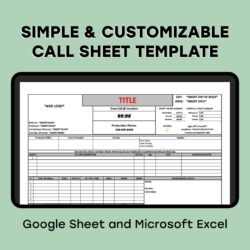
Beyond the core technical departments, there’s a myriad of production and miscellaneous items that ensure a smooth operation. This includes walkie-talkies for crew communication, first aid kits, fire extinguishers, production binders with scripts and call sheets, and a robust toolkit for on-the-fly repairs. Safety equipment like caution tape and proper signage is also critical, especially on location shoots. Don’t underestimate the power of power distribution: extension cords, power strips, and generators if you’re away from outlets.
Post-Production and Data Management
While not directly on set, planning for post-production is an essential part of your equipment strategy. This means having ample external hard drives for backing up footage, a powerful editing workstation, and the necessary software for editing, color grading, and sound mixing. Establishing a clear data wrangling workflow during pre-production will save countless hours and potential data loss issues later on.
Streamlining Your Pre-Production: Building a Functional Equipment Template
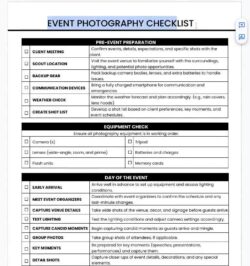
Having a clear and well-organized film production equipment list template is one of the best ways to ensure nothing is overlooked during the frantic pace of pre-production and the actual shoot. Instead of scrambling to remember every little piece, a template provides a systematic approach, allowing you to categorize items, delegate responsibilities, and track what has been sourced, rented, or purchased. It acts as a living document that can be shared and updated by the entire production team, fostering transparency and accountability.
To begin building your template, start by consulting your script breakdown and shot list. What specific visual and audio requirements emerge from these documents? Discuss needs with your department heads – the Director of Photography, Sound Mixer, Gaffer, and Grip – to ensure their expertise is incorporated. Then, break down your list into logical categories, much like the departments we explored above, making it easy to navigate and check off items.
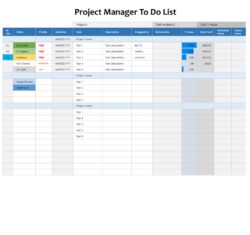
A robust template will also include columns for quantities needed, whether the item is owned, rented, or borrowed, who is responsible for it, and its current status. Don’t forget to include backup items or alternative solutions for critical gear, just in case something malfunctions or isn’t available. Regularly review and update your template as your project evolves, and always do a final physical check-in of all equipment before it leaves for set.
- Camera & Lenses
- Sound Recording
- Lighting & Electrical
- Grip & Support
- Production Management & Logistics
- Safety & Emergency
- Miscellaneous Tools & Consumables
- Data Management & Post-Production Prep
Preparing a detailed equipment list is much more than just a logistical chore; it’s a fundamental step in laying the groundwork for a successful and creatively fulfilling film production. It empowers you to approach your shoot with confidence, knowing that you have considered every angle and prepared for every eventuality, minimizing stress and maximizing your team’s efficiency.
Ultimately, the goal is to free up your mental energy and allow you to focus on the storytelling, the performances, and the creative collaboration that makes filmmaking so rewarding. By investing the time and effort into a thorough equipment plan, you are not just gathering gear; you are building the foundation for your cinematic vision to truly shine on screen.