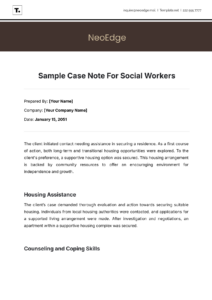
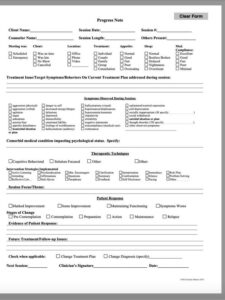
As a social worker, you know that keeping meticulous records isn’t just a good idea; it’s a fundamental part of ethical practice and effective client care. Navigating the complexities of client sessions, interventions, and progress while also ensuring compliance with various regulations can be a daunting task. That’s where a well-designed social work clinical note template becomes an invaluable tool, transforming a time-consuming chore into a streamlined process that supports both you and your clients.
The reality of social work often means balancing direct client interaction with a mountain of administrative tasks. From intake assessments to discharge summaries, each step requires accurate, detailed, and defensible documentation. Without a structured approach, notes can become inconsistent, incomplete, or difficult to retrieve, potentially leading to misunderstandings, compliance issues, or even jeopardizing client outcomes.
Adopting a robust template doesn’t just save time; it promotes a higher standard of care. It ensures that crucial information is consistently captured, facilitates clear communication among multidisciplinary teams, and provides a comprehensive record of the client’s journey. It’s about building a system that empowers you to focus more on people and less on paperwork, without ever compromising on professional standards.
The Essential Components of an Effective Clinical Note Template
Creating a clinical note that is both thorough and efficient requires a clear understanding of what information absolutely needs to be included. Think of your template as a guided pathway, ensuring you hit all the necessary checkpoints during and after each client interaction. It’s about more than just logging a session; it’s about crafting a narrative that accurately reflects the client’s experience and your professional interventions.
A strong template typically begins with administrative details. This section captures essential client demographics, such as name, date of birth, contact information, and client ID. It also includes the date and time of the session, the type of session (e.g., individual, family, group), and the names of all participants present. These foundational details ensure proper record-keeping and easy identification.
Next, you’ll want a dedicated space for subjective information. This is where you document the client’s presenting concerns in their own words, their reported feelings, and their perspective on their progress or challenges. Capturing direct quotes can be particularly powerful here, offering authentic insight into the client’s internal experience and ensuring their voice is central to their record.
Following the subjective data, the template should prompt you for objective observations. This section focuses on what you, as the social worker, observed during the session. This might include the client’s appearance, mood, affect, behavior, and any other observable cues that are relevant to their presenting issues. It’s crucial to stick to factual, non-judgmental observations here.
The assessment or analysis section is where you synthesize the subjective and objective information. Here, you document your clinical impressions, assess progress towards established goals, identify any new issues or risk factors, and provide a professional formulation of the client’s current status. This is where your clinical reasoning and expertise truly shine, connecting the dots between various pieces of information.
Finally, every effective note concludes with the plan. This outlines the next steps, including planned interventions for the current session or future sessions, referrals made, homework assigned to the client, and the date of the next scheduled appointment. A clear, actionable plan ensures continuity of care and guides both the client and the social worker forward.
Customizing and Implementing Your Template
While a general social work clinical note template provides an excellent foundation, the true power lies in its adaptability. Not all social work practices are identical, and what works for a school social worker might differ significantly from the needs of a clinician in a hospital setting or a private practice focusing on trauma. Recognizing these differences allows you to tailor your template to your specific caseload and practice environment.
Consider the unique demands of your specialization. For instance, a child welfare template might prioritize sections for parental involvement and safety plans, whereas a mental health template would lean more towards symptom tracking and diagnostic criteria. Think about the specific interventions you most commonly use and ensure there are dedicated spaces to document them effectively. Regularly reviewing your template against new regulations or evolving best practices ensures it remains relevant and compliant.
Implementing a new template, or refining an existing one, should be seen as an ongoing process rather than a one-time event. Train yourself and your team on its consistent use, collect feedback, and be open to making adjustments as you discover what works best in practice. This iterative approach ensures that your clinical notes are not just a bureaucratic requirement but a dynamic tool that genuinely enhances your professional efficiency and client care.
Embracing a systematic approach to documentation through a well-crafted template ultimately allows social workers to dedicate more energy to their primary purpose: serving clients. It transforms the often-dreaded task of note-taking into a powerful asset, ensuring every interaction is accurately captured, every intervention is thoughtfully recorded, and every client journey is meticulously documented.
Investing time in developing or selecting the right tools for your practice is an investment in your professional well-being and, more importantly, in the quality of care you provide. A structured note template isn’t just about ticking boxes; it’s about building a comprehensive, accessible, and legally sound record that supports therapeutic goals and stands as a testament to your dedication and expertise.