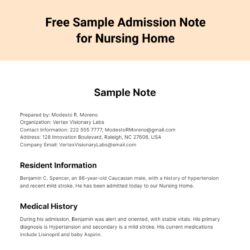
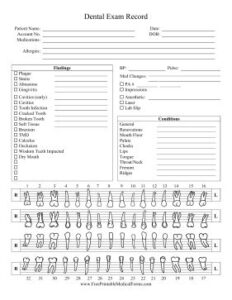
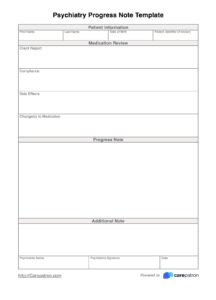
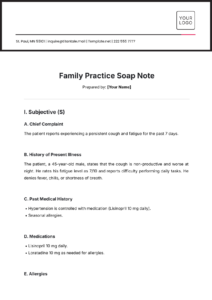
In the bustling environment of a nursing home, accurate and efficient documentation is not just a best practice, it’s a cornerstone of quality patient care. Physicians juggle multiple residents, complex medical histories, and ever-evolving care plans. Keeping track of every detail, every change, and every interaction can feel like an immense task, often taking away precious time that could be spent directly with residents.
This is where a well-designed nursing home physician progress note template becomes an invaluable tool. It transforms what could be a scattered and time-consuming process into a streamlined, comprehensive, and clear record of a resident’s journey. Imagine having a consistent framework that ensures all critical information is captured every single time, without fail.
Such a template isn’t just about ticking boxes; it’s about empowering physicians to provide superior care, communicate effectively with the care team, and maintain a robust record that benefits everyone involved in the resident’s well-being. Let’s explore why these templates are so essential and what makes an effective one.
Key Elements of an Effective Nursing Home Physician Progress Note Template
When crafting or choosing a nursing home physician progress note template, thinking about its structure is crucial. A good template acts as a guide, prompting the physician to consider all necessary aspects of the resident’s condition and care. It usually follows a logical flow, often adapting elements of the widely recognized SOAP (Subjective, Objective, Assessment, Plan) format, but tailored specifically for the long-term care setting.
The "Subjective" section is where the resident’s voice, or the observations from their direct caregivers, truly shines. This includes any complaints they might have, changes in their mood or behavior reported by staff, or new symptoms they express. It’s vital to capture these nuanced details as they often provide the first clues to underlying health issues. A template should prompt for specific inquiries, such as "Any new pain?" or "Changes in appetite or sleep?"
Moving on, the "Objective" section requires the physician’s clinical findings. This typically covers vital signs, physical examination results relevant to the resident’s complaints or chronic conditions, and review of recent lab work or imaging studies. It’s about presenting the measurable and observable facts. Think about sections for heart sounds, lung sounds, abdominal tenderness, skin integrity, and neurological status. The template should also have space to note if the resident participated in therapy or other activities.
The "Assessment" is where the physician’s expertise comes into play. Here, they synthesize the subjective and objective information to formulate a diagnosis or identify the core medical issues being addressed during that visit. It’s an opportunity to provide a concise summary of the resident’s current medical status and how their conditions are progressing or changing. This section also helps in tracking the effectiveness of ongoing treatments.
Finally, the "Plan" outlines the actions to be taken. This includes new orders for medications, changes in existing prescriptions, referrals to specialists, adjustments to the care plan, follow-up instructions, and any discussions with the resident or their family. This section is perhaps the most dynamic, detailing the next steps in the resident’s care journey. It ensures continuity and clarity for all members of the interdisciplinary team.
Essential Sections Beyond SOAP
While the SOAP framework provides an excellent foundation, a comprehensive template for nursing home physicians needs more. It should begin with clear demographic information to ensure the right resident’s chart is being updated. This includes the resident’s name, date of birth, medical record number, and room number. The date and time of the visit are also non-negotiable for accurate record-keeping. Furthermore, a space for the physician’s signature and printed name, along with their credentials, solidifies the document’s authenticity and accountability.
A well-designed template also has dedicated sections for:
- Reason for Visit/Chief Complaint: A brief statement of why the resident is being seen today.
- Medication Review: A quick check on current medications, ensuring no adverse effects or interactions.
- Advanced Directives Status: A reminder of the resident’s wishes regarding their care.
- Family Communication: Documenting discussions held with family members or legal guardians.
- Interdisciplinary Team Communication: Notes on coordination with nurses, therapists, social workers, etc.
Benefits of Utilizing a Standardized Nursing Home Physician Progress Note Template
The advantages of adopting a standardized nursing home physician progress note template extend far beyond mere compliance. It fundamentally enhances the efficiency and effectiveness of medical care delivery in long-term facilities. One of the primary benefits is the sheer amount of time saved. Physicians can quickly navigate through pre-defined fields, ensuring all necessary information is captured without having to invent the structure for each note. This consistency reduces cognitive load and allows more focus on the resident themselves.
Furthermore, a uniform template significantly improves communication among the entire care team. When every physician, nurse, and therapist understands where to find specific information within a resident’s chart, handoffs become smoother, and there is less room for misinterpretation. This clarity is paramount in a setting where multiple professionals contribute to a resident’s care, reducing the risk of errors and ensuring that care plans are executed consistently.
Finally, a structured template offers robust support for regulatory compliance and legal protection. In an environment heavily governed by regulations, a consistent documentation approach helps facilities meet auditing standards and demonstrate a high level of care. Should any legal questions arise, a clear, comprehensive, and consistently documented record provides invaluable evidence of the care provided, protecting both the physician and the facility.
Adopting a meticulously designed template transforms the daunting task of documentation into a structured, efficient, and highly effective process. It ensures that every critical detail of a resident’s health journey is captured, fostering better communication, enhancing care coordination, and ultimately improving outcomes for residents in long-term care settings.
By streamlining the documentation process, physicians can dedicate more quality time to their residents, building stronger relationships and providing more personalized care. This commitment to organized record-keeping not only supports the medical professionals but also uplifts the overall standard of care within the nursing home environment.