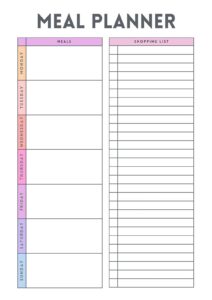
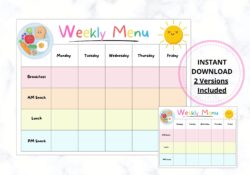
Ever find yourself staring blankly into the refrigerator at 5 PM, wondering what on earth to cook for dinner? That familiar feeling of mealtime dread can turn an otherwise peaceful evening into a scramble. Imagine, though, if you had a clear plan, a roadmap for your culinary journey throughout the weekdays. That’s exactly what a good dinner menu template for the week can offer you – a stress-free solution to daily meal planning dilemmas, transforming chaos into calm and giving you back precious time.
Beyond just saving you from last-minute panic, a well-thought-out weekly dinner plan brings a multitude of benefits to your kitchen and your lifestyle. It’s an incredibly effective tool for managing your grocery budget, as you only buy what you need for the meals you’ve scheduled. Moreover, it encourages healthier eating habits by allowing you to consciously incorporate a variety of nutritious ingredients and balance your meals across the week, moving away from repetitive, easy-but-unhealthy options.
This isn’t about rigid rules or gourmet cooking every night; it’s about smart organization and making dinnertime enjoyable again. Whether you’re a busy professional, a parent juggling multiple schedules, or simply someone looking to streamline their home life, developing a customizable template can be a game-changer. Let’s explore how you can create a practical and inspiring dinner menu that works seamlessly for your unique needs and tastes.
Crafting Your Ideal Weekly Dinner Menu
The secret to a successful weekly dinner menu lies in understanding your own rhythm and preferences. Before you even think about specific dishes, take a moment to consider your family’s dietary needs, allergies, and favorite cuisines. Think about your cooking skills and how much time you realistically have on different days of the week. Do you have more time to cook on a Tuesday evening compared to a frantic Monday? Are weekends for more elaborate meals or simple leftovers?
Once you have a clearer picture of your general availability and preferences, start brainstorming meal ideas. Don’t feel pressured to come up with seven brand new recipes every week. Instead, think about a rotation of tried-and-true favorites that everyone enjoys. You might have a go-to pasta dish, a quick stir-fry, or a comforting soup that can be easily adapted with different ingredients. This is about building a repertoire, not reinventing the wheel each time.
When you begin to plot out your week, consider thematic nights. This can be a fun way to add variety and make planning even easier. For example, “Meatless Monday” encourages plant-based meals, “Taco Tuesday” brings a bit of fiesta, or “Pasta Thursday” provides a reliable comfort food. Themes aren’t mandatory, but they can kickstart your imagination and prevent you from falling into a rut.
Think about incorporating strategies like batch cooking or meal prepping. If you’re making a big pot of chili on Sunday, plan to enjoy it again as leftovers on Monday or Tuesday, or freeze half for a busy night later in the month. Roasting a large tray of vegetables can provide sides for several meals. These small efforts on one day can dramatically reduce cooking time and effort on subsequent days.
Finally, remember that flexibility is key. Life happens, and sometimes plans change. Your template is a guide, not a strict dictator. If you find yourself too tired to cook what you planned, don’t feel guilty about ordering takeout or swapping in a simpler meal from later in the week. The goal is to reduce stress, not create more. A good template allows for those unexpected adjustments without derailing your entire week.
Tips for Success with Your Menu
- Involve your family in the planning process to ensure buy-in and address everyone’s preferences.
- Keep a running list of favorite meals to draw from when you’re feeling uninspired.
- Designate one “flex night” each week for leftovers, impromptu outings, or a simple pantry meal.
- When trying new recipes, plan them for a day when you have more time and less pressure.
- Always write out your grocery list based on your finalized menu before you head to the store.
Making Your Template Work for You
The real power of a dinner menu template for the week comes from its ability to be personalized and adapted to your evolving lifestyle. Don’t be afraid to experiment with different formats, whether it’s a simple handwritten list on the fridge, a digital spreadsheet, or a dedicated meal planning app. Find what resonates with you and your family, and what makes the process feel most intuitive and least like a chore. The more user-friendly your template is, the more likely you are to stick with it consistently, reaping its numerous rewards.
Remember to revisit and refine your template periodically. Seasons change, new recipes capture your interest, and dietary needs might shift. What worked perfectly in the summer might not be ideal for a chilly winter evening. By reviewing your plan every few weeks or months, you can keep your meals fresh and exciting, preventing menu fatigue. This ongoing engagement ensures your template remains a valuable, dynamic tool in your kitchen arsenal.
Embracing a weekly dinner menu template simplifies your life in ways you might not have imagined. From the moment you wake up, knowing what’s for dinner removes a layer of daily decision-making fatigue. You’ll spend less time stressing, less money on impulse buys, and more time enjoying delicious, home-cooked meals with your loved ones. It’s a small organizational step that yields significant benefits, bringing calm and structure to your mealtime routine.
Ultimately, taking the initiative to plan your meals proactively is one of the most impactful habits you can cultivate for a more organized and less stressful home life. It’s about being intentional with your time and resources, making sure that nourishing your family is a joyful experience rather than a daily struggle. Imagine having more energy for hobbies, family time, or simply relaxing, all because you’ve taken the guesswork out of dinner.
So, why not give it a try? Pick up a pen and paper, open a digital document, or explore some online tools, and start sketching out your very own dinner menu template for the week. You’ll likely discover that this simple act of planning transforms your evenings, brings greater harmony to your kitchen, and adds a delicious sense of predictability to your daily routine.