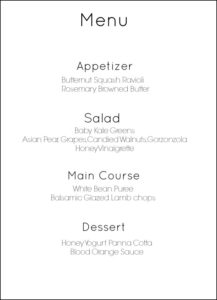
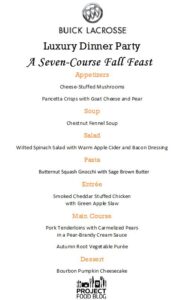
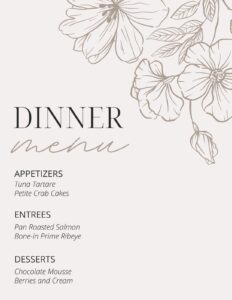
Planning a special dinner, whether for a romantic evening, a family gathering, or just to impress some friends, can be a delightful experience. However, the thought of orchestrating multiple dishes can sometimes feel a little overwhelming. This is where a fantastic 3 course dinner menu template comes in handy, streamlining your culinary vision and ensuring your meal flows perfectly from start to finish. It’s all about creating a harmonious dining experience that leaves your guests feeling satisfied and pampered, without you breaking a sweat in the kitchen.
You see, a well-structured menu isn’t just about the food itself; it’s about the entire dining journey. It helps you manage your time, balances flavors and textures, and ensures that each course complements the next, building anticipation and enjoyment. Imagine serving a light, refreshing appetizer, followed by a hearty and flavorful main, and finishing with a perfectly sweet or tart dessert – it’s a symphony for the taste buds!
So, let’s dive into how you can design a memorable three-course meal, offering practical tips and creative ideas to help you craft an unforgettable evening around the dinner table. We’ll explore the components of each course, discuss how to balance them, and even touch upon themes that can elevate your dining event.
Crafting Your Perfect 3 Course Dinner Menu
Creating a three-course meal is an art form, really. It’s about more than just picking three random dishes; it’s about crafting a narrative with food, ensuring each chapter leads seamlessly into the next. The key is balance – thinking about flavors, textures, cooking methods, and even colors, so that your guests experience a delightful progression throughout the meal. Don’t forget to consider any dietary restrictions or preferences your guests might have, ensuring everyone can enjoy your culinary efforts.
The Appetizer: Setting the Stage
The appetizer is your opening act, designed to awaken the palate and build excitement for what’s to come. It should be relatively light, flavorful, and ideally offer a contrast to your main course. Think about something that isn’t too filling, so guests still have plenty of room for the stars of the show.
- Examples: A crisp green salad with a light vinaigrette, a comforting soup (like a creamy tomato or a clear broth), bruschetta with fresh toppings, or individual shrimp cocktails. The idea is to stimulate the appetite, not sate it completely.
The Main Course: The Star of the Show
This is the heart of your meal, the dish that often dictates the entire theme and effort. Your main course should be substantial, satisfying, and delicious. When planning, consider the type of protein (meat, fish, vegetarian), the accompanying side dishes, and the cooking method. You want this course to be the highlight, so put some thought into flavors that are both comforting and exciting.
- Examples: A perfectly roasted chicken with seasonal vegetables, a rich beef bourguignon, pan-seared salmon with asparagus, or a hearty vegetarian lasagna. Ensure your sides complement the main without overpowering it, providing textural and flavor contrasts.
The Dessert: A Sweet Farewell
The dessert is your grand finale, leaving a lasting impression and a sweet memory of the evening. Depending on the richness of your main course, you might opt for something light and refreshing or something decadently indulgent. It’s the perfect opportunity to offer a sweet counterpoint to the savory dishes that preceded it.
- Examples: A vibrant fruit tart, a classic chocolate lava cake, a creamy panna cotta, or even a sophisticated cheese board for those who prefer savory over sweet. The goal is to end the meal on a high note, satisfying that craving for something sweet and delightful.
When planning these courses, always think about the overall flow and how they will interact. A heavy appetizer might necessitate a lighter main, and vice versa. This holistic approach is what transforms a simple meal into a memorable dining experience.
Theme Ideas and Practical Tips for Your Dinner
Embracing a theme for your dinner can significantly simplify the menu planning process and add an extra layer of enjoyment for both you and your guests. A theme provides a cohesive direction for your entire 3 course dinner menu template, from the dishes themselves to the table decor and even the music. It allows you to explore specific culinary traditions or simply focus on seasonal ingredients, making the entire event feel more intentional and special.
Consider themes like "Italian Trattoria Night" with antipasti, a rich pasta or meat dish, and tiramisu; or a "French Bistro" evening featuring a classic onion soup, coq au vin, and crème brûlée. For a more casual feel, a "Summer Garden Party" could inspire fresh salads, grilled chicken or fish, and berry parfaits. Or perhaps a "Comfort Food Classic" theme, bringing together nostalgic dishes that warm the soul.
Beyond the food, a few practical tips can make all the difference in pulling off a seamless three-course dinner:
- Do Ahead Prep: Identify components that can be prepared in advance – chopping vegetables, making sauces, or even fully preparing appetizers or desserts. This reduces stress on the day of the dinner.
- Balance the Workload: Try not to have all three courses requiring last-minute, complex cooking. If your main is elaborate, opt for simpler appetizers and desserts.
- Consider Drinks: Pair your meal with suitable beverages. Wine, cocktails, or even a special non-alcoholic drink can enhance the dining experience significantly.
- Presentation Matters: A beautifully set table and thoughtfully plated dishes elevate the entire experience. You eat with your eyes first, after all!
Ultimately, the goal is to create a delightful and stress-free dining experience. By leveraging a well-thought-out 3 course dinner menu template and incorporating these practical tips, you empower yourself to host with confidence and truly enjoy the company of your guests. It’s about making delicious food accessible and creating lasting memories around the table.
With a little planning and creativity, you can transform an ordinary meal into an extraordinary event. The joy of cooking and sharing food with loved ones is truly one of life’s great pleasures, and a structured approach simply makes it more achievable and enjoyable for everyone involved. So go ahead, unleash your inner chef and start designing that perfect culinary adventure!